10 Best 240 Hz Gaming Monitors 2026 in the United States

Related Products
Up to 21% off


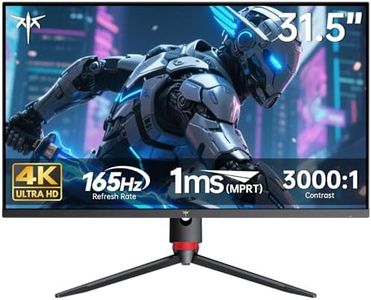
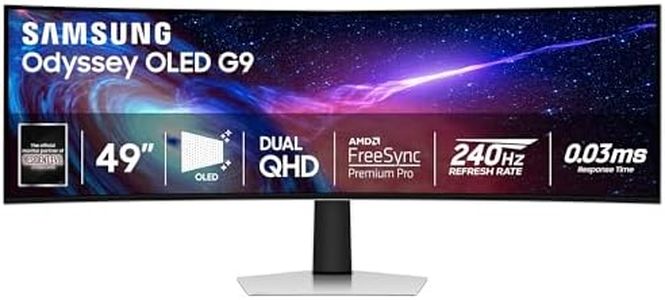
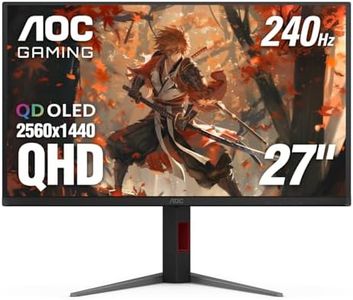
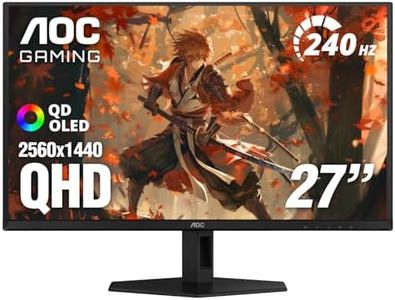
Our technology thoroughly searches through the online shopping world, reviewing hundreds of sites. We then process and analyze this information, updating in real-time to bring you the latest top-rated products. This way, you always get the best and most current options available.

Our Top Picks
Winner
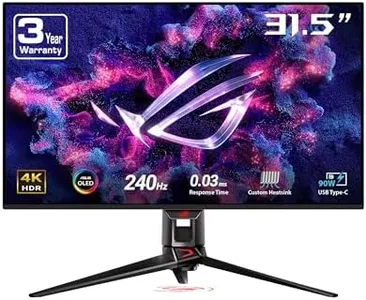
ASUS ROG Swift 32” 4K OLED Gaming Monitor (PG32UCDM) - UHD (3840 x 2160), QD-OLED, 240Hz, 0.03ms, G-SYNC Compatible, Custom Heatsink, Graphene Film, 99% DCI-P3, True 10-bit, 90W USB-C
Most important from
542 reviews
The ASUS ROG Swift 32” 4K OLED Gaming Monitor is a strong contender in the world of gaming monitors, especially for those who prioritize high resolution and fast performance. With a stunning 4K UHD resolution (3840 x 2160) and an impressive 240Hz refresh rate, it offers smooth and immersive gaming experiences that many gamers seek. Its 0.03 ms response time ensures minimal ghosting or lag, making it excellent for fast-paced action games.
One of the standout features of this monitor is its QD-OLED panel, which delivers vibrant colors and deep blacks, backed by a 99% DCI-P3 color gamut and True 10-bit support. This makes it great for both gaming and content creation, where color accuracy matters. The monitor also supports G-SYNC technology, which helps eliminate screen tearing for a more fluid visual experience.
In terms of design and usability, the monitor's custom heatsink and advanced cooling system significantly reduce the risk of burn-in, which is a common concern with OLED displays. The optional uniform brightness setting is a thoughtful addition that helps maintain consistent brightness across the screen. However, there are a few drawbacks to consider. Its size at 32 inches might be too large for some setups, especially if space is limited. Additionally, the monitor is somewhat heavy at 19.4 pounds, which may require a sturdy mount or desk. The price point might also be a concern, as high-end features like these generally come with a higher cost, making it an investment rather than a budget option.
Most important from
542 reviews
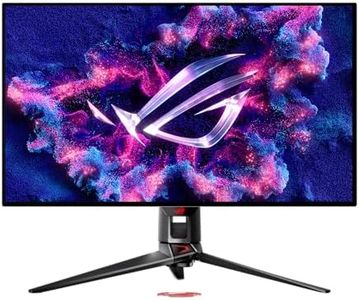
ASUS ROG Swift 32” 4K OLED Gaming Monitor (PG32UCDP) - WOLED, Dual Mode (4K 240Hz, FHD 480Hz), 0.03ms, G-SYNC Compatible, Custom Heatsink, AI Gaming, 99% DCI-P3,True 10-bit, USB-C 90W, 3yr Warranty
Most important from
267 reviews
The ASUS ROG Swift 32” 4K OLED Gaming Monitor (PG32UCDP) is designed for gamers who prioritize high performance and stunning visuals. With a dazzling 4K resolution and a high refresh rate of 240 Hz, this monitor delivers incredibly smooth gameplay. The response time is an impressive 0.03 ms, making it ideal for fast-paced gaming where every millisecond counts.
One of the standout features is its dual mode, allowing users to switch between 4K at 240 Hz and FHD at a remarkable 480 Hz, which can be particularly beneficial for competitive gamers who want the best performance. The monitor also integrates G-SYNC compatibility, which helps eliminate screen tearing and stuttering, providing a seamless experience.
The OLED panel technology offers vibrant colors, with a 99% DCI-P3 coverage ensuring that the images are eye-catching and true to life. The inclusion of ROG-exclusive Anti-flicker technology enhances visual comfort during prolonged gaming sessions. The AI Gaming features, including dynamic crosshair settings, can give players an extra edge in their gameplay.
Most important from
267 reviews
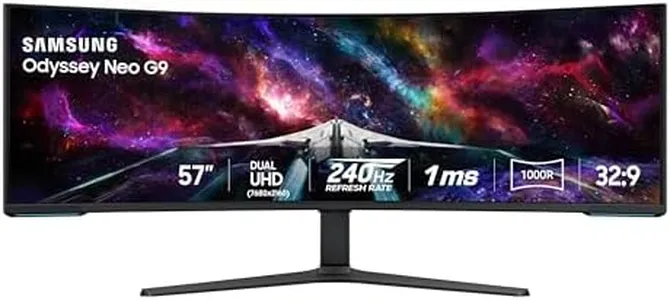
Samsung 57" Odyssey Neo G9 (G95NC) Series Dual 4K UHD 1000R Curved Gaming Monitor, 240Hz, 1ms with DisplayPort 2.1, Quantum Mini-LED, DisplayHDR 1000, AMD FreeSync Premium Pro, LS57CG952NNXZA
Most important from
512 reviews
The SAMSUNG 57" Odyssey Neo G9 Series is an impressive gaming monitor that stands out for its unique dual UHD resolution and expansive 57-inch curved screen. The 240 Hz refresh rate and 1 ms response time ensure smooth and fast-paced gaming, making it ideal for competitive gamers. The inclusion of AMD FreeSync Premium Pro technology further enhances the gaming experience by reducing screen tearing and stuttering during intense action scenes.
The Quantum Mini-LED technology combined with VESA DisplayHDR 1000 provides exceptional picture quality with deep blacks and vibrant colors, enhancing the immersive experience. The ergonomic stand allows for height, swivel, and tilt adjustments, ensuring comfort during long gaming sessions. Additionally, the multiple input options, including DisplayPort 2.1 and HDMI 2.1, make it versatile for various gaming setups.
However, the monitor's large size (57 inches) and hefty weight (41.9 pounds) may be a drawback for users with limited desk space or those who prefer lighter monitors. The price point might also be steep compared to other gaming monitors. Nonetheless, for gamers seeking top-tier performance and an immersive experience, this monitor is a strong contender.
Most important from
512 reviews
Buying Guide for the Best 240 Hz Gaming Monitors
Choosing the right gaming monitor can significantly enhance your gaming experience. A 240Hz gaming monitor is designed to provide smoother and more responsive gameplay, which is particularly beneficial for fast-paced games. When selecting a monitor, it's important to consider several key specifications to ensure it meets your needs and preferences.FAQ
Most Popular Categories Right Now


