10 Best Bird Cameras 2026 in the United States

Related Products
Up to 36% off
Our technology thoroughly searches through the online shopping world, reviewing hundreds of sites. We then process and analyze this information, updating in real-time to bring you the latest top-rated products. This way, you always get the best and most current options available.

Our Top Picks
Winner
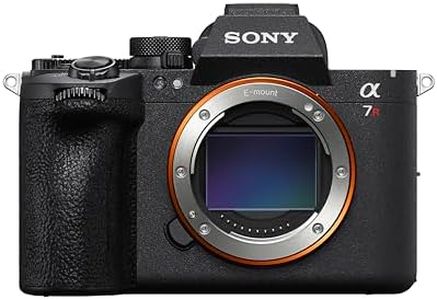
Sony Alpha 7R VI Full-Frame Mirrorless Interchangeable Lens Camera with a 66.8 MP Fully Stacked Sensor, Blackout-Free 30fps, AI Based Subject Recognition
Most important from
10 reviews
The Sony Alpha 7R VI is a high-end mirrorless camera that stands out for bird photography mainly due to its incredibly sharp 66.8 MP resolution, which captures fine details of birds even at a distance. It offers a blazing-fast burst mode of up to 30 frames per second with continuous autofocus and exposure tracking, making it excellent for capturing fast-moving birds without missing a moment. The camera’s AI-based subject recognition is a big plus, as it specifically improves tracking and focusing on birds, insects, and animals, which is very helpful when subjects move unpredictably.
Image stabilization is provided through sensor-shift technology, helping reduce blur caused by hand shake, which is useful when shooting handheld in the field. However, it is digital and sensor-based stabilization rather than optical in the lens, so it may not fully replace a steady tripod for extremely sharp shots at long zooms. Since this camera uses interchangeable lenses (Sony E/FE mount), the zoom capability depends on the lens you pair it with; the body itself doesn’t provide zoom but supports high-quality lenses that can offer the reach needed for bird photography.
Battery life is decent but not exceptional; mirrorless cameras generally consume more power than DSLRs, so carrying extra batteries is advisable for long outdoor sessions. The camera is relatively lightweight for a full-frame model at about 1.4 pounds, which helps with portability, though it is still bulkier compared to compact point-and-shoot options. Caution is advised in rainy or harsh environments unless additional protective gear is used. The articulating LCD screen aids in shooting from difficult angles, and connectivity options like Wi-Fi and Bluetooth help quickly share images. This camera is a powerful choice for serious bird photographers who want top-notch image quality, fast continuous shooting, and advanced AI tracking. To fully exploit its capabilities, investment in good telephoto lenses and extra batteries is recommended along with care in challenging weather conditions.
Most important from
10 reviews
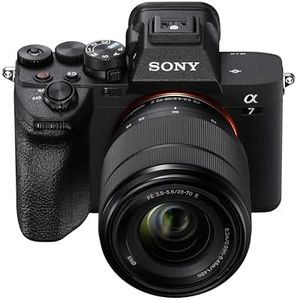
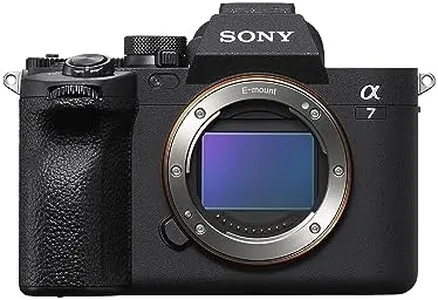
Sony Alpha 7 IV Full-Frame Mirrorless Interchangeable Lens Camera with 2026 28-70mm Zoom Lens Kit, Black
Most important from
18 reviews
The Sony Alpha 7 IV is a powerful full-frame mirrorless camera that offers excellent image quality with its 33MP sensor, which is great for capturing detailed bird photos. It comes with a 28-70mm zoom lens, which provides moderate zoom, but bird photographers who need longer reach might want to invest in a more powerful telephoto lens separately. The camera’s sensor-shift image stabilization helps reduce blur from hand movements, especially useful when shooting birds in nature without a tripod.
This model supports a decent burst mode at 10 frames per second, allowing you to capture fast bird movements. Battery life is average but should be sufficient for field sessions, and it includes two memory card slots, which is handy for extended shoots. The camera is weather-sealed, offering some protection against rain and dust—a vital feature for outdoor bird photography.
Weighing just over 2 pounds, it’s relatively portable for a full-frame camera but may feel a bit heavy for long hikes compared to smaller cameras designed specifically for birdwatching. The articulating screen and fast autofocus, including real-time Eye-AF for birds, are valuable for tracking and composing shots in challenging conditions. The Sony Alpha 7 IV suits bird photographers who want excellent image quality and reliable autofocus with decent zoom on a budget; however, if you need extreme zoom or a lighter, more compact setup, pairing it with longer lenses or considering smaller specialized cameras might be necessary.
Most important from
18 reviews
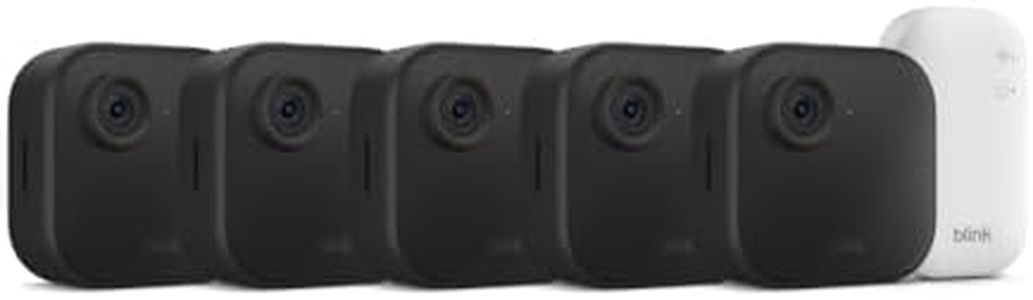
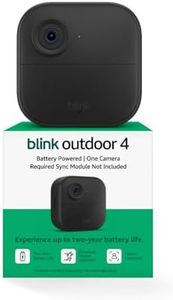
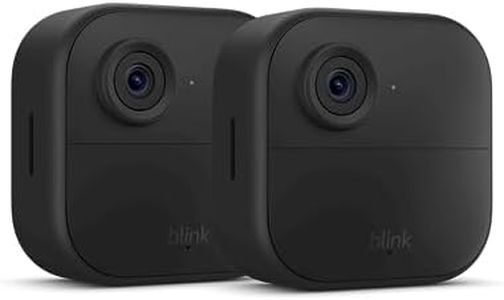
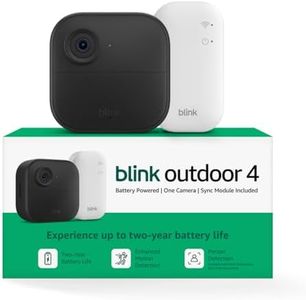
Blink Outdoor 4 – Wireless smart security camera, two-year battery life, 1080p HD day and infrared night live view, two-way talk. Sync Module Core included – 5 camera system
Most important from
30612 reviews
The Blink Outdoor 4 is a wireless security camera system designed primarily for outdoor monitoring, including bird watching if you want a broad view of your yard or garden. It offers clear 1080p HD video and a wide 143° field of view, providing good coverage, though it lacks zoom capabilities and image stabilization, which may limit close-up shots or steady zoomed-in video of birds. The camera excels in battery life, boasting up to two years on just two AA lithium batteries, meaning less hassle with frequent recharging or replacing batteries. It also features infrared night vision so you can watch activity even in the dark, making it useful for monitoring nocturnal wildlife. The device is weather-resistant and compact (only 5 oz), making it easy to install and suitable for outdoor use.
The Blink Outdoor 4 includes a burst mode for motion detection alerts and depends heavily on cloud storage, requiring a subscription after a free trial, as local storage options aren’t included by default. Two-way audio lets you listen and talk through the camera, which can be an additional benefit. This camera system is a solid choice for someone seeking a simple, dependable outdoor camera with long battery life and straightforward smartphone monitoring. However, if your main focus is detailed bird photography with zoom or image stabilization, other products designed specifically for that purpose may be more appropriate.
Most important from
30612 reviews
Buying Guide for the Best Bird Cameras
Choosing the right bird camera can greatly enhance your bird-watching experience, allowing you to capture stunning images and videos of birds in their natural habitat. When selecting a bird camera, it's important to consider several key specifications to ensure you get the best fit for your needs. Understanding these specs will help you make an informed decision and enjoy your bird-watching hobby to the fullest.FAQ
Most Popular Categories Right Now


