We Use CookiesWe use cookies to enhance the security, performance, functionality and for analytical and promotional activities. By continuing to browse this site you are agreeing to our privacy policy

10 Best Brisket Knives 2026 in the United States
How do we rank products for you?

Our technology thoroughly searches through the online shopping world, reviewing hundreds of sites. We then process and analyze this information, updating in real-time to bring you the latest top-rated products. This way, you always get the best and most current options available.

headphones-stars

Our Top Picks

#1

Winner

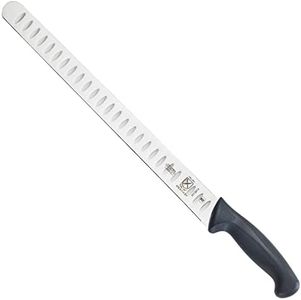
Mercer Culinary M23213 Millenia Black Handle, 12-Inch Wavy Edge, Brisket Knife

Rating
10.0
Chosen by1,167
Handle Material
Edge Type

Most important from
60 reviews

Handle Material
The grip is comfortable and good sized.
Edge Type
After many uses, it has retained a nice sharp edge.

The Mercer Culinary M23213 Millenia Brisket Knife is designed specifically for slicing brisket, making it a strong contender for anyone who enjoys cooking or catering meat. Its 12-inch blade length is ideal for achieving even slices, which is essential for serving brisket attractively. The serrated edge is particularly useful as it can glide through the meat without tearing, ensuring a clean cut every time.

One of the standout features is the high-quality Japanese steel used in the blade; it promises easy maintenance and quick sharpening. This means you can keep the knife sharp without much hassle, which is a significant advantage for regular use. Additionally, the raised textured handle provides a secure grip, enhancing comfort and safety during slicing, which is important when handling sharp tools.

There are a few considerations to keep in mind. While the serrated edge is great for brisket, it may not be as versatile for other types of cutting, like fine slicing for vegetables or other meats. The knife's weight and balance are adequate for most users, but some might find it a bit heavy for extended use, especially if they are not accustomed to larger knives. Another point to consider is that while the design minimizes damage to butcher blocks, it's still essential to handle it with care to maintain its longevity and performance. The limited lifetime warranty is a nice touch, offering some peace of mind regarding durability.

If you specifically need a brisket knife, the Mercer Culinary Millenia is an excellent choice with its slicing capabilities and comfortable grip. Just be aware that it might not perform as well for other kitchen tasks, and ensure you're comfortable with its weight for prolonged use.

Rating
10.0
Chosen by1,167
Handle Material
Edge Type

Most important from
60 reviews

Handle Material
The grip is comfortable and good sized.
Edge Type
After many uses, it has retained a nice sharp edge.
#2

Mercer Culinary M23112 Millennia Black Handle, 12-Inch Wavy Edge, Slicer

Rating
9.4
Blade Length
Edge Type
Weight and Balance

Most important from
1239 reviews

Blade Length
The 12-inch blade length is perfect for slicing brisket into even, thin slices with remarkable sharpness.
Edge Type
The serrated edge and double-sided bevel ensure clean, straight cuts without tearing delicate bread or meat.
Weight and Balance
Its lightweight and well-balanced design make it comfortable to use for extended slicing sessions.
Handle Material
The Santoprene handle provides a secure, comfortable grip, even when hands are wet, enhancing safety.

The Mercer Culinary M23112 Millennia is a 12-inch slicer designed with a high-carbon Japanese steel blade that stays sharp longer and resists dulling. Its 12-inch blade length is ideal for slicing brisket or other large cuts of meat evenly and thinly. The serrated (wavy) edge helps make clean cuts without tearing the meat, which is great for delicate slices. The blade is stamped, which usually means it’s lighter and a bit more flexible than forged blades, making it easier to handle for controlled slicing.

The handle is made from Santoprene, a soft, textured material providing a secure, comfortable grip even when your hands are wet, enhancing safety during use. Weighing only about 0.3 pounds, this knife is light and well-balanced, reducing fatigue during longer slicing sessions. One downside is that it’s not dishwasher safe, so it requires hand washing and careful drying to maintain its quality. Also, while the serrated edge is excellent for certain cuts, it may not be the best choice if you prefer super smooth slicing without any resistance.

This knife is a strong choice for both home cooks and professional chefs who want a reliable, easy-to-maintain slicer for brisket, ham, or turkey. Its ergonomic handle and sharp, durable blade make slicing tasks comfortable and efficient.

Rating
9.4
Blade Length
Edge Type
Weight and Balance

Most important from
1239 reviews

Blade Length
The 12-inch blade length is perfect for slicing brisket into even, thin slices with remarkable sharpness.
Edge Type
The serrated edge and double-sided bevel ensure clean, straight cuts without tearing delicate bread or meat.
Weight and Balance
Its lightweight and well-balanced design make it comfortable to use for extended slicing sessions.
Handle Material
The Santoprene handle provides a secure, comfortable grip, even when hands are wet, enhancing safety.
#3

Mercer Culinary M13914 Millennia Black Handle, 14-Inch, Slicer

Rating
9.4
Blade Flexibility
Handle Material
Edge Type

Most important from
9116 reviews

Blade Flexibility
Its thin blade offers just enough flexibility to slice through tender meats cleanly without tearing, resulting in even, precise cuts.
Handle Material
The Santoprene handle provides a comfortable, non-slip grip that feels secure during extended carving sessions.
Edge Type
The knife comes extremely sharp and maintains its edge well even after multiple uses, making it reliable for slicing beef roasts.
Weight and Balance
The knife is lightweight and well-balanced, reducing hand fatigue during use.

The Mercer Culinary M13914 Millennia slicer knife features a 14-inch high-carbon stainless steel blade that holds a sharp edge well, making it suitable for slicing brisket and other large cuts of meat. Its blade is stamped, meaning it is cut from a flat sheet rather than forged, which generally makes it lighter but may be less durable than forged blades. The blade is plain-edged and designed to provide clean, even slices, important for carving brisket to maintain texture and appearance.

The knife has a slightly flexible blade that helps when slicing through tender meats without tearing. The handle is made of Santoprene, a textured, rubber-like material that offers a comfortable, non-slip grip—important for safety and control during long carving sessions. Weighing about 0.45 pounds, the knife is fairly lightweight and balanced, reducing hand fatigue. It requires hand washing only and should never be put in a dishwasher, which calls for some care consideration.

This knife is suitable for home cooks and professionals who want a reliable, precise slicer for brisket and similar meats, though those seeking the heft and durability of a forged blade might want to explore other options.

Rating
9.4
Blade Flexibility
Handle Material
Edge Type

Most important from
9116 reviews

Blade Flexibility
Its thin blade offers just enough flexibility to slice through tender meats cleanly without tearing, resulting in even, precise cuts.
Handle Material
The Santoprene handle provides a comfortable, non-slip grip that feels secure during extended carving sessions.
Edge Type
The knife comes extremely sharp and maintains its edge well even after multiple uses, making it reliable for slicing beef roasts.
Weight and Balance
The knife is lightweight and well-balanced, reducing hand fatigue during use.

Buying Guide for the Best Brisket Knives

Choosing the right brisket knife is essential for achieving clean, precise cuts of meat, which can significantly impact the presentation and texture of your brisket. When selecting a brisket knife, it's important to consider several key specifications to ensure you get the best fit for your needs. Understanding these specs will help you make an informed decision and enhance your cooking experience.
Blade LengthBlade length is the measurement of the cutting edge of the knife. For brisket knives, a longer blade, typically between 10 to 14 inches, is preferred because it allows for smoother, more even slices of large cuts of meat. If you frequently cook large briskets, opt for a longer blade. For smaller cuts or if you have limited storage space, a shorter blade might be more practical.
Blade MaterialThe material of the blade affects the knife's durability, sharpness, and ease of maintenance. Common materials include stainless steel, high-carbon steel, and ceramic. Stainless steel is resistant to rust and easy to maintain, making it a popular choice. High-carbon steel is known for its sharpness and edge retention but requires more care to prevent rust. Ceramic blades are extremely sharp and lightweight but can be brittle. Choose a material based on your preference for maintenance and durability.
Blade FlexibilityBlade flexibility refers to how much the blade can bend without breaking. A more flexible blade can make it easier to maneuver around bones and joints, while a stiffer blade provides more control for straight cuts. If you prefer precise, straight cuts, a stiffer blade is ideal. For more versatile cutting, including trimming fat and working around bones, a more flexible blade might be better.
Handle MaterialThe handle material affects the knife's comfort, grip, and durability. Common handle materials include wood, plastic, and composite. Wood handles offer a traditional look and feel but may require more maintenance. Plastic handles are durable and easy to clean but may not provide the same level of grip. Composite handles combine the benefits of both wood and plastic, offering durability and a comfortable grip. Choose a handle material that feels comfortable in your hand and suits your maintenance preferences.
Edge TypeThe edge type of the knife determines how it cuts through meat. Brisket knives typically have either a straight edge or a serrated edge. A straight edge provides clean, smooth cuts and is easier to sharpen. A serrated edge can cut through tougher crusts and is less likely to tear the meat. If you prefer clean, precise slices, a straight edge is ideal. For cutting through tougher exteriors, a serrated edge might be more suitable.
Weight and BalanceThe weight and balance of the knife affect how it feels in your hand and how easy it is to control. A well-balanced knife with an appropriate weight for your strength and cutting style will reduce fatigue and improve precision. Heavier knives can provide more cutting power, while lighter knives are easier to maneuver. Test the knife in your hand to see if it feels comfortable and balanced for your cutting needs.

FAQ

Most Popular Categories Right Now