We Use CookiesWe use cookies to enhance the security, performance, functionality and for analytical and promotional activities. By continuing to browse this site you are agreeing to our privacy policy

10 Best Cameras For Beginners In Photography 2025 in the United States

How do we rank products for you?

Our technology thoroughly searches through the online shopping world, reviewing hundreds of sites. We then process and analyze this information, updating in real-time to bring you the latest top-rated products. This way, you always get the best and most current options available.

headphones-stars

Our Top Picks

#1

Winner

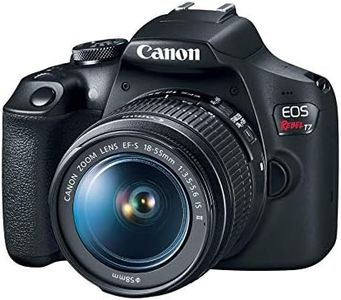
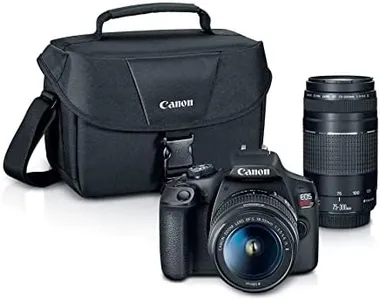
Canon EOS Rebel T7 DSLR Camera|2 Lens Kit with EF18-55mm + EF 75-300mm Lens, Black

Rating
10.0
Chosen by1,192
Sensor Size
Ease of Use
Lens Compatibility

Most important from
8246 reviews

Sensor Size
Delivers sharp, high-quality photos that look professional, even for beginners.
Ease of Use
Easy to use with intuitive controls, making the learning process straightforward and enjoyable.
Lens Compatibility
The versatile kit lens handles portraits, landscapes, and everyday shots effectively.
Connectivity
Built-in Wi-Fi and Bluetooth enable quick and convenient photo transfer to phones or computers.
Video Capabilities
Smooth performance with no noticeable lag, supporting both photography and video recording needs.

The Canon EOS Rebel T7 is a solid choice for beginners looking to step into DSLR photography. It features a 24.1-megapixel APS-C sensor, which is good for capturing detailed photos without overwhelming complexity. The camera comes with two versatile lenses (18-55mm and 75-300mm), covering a wide range of shooting situations from landscapes to distant subjects, making it great for learning different styles. Its autofocus system includes 9 points and uses phase detection, which works well for general photography but might struggle a bit with fast-moving subjects compared to more advanced models.

Ease of use is a highlight here, with intuitive shooting modes like Scene Intelligent Auto and Creative Auto, helping beginners get great shots without needing deep technical knowledge. The optical viewfinder offers a natural framing experience, though its 95% coverage means you might see slightly less than the full scene. For video, it records Full HD 1080p, which is sufficient for casual video needs but lacks 4K options found in newer cameras. Battery life allows for around 500 shots per charge, which should be enough for a day's shoot but may require spares for extended use.

Connectivity options include built-in Wi-Fi and NFC, enabling easy sharing and remote control via smartphone, which adds convenience for beginners. The camera also supports using EOS Utility Webcam Beta software, turning it into a decent webcam. On the downside, continuous shooting speed is modest at 3 frames per second, and the autofocus system, while reliable, is not as fast or sophisticated as some competitors, which could affect action shots. The rear LCD screen is fixed and has a basic resolution, limiting flexibility for shooting at tricky angles. This Canon EOS Rebel T7 kit balances quality, ease of use, and versatility, making it a practical entry-level DSLR for new photographers wanting to explore both photography and video without overwhelming complexity.

Rating
10.0
Chosen by1,192
Sensor Size
Ease of Use
Lens Compatibility

Most important from
8246 reviews

Sensor Size
Delivers sharp, high-quality photos that look professional, even for beginners.
Ease of Use
Easy to use with intuitive controls, making the learning process straightforward and enjoyable.
Lens Compatibility
The versatile kit lens handles portraits, landscapes, and everyday shots effectively.
Connectivity
Built-in Wi-Fi and Bluetooth enable quick and convenient photo transfer to phones or computers.
Video Capabilities
Smooth performance with no noticeable lag, supporting both photography and video recording needs.
#2

Nikon D7500 20.9MP DSLR Camera with AF-S DX NIKKOR 18-140mm f/3.5-5.6G ED VR Lens, Black

Rating
10.0
Megapixels
Lens Compatibility
Autofocus System

Most important from
1700 reviews

Megapixels
It represents a meaningful upgrade from older Nikon models, offering higher megapixels and better ISO range suitable for starting a photography business.
Lens Compatibility
The 18-140mm lens offers excellent zoom flexibility, allowing seamless switching between wide and close-up shots without missing key moments.
Autofocus System
Fast autofocus combined with the ability to quickly switch to manual focus on the lens itself reduces the risk of missing important shots.
Connectivity
The camera’s connectivity features, like easy photo transfer to a phone via the app, simplify sharing and remote control.

The Nikon D7500 is a strong contender for beginners stepping into serious photography. It features a 20.9MP APS-C sensor, which is good for capturing detailed images without overwhelming file sizes. The included 18-140mm lens covers a versatile zoom range, making it easy to shoot landscapes, portraits, and close-ups without needing extra lenses right away. Its autofocus system is quite advanced for a beginner camera, with 51 focus points and eye detection to help keep subjects sharp, which is great for learning and improving skills.

The camera also offers a large, tilting 3.2-inch touchscreen that simplifies navigating menus and framing shots from different angles. Video capabilities include 4K UHD recording, which is a nice bonus for those interested in videography, along with useful features like time-lapse and stereo sound. Battery life is decent, allowing for extended shooting sessions without frequent recharges. Connectivity options such as Wi-Fi and Bluetooth make it straightforward to transfer photos and control the camera remotely, which can be handy for sharing images quickly or shooting in creative setups.

On the downside, the Nikon D7500 is a DSLR, so it’s bulkier and heavier compared to mirrorless cameras, which might be a consideration if you want something lighter to carry around all day. Also, it has only one memory card slot, which means less backup flexibility. Its lens aperture range (f/3.5-5.6) isn’t the brightest, so low-light shooting might require higher ISO settings, potentially introducing noise in photos. The Nikon D7500 delivers excellent image quality, reliable autofocus, and helpful features that can grow with a beginner photographer’s skills, though its size and some limitations might make it less ideal for those wanting the lightest or simplest setup.

Rating
10.0
Megapixels
Lens Compatibility
Autofocus System

Most important from
1700 reviews

Megapixels
It represents a meaningful upgrade from older Nikon models, offering higher megapixels and better ISO range suitable for starting a photography business.
Lens Compatibility
The 18-140mm lens offers excellent zoom flexibility, allowing seamless switching between wide and close-up shots without missing key moments.
Autofocus System
Fast autofocus combined with the ability to quickly switch to manual focus on the lens itself reduces the risk of missing important shots.
Connectivity
The camera’s connectivity features, like easy photo transfer to a phone via the app, simplify sharing and remote control.
#3

Sony Alpha 7 IV Full-frame Mirrorless Interchangeable Lens Camera with 28-70mm Zoom Lens Kit

Rating
9.7
Sensor Size
Megapixels
Lens Compatibility

Most important from
1070 reviews

Sensor Size
The 33MP full-frame sensor produces sharp, vibrant images with excellent dynamic range, performing impressively even in low-light conditions.
Megapixels
The 33MP full-frame sensor produces sharp, vibrant images with excellent dynamic range, performing impressively even in low-light conditions.
Lens Compatibility
The included 28-70mm lens is versatile and suitable for general photography, though upgrading to higher-end lenses is recommended to unlock full potential.
Ease of Use
This camera offers a strong balance of professional features and ease of use, making it a valuable tool for beginners aiming to grow their photography and videography skills.
Autofocus System
The autofocus system is exceptionally fast and accurate, with advanced eye detection that makes capturing portraits and action shots effortless.
Video Capabilities
Video capabilities are outstanding, offering smooth 4K 60p footage with professional-grade color depth and effective image stabilization.

The Sony Alpha 7 IV is a powerful full-frame mirrorless camera that offers excellent image quality with its 33MP sensor, making it suitable for beginners who want to grow their skills. Its 759-point autofocus system is highly advanced, helping users capture sharp images easily, which is great for those still learning focusing techniques. The included 28-70mm lens covers a versatile zoom range, useful for many everyday shooting situations. Video capabilities are impressive too, supporting 4K footage at 60 frames per second with rich color profiles, appealing to users interested in both photography and videography.

While the camera is feature-rich, it might feel a bit overwhelming at first due to its professional-level settings and numerous options. However, the intuitive touchscreen and electronic viewfinder help ease the learning curve. Battery life is strong, rated for about 110 hours, meaning you can shoot for long periods without worrying too much about recharging. Connectivity options like Wi-Fi and Bluetooth let you share images easily with other devices.

The camera weighs close to 1 kg, which might be heavy for some beginners looking for a lightweight option. Also, it comes with a relatively modest kit lens that may limit creativity until you invest in additional lenses. This makes the Sony Alpha 7 IV a great choice for beginners who want a camera that can serve both as a learning tool and a long-term companion, offering professional features that support growth without compromising on ease of use.

Rating
9.7
Sensor Size
Megapixels
Lens Compatibility

Most important from
1070 reviews

Sensor Size
The 33MP full-frame sensor produces sharp, vibrant images with excellent dynamic range, performing impressively even in low-light conditions.
Megapixels
The 33MP full-frame sensor produces sharp, vibrant images with excellent dynamic range, performing impressively even in low-light conditions.
Lens Compatibility
The included 28-70mm lens is versatile and suitable for general photography, though upgrading to higher-end lenses is recommended to unlock full potential.
Ease of Use
This camera offers a strong balance of professional features and ease of use, making it a valuable tool for beginners aiming to grow their photography and videography skills.
Autofocus System
The autofocus system is exceptionally fast and accurate, with advanced eye detection that makes capturing portraits and action shots effortless.
Video Capabilities
Video capabilities are outstanding, offering smooth 4K 60p footage with professional-grade color depth and effective image stabilization.

Buying Guide for the Best Cameras For Beginners In Photography

Choosing the right camera as a beginner in photography can be an exciting yet overwhelming experience. The key is to find a camera that balances ease of use with the ability to grow as your skills improve. Here are some important specifications to consider when selecting a camera, along with explanations to help you understand their significance and how to choose the best fit for your needs.
Sensor SizeThe sensor size in a camera determines the quality of the images it can produce. Larger sensors generally capture more light and detail, resulting in better image quality, especially in low light conditions. Common sensor sizes include Full Frame, APS-C, and Micro Four Thirds. Full Frame sensors are the largest and offer the best image quality, but they are also more expensive and bulkier. APS-C sensors are smaller but still provide excellent image quality and are more affordable and compact. Micro Four Thirds sensors are even smaller, making the cameras lighter and more portable, but with slightly less image quality. As a beginner, an APS-C sensor is often a good balance between quality, size, and cost.
MegapixelsMegapixels refer to the resolution of the camera's sensor, indicating how many millions of pixels the sensor can capture. Higher megapixels mean more detail in your photos, which is useful for large prints or cropping images without losing quality. However, for most beginners, a camera with 16-24 megapixels is more than sufficient. This range provides a good balance between image quality and file size, making it easier to manage and edit your photos.
Lens CompatibilityLens compatibility is crucial because it determines the variety of lenses you can use with your camera. Interchangeable lens cameras, such as DSLRs and mirrorless cameras, offer the flexibility to switch lenses based on your photography needs. As a beginner, look for a camera with a wide range of compatible lenses, so you can experiment with different types of photography, from landscapes to portraits. It's also helpful to choose a camera brand with a strong ecosystem of lenses and accessories.
Ease of UseEase of use is important for beginners who are still learning the basics of photography. Look for a camera with intuitive controls, a user-friendly interface, and helpful features like guided modes or tutorials. Cameras with touchscreen interfaces can be easier to navigate, and those with built-in guides can help you understand different settings and modes. The goal is to find a camera that doesn't overwhelm you with complexity but still offers room to grow as you learn.
Autofocus SystemThe autofocus system determines how quickly and accurately the camera can focus on a subject. A good autofocus system is essential for capturing sharp images, especially in fast-moving or dynamic situations. Cameras with more autofocus points and advanced tracking features will generally perform better. For beginners, a camera with a reliable and easy-to-use autofocus system will help you capture clear and sharp images without much hassle.
Video CapabilitiesVideo capabilities are important if you plan to shoot videos in addition to still photos. Look for a camera that can record in at least Full HD (1080p) resolution, though 4K resolution is becoming more common and offers higher quality. Consider features like frame rates, in-body stabilization, and microphone inputs if you want to create high-quality videos. As a beginner, having good video capabilities can add versatility to your camera and allow you to explore different creative avenues.
Battery LifeBattery life is an important consideration, especially if you plan to use your camera for extended periods or while traveling. Cameras with longer battery life will allow you to shoot more without needing to recharge or carry extra batteries. Check the estimated number of shots per charge, and consider your typical usage patterns. For beginners, a camera with decent battery life will ensure you can focus on learning and capturing moments without frequent interruptions.
ConnectivityConnectivity features, such as Wi-Fi, Bluetooth, and NFC, allow you to easily transfer photos and videos to your smartphone or computer. This can be useful for quickly sharing your work on social media or backing up your files. Some cameras also offer remote control features via a smartphone app, which can be handy for group shots or long exposures. As a beginner, having good connectivity options can make it easier to manage and share your photos.

FAQ

Most Popular Categories Right Now