10 Best 4 K Projector Screens 2026 in the United States
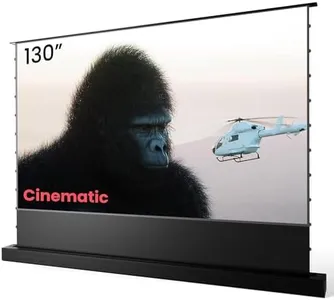

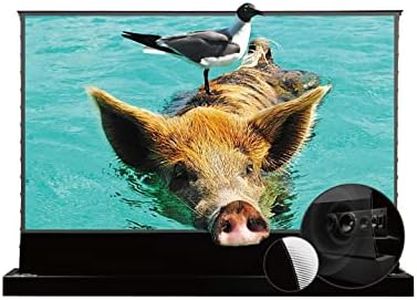

Related Products


Recommended lists

Projector Screens
Our technology thoroughly searches through the online shopping world, reviewing hundreds of sites. We then process and analyze this information, updating in real-time to bring you the latest top-rated products. This way, you always get the best and most current options available.

Our Top Picks
Winner
VIVIDSTORM UST ALR Projector Screen with Tensioned Flat Surface, 4K/8K HDR Ready, Smart Control via App and Remote, Wide Viewing Angle, Quiet Motorized Operation,VSDSTUST120HP
Most important from
17 reviews
The VIVIDSTORM UST ALR Projector Screen is designed specifically for ultra short throw (UST) laser projectors, offering a sharp and clear 120-inch display with a 16:9 aspect ratio, ideal for most home theater setups. Its lenticular ALR (Ambient Light Rejecting) material with a 0.6 gain effectively boosts contrast and reduces glare, making it a strong choice for brighter rooms where controlling ambient light is important. The tensioned surface ensures the screen remains flat, avoiding image distortion over time, which is great for maintaining picture quality.
A standout feature is the motorized operation that supports remote, wired triggers, and app control, allowing for easy and quiet deployment without manual handling. The floor mount design is space-efficient and looks modern, available in black or white to fit different room styles. The screen weighs over 68 pounds, so it may require careful setup, and some users might find the price higher than basic fixed screens.
While the 0.6 gain balances brightness and contrast well, it might not be bright enough in extremely well-lit environments compared to higher gain screens. For those seeking a high-quality, motorized screen tailored for UST projectors with smart features and good ambient light rejection, this model is a strong option.
Most important from
17 reviews
VIVIDSTORM Motorized Floor Rising UST ALR Projector Screen for Home Theater, Tensioned Wrinkle-Free Surface, Smart App and Voice Control, No Wall Mount Needed,VSDSTUST120H
Most important from
66 reviews
The VIVIDSTORM Motorized Floor Rising UST ALR Projector Screen is designed specifically for ultra-short throw (UST) laser projectors, making it a strong choice if you have that type of projector. It offers a large 120-inch diagonal screen with a 16:9 aspect ratio, which is ideal for watching movies and TV shows in high resolution, including 4K and 8K. The screen material is specially designed with an optical sawtooth structure and ambient light rejecting (ALR) filter, which helps block ceiling light and maintain bright, vivid images even in rooms that aren't fully dark. This means you can enjoy a clearer, more colorful picture without needing a completely dark space.
The screen gain is 0.6, providing a good balance of brightness and contrast for most home theater setups, and it supports a wide 160-degree viewing angle so the image looks good from different seats in the room. One of the standout features is the motorized floor-rising design—there’s no need to mount it on a wall or ceiling. It rises smoothly from the floor, and when not in use, it retracts neatly, saving space and keeping your room tidy. Setup is very simple, requiring just plugging in the power cord and no screws, which is great if you want something quick and hassle-free.
This screen is heavy (about 34 kg), so moving it around frequently might be difficult. It’s not compatible with projectors that are ceiling-mounted or non-UST types, which limits flexibility if you plan to change your projector later. The black aluminum housing provides a sleek look and protects the screen, and it comes with a 2-year warranty for peace of mind. This projector screen is ideal for users with ultra-short throw laser projectors who want a large, high-quality image in rooms with some ambient light, along with a space-saving, motorized setup that requires no permanent installation.
Most important from
66 reviews
VIVIDSTORM S PRO Motorized Tension Floor Rising Projector Screen 100-inch | Home Cinema Setup |Black housing,VSDSTUST100H
Most important from
19 reviews
The VIVIDSTORM S PRO is a 100-inch motorized floor-rising projector screen designed mainly for ultra-short throw (UST) laser projectors. Its 16:9 aspect ratio fits perfectly with 4K content, making it a solid choice for home cinema enthusiasts who want large, sharp images. The screen uses a special ALR (Ambient Light Rejecting) material with a unique optical sawtooth structure, which helps block ceiling light and enhances picture brightness and contrast even in rooms that aren’t completely dark. This means you can enjoy vivid colors and clear images without needing a pitch-black environment.
The 0.6 gain and wide 170-degree viewing angle ensure that the image stays bright and consistent from different seating positions. The motorized floor mount design is convenient and space-saving—you simply plug it in and the screen rises smoothly without any installation hassle or screws. When not in use, it retracts fully into the floor, keeping your room tidy.
A limitation is that this screen is only compatible with UST laser projectors and cannot be used with ceiling-mounted projectors, which restricts flexibility if you have other projector types. It is also quite heavy (over 60 pounds), so it’s better suited for a dedicated home theater space where it can stay put. Backed by a 2-year warranty and support from a reputable manufacturer, the VIVIDSTORM S PRO delivers impressive performance and ease of use for those with UST laser projectors seeking a large, high-quality 4K viewing experience in well-lit rooms.
Most important from
19 reviews
Buying Guide for the Best 4 K Projector Screens
Choosing the right 4K projector screen can significantly enhance your viewing experience, whether it's for home theater, business presentations, or gaming. The key is to understand the various specifications and how they align with your specific needs. By focusing on the right specs, you can ensure that you get the best performance and value from your projector screen.FAQ
Most Popular Categories Right Now


