10 Best Emf Meters 2026 in the United States
Related Products
Up to 15% off
Recommended lists

Ph Meters
Our technology thoroughly searches through the online shopping world, reviewing hundreds of sites. We then process and analyze this information, updating in real-time to bring you the latest top-rated products. This way, you always get the best and most current options available.

Our Top Picks
Winner
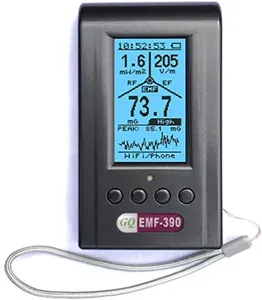
EMF Meter,Advanced GQ EMF-390 Multi-Field Electromagnetic Radiation 3-in-1 EMF ELF RF meter, 5G Cell Tower Smart meter Wifi Signal Detector RF up to 10GHz with Data Logger and 2.5Ghz Spectrum Analyzer
Most important from
3297 reviews
The GQ EMF-390 Multi-Field Electromagnetic Radiation Meter is a solid choice for anyone interested in measuring electromagnetic fields, especially with its capability to detect frequencies up to 10GHz, including 5G signals. Users looking for a reliable way to monitor sources like power lines, smart meters, and microwaves will appreciate the multiple high-sensitivity sensors it offers. The built-in RF spectrum analyzer and real-time monitoring features add to its utility, making it a valuable tool for individuals concerned about radiation exposure in their environment.
One of the standout strengths of this device is its user-friendly display, which provides safety suggestions and clear readouts, helping users quickly understand the current EMF situation. Its portability is also a plus, weighing just 10 ounces and operating on battery power, making it easy to carry around.
There are some drawbacks to consider. While the meter is designed for tabletop use, this limits its versatility in different settings. The need for a specific battery type (LR44) could be a minor inconvenience, especially since it doesn’t come with batteries included. Additionally, although it ranks well in its category, potential buyers should be aware that the features may not be as comprehensive as those found in more expensive models available on the market.
Most important from
3297 reviews
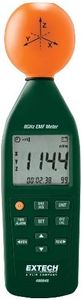
Extech 480846 Electromagnetic 8GHz RF Field Strength Meter
Most important from
9 reviews
The Extech 480846 RF Field Strength Meter is designed to detect electromagnetic fields in a wide frequency range from 10 MHz up to 8 GHz, making it suitable for measuring high-frequency sources like mobile phone antennas and Wi-Fi signals. Its ±2.0 dB accuracy is decent for general monitoring, allowing you to get a reliable sense of radio frequency (RF) power levels. The meter’s focus on RF measurement means it’s best for users needing to check wireless device emissions rather than a broad range of EMF types.
The product is portable and lightweight, which is convenient for spot checks or on-site measurements, and it comes with a protective case and included batteries. However, the meter lacks advanced features like data logging, connectivity for transferring readings, or a detailed digital display, which might limit its use for those who want to track or analyze data over time. Its analog or simple readout also means it’s more suited for quick assessments rather than precise scientific analysis.
This meter serves as a solid choice if you need a straightforward tool for detecting RF fields in the specified frequency range without extra bells and whistles, especially for casual or entry-level use.
Most important from
9 reviews
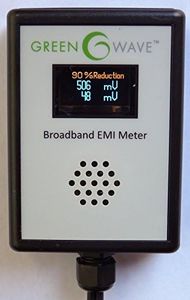
Greenwave Broadband EMI Dirty Electricity Meter
The Greenwave Broadband EMI Dirty Electricity Meter is designed specifically to measure dirty electricity—also known as electrical noise or power line EMI—that can be present on home or office wiring. It covers a wide frequency range from about 3 kHz to 10 MHz, which is suitable for detecting most common dirty electricity signals. The device is very easy to use: you simply plug it into an outlet to get immediate readings, making it convenient for quick checks without needing technical setup. A standout feature is its built-in audio function, allowing users to actually hear the changes in electrical noise as filters are added, which can help in understanding and reducing EMI levels.
This meter focuses exclusively on dirty electricity and does not measure other types of EMF like magnetic or radio frequencies, so it’s best if you are mainly concerned about power line interference. The meter does not offer data logging or connectivity options, so you cannot track or download measurements over time. It is lightweight and small enough to carry around easily, but requires an electrical outlet to operate, limiting where you can use it.
The build quality appears solid for regular indoor use but it’s not designed for rugged conditions or outdoor testing. This meter is a straightforward and user-friendly tool for homeowners or professionals looking to identify and reduce dirty electricity problems, but those wanting a more versatile EMF meter with broader measurement types or advanced features might need to look elsewhere.
Buying Guide for the Best Emf Meters
When choosing an EMF (Electromagnetic Field) meter, it's important to understand the key specifications and features that will help you find the best fit for your needs. EMF meters are used to measure electromagnetic fields, which can be emitted by various electronic devices and power lines. Knowing what to look for in an EMF meter will ensure you get accurate readings and the functionality you need for your specific application, whether it's for personal safety, professional use, or scientific research.FAQ
Most Popular Categories Right Now


