We Use CookiesWe use cookies to enhance the security, performance, functionality and for analytical and promotional activities. By continuing to browse this site you are agreeing to our privacy policy

10 Best Backpacking Sleeping Bag 2025 in the United States

How do we rank products for you?

Our technology thoroughly searches through the online shopping world, reviewing hundreds of sites. We then process and analyze this information, updating in real-time to bring you the latest top-rated products. This way, you always get the best and most current options available.

headphones-stars

Our Top Picks

#1

Winner

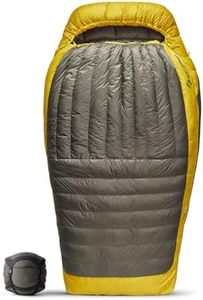
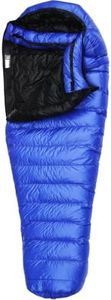
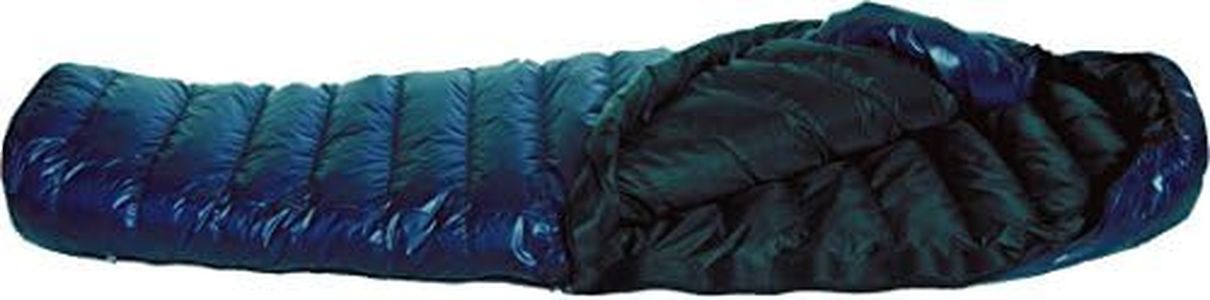
Western Mountaineering Kodiak LZ Microfiber Sleeping Bag - 6'0

Rating
10.0
Chosen by1,415
Shell Material
Insulation Type
Temperature Rating

Most important from
9 reviews

Shell Material
The microfiber shell effectively contains down without any leakage, even after extensive use.
Insulation Type
The loft is outstanding, providing exceptional insulation that kept the user comfortably warm in freezing temperatures.
Temperature Rating
This sleeping bag excels in winter camping, offering reliable warmth even in subfreezing conditions.

The Western Mountaineering Kodiak LZ Microfiber Sleeping Bag is designed for backpackers who need reliable warmth and comfort in cold conditions. It has a 0°F temperature rating, making it suitable for late fall to winter camping or mountaineering in chilly environments. Filled with high-quality goose down and featuring 5 1/4-inch spacing continuous baffles, it offers excellent insulation and an effective down fill distribution that prevents cold spots. The mummy shape helps retain heat efficiently and fits snugly around the body, which is a plus for colder weather use. Weighing about 2 lbs. 12 oz., it is relatively lightweight for a sleeping bag with this temperature rating, but it is not the lightest option available, so ultralight backpackers might find it a bit heavy. The outer shell is made from polyester taffeta, providing decent durability and some resistance to moisture, though it’s not fully waterproof.

Packability is good given the down insulation, but it might take up a bit more space compared to synthetic bags with similar ratings. Its full down collar and 7-inch loft add to the warmth and comfort by reducing heat loss around the neck and shoulders. This sleeping bag is a great fit for backpackers and mountaineers who prioritize warmth, comfort, and quality materials over ultralight weight or ultra-compact size. If you need a bag primarily for summer or mild weather or extremely tight packing, lighter synthetic options might suit those needs better.

Rating
10.0
Chosen by1,415
Shell Material
Insulation Type
Temperature Rating

Most important from
9 reviews

Shell Material
The microfiber shell effectively contains down without any leakage, even after extensive use.
Insulation Type
The loft is outstanding, providing exceptional insulation that kept the user comfortably warm in freezing temperatures.
Temperature Rating
This sleeping bag excels in winter camping, offering reliable warmth even in subfreezing conditions.
#2

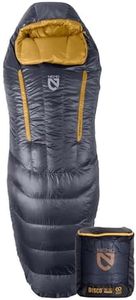
Kelty Cosmic 20 Down Mummy Sleeping Bag for Backpacking, Campers, 550 Fill Power, Recycled Fabrics with PFAS-Free DWR, Designed in Sunny Colorado, USA, 2024 Model (Long)

Rating
9.7
Temperature Rating
Insulation Type
Packability

Most important from
173 reviews

Temperature Rating
Delivers reliable warmth down to the high 20s °F with just a base layer, making it ideal for fall backpacking.
Insulation Type
The down insulation lofts well, and thoughtful features like the hood and draft collar significantly enhance cold-night comfort.
Packability
Packs down smaller than expected, fitting easily into a 50L pack with room to spare, balancing warmth and portability effectively.
Shape
The mummy shape retains heat efficiently but can feel snug at the shoulders, especially for broader or muscular builds.

The Kelty Cosmic 20 Down Mummy Sleeping Bag is a solid choice for backpackers and campers who want a reliable three-season sleeping bag with a temperature rating around 20°F. Its insulation is high-quality 550 fill power down, which means it provides good warmth while remaining fairly lightweight and compressible for easy packing. Weighing about 2 lbs 6 oz, it strikes a balance between warmth and portability, although it’s not the lightest bag out there if you’re focused solely on ultralight backpacking. The mummy shape helps retain heat efficiently, which is great for cooler nights.

One standout feature is the use of recycled nylon and polyester fabrics combined with a PFC-free durable water repellent coating, making this bag environmentally friendly without sacrificing durability. The down is ethically sourced and traceable, which adds to its appeal if sustainability is important to you. The shell material is a thin but tough 20D nylon taffeta, offering reasonable protection against light moisture and abrasions.

The sleeping bag also includes thoughtful details like dual-direction zippers for easy ventilation and movement, and it comes in a long size that fits sleepers up to 6’6”, which is nice for taller users. It compresses well to a compact size about 13 x 7 inches, making it convenient to carry in a backpack. For those who plan to camp in weather colder than 20°F regularly, this bag might not be warm enough without extra layers. While the weight is moderate, some ultralight backpackers might prefer a lighter option. Considering the price and sustainability features, this sleeping bag suits campers and backpackers seeking a comfortable, eco-conscious option suitable for most spring to fall conditions, offering a good balance of warmth, weight, and packability.

Rating
9.7
Temperature Rating
Insulation Type
Packability

Most important from
173 reviews

Temperature Rating
Delivers reliable warmth down to the high 20s °F with just a base layer, making it ideal for fall backpacking.
Insulation Type
The down insulation lofts well, and thoughtful features like the hood and draft collar significantly enhance cold-night comfort.
Packability
Packs down smaller than expected, fitting easily into a 50L pack with room to spare, balancing warmth and portability effectively.
Shape
The mummy shape retains heat efficiently but can feel snug at the shoulders, especially for broader or muscular builds.
#3

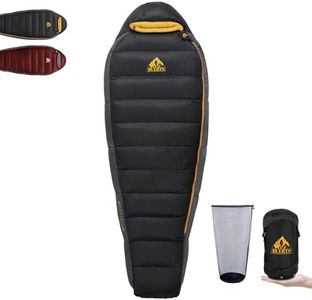
Sea to Summit Spark Ultralight Down Sleeping Bag, 30-Degree, Regular

Rating
8.8
Temperature Rating
Insulation Type
Weight

Most important from
57 reviews

Temperature Rating
Impressive warmth-to-weight ratio with excellent insulation that fluffs up to about 4 inches thick, creating a substantial air gap for warmth.
Insulation Type
Impressive warmth-to-weight ratio with excellent insulation that fluffs up to about 4 inches thick, creating a substantial air gap for warmth.
Weight
Super light and compact, yet surprisingly durable for an ultralight design.
Packability
The bag stuffs down small enough to easily fit into a 55L pack, making it ideal for backpacking where space is limited.
Shell Material
The ultralight fabric is soft and breathable, resembling hammock material, while still maintaining water resistance.

The Sea to Summit Spark Ultralight Down Sleeping Bag is designed for backpackers and outdoor adventurers who need a lightweight, compact option for mild to cool weather (about 30°F). It uses high-quality 850+ fill power down insulation treated to resist moisture, meaning it stays warm even if it gets damp. The ultralight 10D nylon shell and liner keep the bag light and breathable while offering water resistance, which is key for staying comfortable on multi-day trips. Its mummy shape is contoured to give enough room to move without sacrificing warmth, and the hybrid baffle design balances heat retention with a low weight. Weighing just over a pound, it’s easy to carry and packs down small—great for backpacking and bike touring where space and weight matter. The reliable YKK zipper and durable fabric add to its lifespan, backed by a lifetime warranty.

The 30-degree rating means it’s best for spring through early fall, so it might not be warm enough for colder weather. Also, ultralight fabrics can be less durable around rough campsites compared to heavier bags. This sleeping bag is an excellent choice for those who prioritize lightweight gear and plan trips in moderate temperatures, as it offers a strong mix of warmth, packability, and quality materials.

Rating
8.8
Temperature Rating
Insulation Type
Weight

Most important from
57 reviews

Temperature Rating
Impressive warmth-to-weight ratio with excellent insulation that fluffs up to about 4 inches thick, creating a substantial air gap for warmth.
Insulation Type
Impressive warmth-to-weight ratio with excellent insulation that fluffs up to about 4 inches thick, creating a substantial air gap for warmth.
Weight
Super light and compact, yet surprisingly durable for an ultralight design.
Packability
The bag stuffs down small enough to easily fit into a 55L pack, making it ideal for backpacking where space is limited.
Shell Material
The ultralight fabric is soft and breathable, resembling hammock material, while still maintaining water resistance.

Buying Guide for the Best Backpacking Sleeping Bag

Choosing the right backpacking sleeping bag is crucial for a comfortable and safe outdoor adventure. The right sleeping bag will keep you warm, dry, and well-rested, which is essential for enjoying your trip. When selecting a sleeping bag, consider factors such as the climate you'll be in, the weight and packability of the bag, and your personal comfort preferences. Here are some key specifications to help you make an informed decision.
Temperature RatingThe temperature rating of a sleeping bag indicates the lowest temperature at which the bag will keep an average sleeper warm. This is important because it helps you choose a bag that will keep you comfortable in the expected weather conditions. Temperature ratings are usually divided into three categories: summer (above 35°F or 2°C), three-season (10°F to 35°F or -12°C to 2°C), and winter (below 10°F or -12°C). To pick the right one for you, consider the coldest temperature you expect to encounter and choose a bag with a rating slightly lower than that temperature to ensure warmth.
Insulation TypeSleeping bags are typically insulated with either down or synthetic materials. Down insulation is lightweight, compressible, and offers excellent warmth-to-weight ratio, making it ideal for cold, dry conditions. However, it loses its insulating properties when wet. Synthetic insulation, on the other hand, is bulkier and heavier but retains warmth even when damp and dries faster. Choose down if you prioritize weight and packability and expect dry conditions. Opt for synthetic if you anticipate wet conditions or are on a longer trip where drying out gear might be challenging.
WeightThe weight of a sleeping bag is a critical factor for backpackers who need to carry all their gear. Lighter bags are easier to carry but may sacrifice some warmth or durability. Sleeping bags can range from ultralight (under 2 pounds or 0.9 kg) to heavier options (over 4 pounds or 1.8 kg). To choose the right weight, consider the balance between comfort and the distance you plan to hike. If you're covering long distances or have a lot of gear, a lighter bag may be more suitable. For shorter trips or colder conditions, a slightly heavier bag might be worth the extra weight for added warmth.
ShapeSleeping bags come in different shapes, including mummy, rectangular, and semi-rectangular. Mummy bags are tapered at the feet and have a snug fit, which helps retain heat and reduces weight, making them ideal for cold weather. Rectangular bags offer more room to move and are more comfortable for those who feel confined in a mummy bag, but they are bulkier and less efficient at retaining heat. Semi-rectangular bags offer a compromise between the two. Choose a mummy bag for maximum warmth and efficiency, a rectangular bag for comfort and space, or a semi-rectangular bag for a balance of both.
PackabilityPackability refers to how small a sleeping bag can be compressed for storage in your backpack. This is important for saving space and making your pack easier to manage. Down sleeping bags generally compress smaller than synthetic ones, making them more packable. When considering packability, look at the compressed volume of the bag, usually measured in liters. If space is a premium in your backpack, opt for a highly compressible bag. However, ensure that the bag still meets your warmth and comfort needs.
Shell MaterialThe shell material of a sleeping bag affects its durability, water resistance, and breathability. Common materials include nylon and polyester, often with a durable water repellent (DWR) finish. A tougher shell material will be more resistant to tears and abrasions, which is important for rough outdoor conditions. Water-resistant shells help keep the insulation dry, enhancing warmth. Choose a sleeping bag with a durable and water-resistant shell if you expect rugged conditions or wet weather. For milder conditions, a lighter, more breathable shell may be sufficient.

FAQ

Most Popular Categories Right Now