We Use CookiesWe use cookies to enhance the security, performance, functionality and for analytical and promotional activities. By continuing to browse this site you are agreeing to our privacy policy

10 Best Beginner Dslr Cameras 2026 in the United States
How do we rank products for you?

Our technology thoroughly searches through the online shopping world, reviewing hundreds of sites. We then process and analyze this information, updating in real-time to bring you the latest top-rated products. This way, you always get the best and most current options available.

headphones-stars

Our Top Picks

#1

Winner

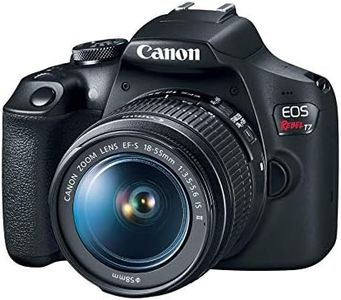
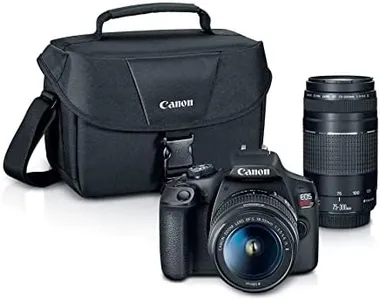
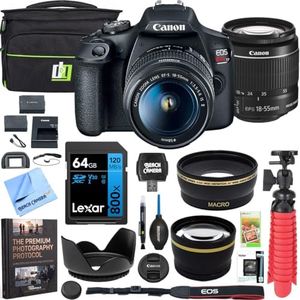
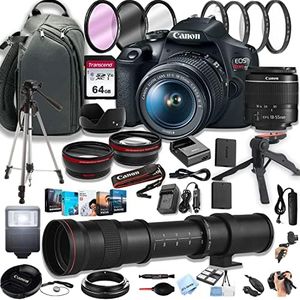
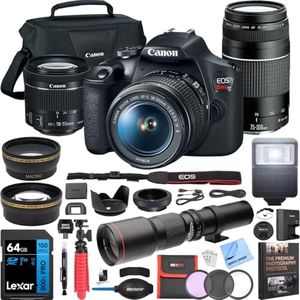
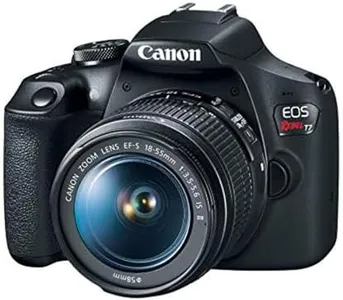
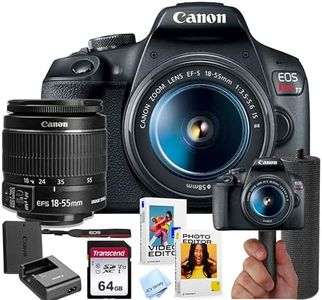
Canon EOS Rebel T7 DSLR Camera|2 Lens Kit with EF18-55mm + EF 75-300mm Lens, Black

Rating
10.0
Chosen by1,204
Megapixels
Ergonomics and Build Quality
Lens Compatibility

Most important from
8288 reviews

Megapixels
The image clarity and quality are impressive, making it a joy to capture detailed photos.
Ergonomics and Build Quality
The camera handles daily use well and feels durable enough despite some accidental drops.
Lens Compatibility
It offers great flexibility with lenses and accessories, allowing creative growth without needing immediate upgrades.
Battery Life
Battery life is strong, lasting several days of regular shooting with minimal charging required.
other
The camera is beginner-friendly and easy to learn, especially with external tutorials to supplement the basic manual.

The Canon EOS Rebel T7 DSLR is a solid choice for anyone starting with DSLR photography. It offers a 24.1-megapixel APS-C sensor, which delivers crisp and detailed photos suitable for most everyday and creative uses. The ISO range of 100 to 6400 (expandable to 12800) helps in capturing decent images even in low light, although it might struggle a bit in very dark settings compared to higher-end cameras. Its autofocus system includes 9 points with AI Servo AF and eye detection, making it easier for beginners to keep moving subjects in focus, though it’s not as advanced or fast as newer models with more autofocus points. Continuous shooting at 3 frames per second is modest but adequate for casual action shots like sports or pets. Video quality supports Full HD 1080p at 30fps, which is good enough for basic videos and vlogging but not quite up to 4K standards.

The kit comes with two versatile lenses (18-55mm and 75-300mm), which cover wide-angle to telephoto needs, allowing beginners to experiment with different photography styles without extra purchases. Ergonomically, it has a comfortable grip and an optical viewfinder with about 95% coverage, making framing shots easy. Battery life averages around 500 shots, typical for entry-level DSLRs, so carrying a spare battery might be handy for longer sessions. Connectivity options include built-in Wi-Fi and NFC for easy sharing and remote control via smartphone, adding convenience for new users. The camera also supports being used as a high-quality webcam, a useful bonus these days.

While it lacks weather sealing and some advanced features found in pricier models, the Rebel T7 balances image quality, ease of use, and useful extras well, making it a dependable starter DSLR for hobbyists and casual photographers.

Rating
10.0
Chosen by1,204
Megapixels
Ergonomics and Build Quality
Lens Compatibility

Most important from
8288 reviews

Megapixels
The image clarity and quality are impressive, making it a joy to capture detailed photos.
Ergonomics and Build Quality
The camera handles daily use well and feels durable enough despite some accidental drops.
Lens Compatibility
It offers great flexibility with lenses and accessories, allowing creative growth without needing immediate upgrades.
Battery Life
Battery life is strong, lasting several days of regular shooting with minimal charging required.
other
The camera is beginner-friendly and easy to learn, especially with external tutorials to supplement the basic manual.
#2

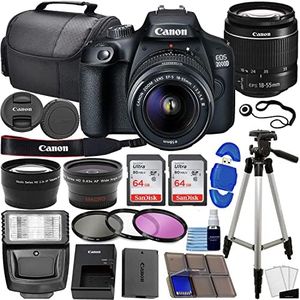
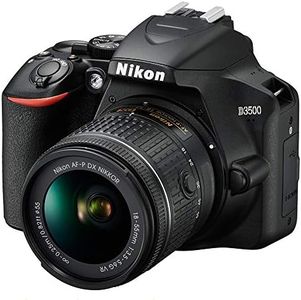
Nikon D3500 24.2MP DSLR Digital Camera with AF-P DX 18-55mm Lens (1590) Deluxe Bundle -Includes- Sandisk 64GB SD Card + Large Camera Bag + Filter Kit + Spare Battery + Telephoto Lens + More

Rating
8.8
Lens Compatibility
Ergonomics and Build Quality

Most important from
70 reviews

Lens Compatibility
Interchangeable lens compatibility provides great flexibility, allowing users to borrow or upgrade lenses as their skills grow.
Ergonomics and Build Quality
The camera’s lightweight design and user-friendly controls make it comfortable for extended use.

The Nikon D3500 is a solid choice for anyone starting with DSLR photography. It sports a 24.2MP APS-C sensor, which means you get good image quality and detail for both photos and videos. The ISO range of 100-25600 lets you shoot in various lighting conditions, including low light, although noise can increase at higher ISO settings. Autofocus is decent with 11 points, enough for basic tracking and sharp images, but not as advanced as pricier models. You can shoot continuously at 5 frames per second, which helps capture action moments reasonably well. Video recording is full HD at 60fps, suitable for smooth clips but without 4K options.

The included 18-55mm lens covers typical beginner needs from wide to short telephoto shots, and the Nikon F mount means you can upgrade to many other lenses later on. The camera is lightweight and comfortable to hold, with a 3-inch vari-angle screen that makes framing easier, especially for beginners. Battery life is impressive, allowing hundreds of shots per charge, which is great for outings without frequent recharging. Connectivity-wise, Bluetooth lets you transfer photos easily to your phone, simplifying sharing.

The deluxe bundle adds useful extras like a spare battery, SD card, telephoto lens, and cleaning kit, giving beginners good value and gear to explore. Downsides include no touchscreen, limited autofocus points, and no weather sealing, so extra care is needed in tough conditions. Also, video features are basic compared to newer models. For a beginner DSLR, the Nikon D3500 provides a user-friendly experience with quality photos and a helpful kit to get started confidently.

Rating
8.8
Lens Compatibility
Ergonomics and Build Quality

Most important from
70 reviews

Lens Compatibility
Interchangeable lens compatibility provides great flexibility, allowing users to borrow or upgrade lenses as their skills grow.
Ergonomics and Build Quality
The camera’s lightweight design and user-friendly controls make it comfortable for extended use.
#3

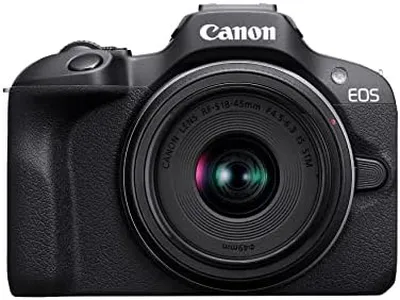
Canon EOS R100 Mirrorless Camera with RF-S18-45mm F4.5-6.3 is STM & RF-S55-210mm F5-7.1 is STM Lenses, APS‑C Sensor, 24.1 MP, 4K Video, Lightweight Vlogging Camera for Entry-Level Creators, Black

Rating
8.5
Lens Compatibility
Ergonomics and Build Quality
Autofocus System

Most important from
812 reviews

Lens Compatibility
RF lenses work exceptionally well with this camera body, and you can also adapt your EF lenses to it.
Ergonomics and Build Quality
Small and compact, the camera fits easily in a coat pocket and takes excellent photos better than any phone.
Autofocus System
The lenses are first-rate, with the standard telephoto lens being very sharp and having fast, accurate focus.

The Canon EOS R100 is a solid choice for beginner photographers who want to step into the world of mirrorless cameras. Its 24.1 Megapixel CMOS sensor and DIGIC 8 processor ensure high-quality images, delivering impressive detail and color accuracy. The camera's compact and lightweight design makes it easy to carry around, perfect for casual shooting or travel. Additionally, with 4K video capabilities, it caters well to those interested in videography. The RF-S lens kit included expands your shooting options, from wide-angle to telephoto, providing versatility for different scenarios.

One of the standout features is the dual pixel autofocus system, which covers 143 zones and offers eye detection for portraits, making it user-friendly for capturing moving subjects. Continuous shooting at 6.5 frames per second is sufficient for most beginner needs, allowing you to catch action shots effectively.

However, there are some drawbacks to consider. While it offers great image quality, it lacks in-body image stabilization, which might limit performance in low-light situations or when using telephoto lenses without a tripod. Battery life is decent but may require a backup for extended shooting sessions. The fixed LCD screen might also hinder creative angles compared to fully articulating screens found in other models. Connectivity options like Bluetooth and Wi-Fi allow for easy sharing and remote control, which is beneficial for tech-savvy beginners. But, the camera does not come with a remote, which might be a limitation for some users.

Rating
8.5
Lens Compatibility
Ergonomics and Build Quality
Autofocus System

Most important from
812 reviews

Lens Compatibility
RF lenses work exceptionally well with this camera body, and you can also adapt your EF lenses to it.
Ergonomics and Build Quality
Small and compact, the camera fits easily in a coat pocket and takes excellent photos better than any phone.
Autofocus System
The lenses are first-rate, with the standard telephoto lens being very sharp and having fast, accurate focus.

Buying Guide for the Best Beginner Dslr Cameras

Choosing a beginner DSLR camera can be an exciting yet overwhelming experience. The right camera will help you capture stunning photos and grow your photography skills. To make an informed decision, it's important to understand the key specifications and how they align with your needs. Here are the main specs to consider when selecting a beginner DSLR camera.
MegapixelsMegapixels refer to the resolution of the camera's sensor, determining the amount of detail the camera can capture. Higher megapixels mean more detail, which is important for large prints or cropping images without losing quality. For beginners, a camera with 16-24 megapixels is usually sufficient, providing a good balance between image quality and file size. If you plan to print large photos or do extensive cropping, consider a camera with more megapixels.
Sensor SizeThe sensor size affects the camera's ability to capture light and detail. Larger sensors generally produce better image quality, especially in low light conditions. Common sensor sizes in beginner DSLRs are APS-C and full-frame. APS-C sensors are smaller and more affordable, making them a great choice for beginners. Full-frame sensors offer superior image quality but are typically more expensive. If you're just starting out, an APS-C sensor will likely meet your needs.
ISO RangeISO range indicates the camera's sensitivity to light. A wider ISO range allows for better performance in various lighting conditions, from bright sunlight to low light environments. For beginners, a camera with an ISO range of 100-6400 is usually adequate. If you plan to shoot in very low light or want more flexibility, look for a camera with an extended ISO range.
Autofocus SystemThe autofocus system determines how quickly and accurately the camera can focus on a subject. More autofocus points and advanced tracking features can help capture sharp images, especially for moving subjects. For beginners, a camera with at least 9-11 autofocus points is a good starting point. If you plan to shoot sports, wildlife, or other fast-moving subjects, consider a camera with more advanced autofocus capabilities.
Continuous Shooting SpeedContinuous shooting speed, measured in frames per second (fps), indicates how many photos the camera can take in a burst. This is important for capturing action shots or fast-moving subjects. For beginners, a camera with a continuous shooting speed of 3-5 fps is usually sufficient. If you plan to shoot sports or other high-speed activities, look for a camera with a higher fps rate.
Video CapabilitiesMany DSLR cameras offer video recording features, which can be a great addition for capturing moments in motion. Look for cameras that offer at least Full HD (1080p) video recording. If you plan to do a lot of video work, consider cameras with 4K video capabilities and additional features like external microphone input and image stabilization.
Lens CompatibilityDSLR cameras use interchangeable lenses, allowing you to choose the best lens for different types of photography. It's important to consider the range of lenses available for the camera brand you choose. For beginners, starting with a versatile kit lens (such as an 18-55mm) is a good option. As you progress, you can invest in additional lenses tailored to your specific interests, such as portrait, macro, or telephoto lenses.
Ergonomics and Build QualityThe ergonomics and build quality of a camera affect how comfortable it is to use and how well it can withstand regular use. Look for a camera that feels good in your hands, with intuitive button placement and a clear, easy-to-navigate menu system. While most beginner DSLRs are made of durable plastic, some offer weather-sealing and more robust construction, which can be beneficial if you plan to shoot in challenging conditions.
Battery LifeBattery life is an important consideration, especially if you plan to shoot for extended periods or travel frequently. Look for a camera that offers a good balance between battery life and performance. For beginners, a camera that can take at least 500 shots per charge is usually sufficient. If you plan to shoot a lot of video or use power-hungry features like continuous shooting, consider carrying an extra battery.
ConnectivityModern DSLR cameras often come with connectivity options like Wi-Fi, Bluetooth, and NFC, allowing you to easily transfer photos to your smartphone or computer. This can be a convenient feature for sharing your photos on social media or backing up your images. For beginners, having Wi-Fi connectivity is a useful feature to look for, as it simplifies the process of transferring and sharing your photos.

FAQ

Most Popular Categories Right Now