We Use CookiesWe use cookies to enhance the security, performance, functionality and for analytical and promotional activities. By continuing to browse this site you are agreeing to our privacy policy

10 Best Heat Cables For Roof 2025 in the United States

How do we rank products for you?

Our technology thoroughly searches through the online shopping world, reviewing hundreds of sites. We then process and analyze this information, updating in real-time to bring you the latest top-rated products. This way, you always get the best and most current options available.

headphones-stars

Our Top Picks

#1

Winner

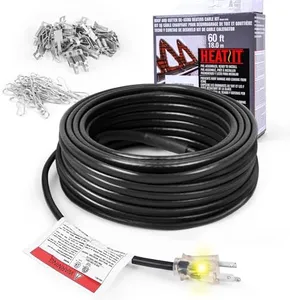
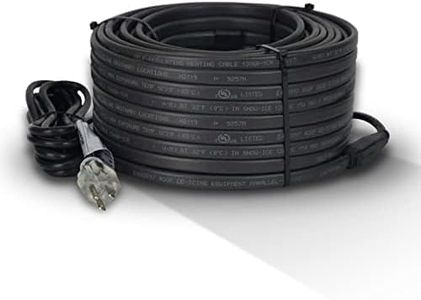
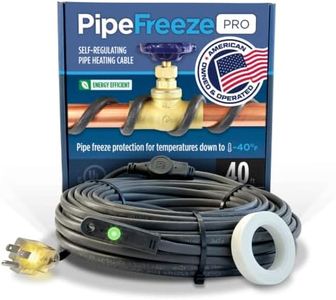
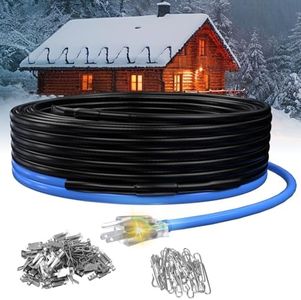
HEATIT Self Regulating Heating Cable Roof Deicing and Pipe freeze Protection Pipe Heat Cable for Metal And Plastic Pipes ETL Certified 120V 130FT

Rating
10.0
Chosen by1,353
Wattage
Durability and Weather Resistance
Ease of Installation

Most important from
4461 reviews

Wattage
Delivers excellent performance in freezing conditions, effectively keeping water lines thawed throughout winter.
Durability and Weather Resistance
Stands up well to harsh weather and remains durable over time without losing effectiveness.
Ease of Installation
Installation is straightforward and flexible, allowing easy placement around pipes and units.

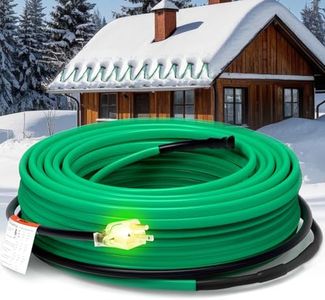
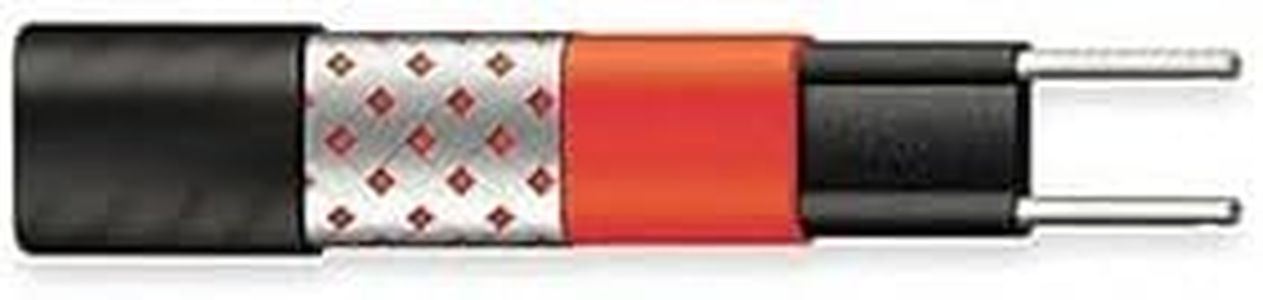
The HEATIT Self Regulating Heating Cable is a solid choice for protecting pipes and roofs from freezing, especially in cold climates. Its 130-foot length offers plenty of coverage for larger areas, and the 5 watts per foot power rating provides efficient heating without wasting energy. Because it’s self-regulating, the cable adjusts its heat output based on surrounding temperatures, helping prevent overheating and saving on electricity bills. This product is ETL certified end-to-end, which means it meets high safety standards, a reassuring feature for use around your home.

The cable is waterproof and designed to work well even in extremely cold weather, down to -40°F, and won’t overheat beyond 149°F, making it reliable in tough conditions. It’s also versatile and easy to install, with options to lay it straight or spiral around pipes, plus a plug-and-play design with an indicator light to show when it’s working. While it’s a bit on the heavier side at nearly 7 pounds, that’s typical for a durable, long cable.

This product is mainly aimed at pipe freeze protection, so if you’re looking specifically for roof ice dam prevention, it can work but might require careful installation to cover roof edges properly. This cable offers a safe, energy-efficient, and flexible solution for keeping pipes and roofs frost-free, especially for users who want a reliable product backed by safety certifications.

Rating
10.0
Chosen by1,353
Wattage
Durability and Weather Resistance
Ease of Installation

Most important from
4461 reviews

Wattage
Delivers excellent performance in freezing conditions, effectively keeping water lines thawed throughout winter.
Durability and Weather Resistance
Stands up well to harsh weather and remains durable over time without losing effectiveness.
Ease of Installation
Installation is straightforward and flexible, allowing easy placement around pipes and units.
#2

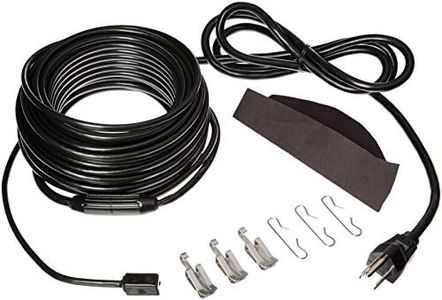
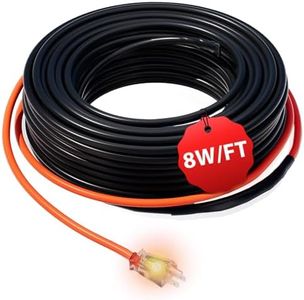
Frost King RC200 Electric Roof Cable Kits, 120V x 1000W x 200Ft, Black

Rating
8.8
Cable Length
Wattage
Voltage

Most important from
2167 reviews

Cable Length
The 200-foot cable length is suitable for medium to larger roofs but may be just short for some longer roofs, so gutter cables are also important to prevent ice buildup there.
Wattage
Consumes a significant amount of power—about 1000 watts for 200 feet—so it’s best used only when necessary to manage energy costs.
Voltage
A 14-gauge extension cord is recommended if needed, as thinner cords can overheat during extended use.
Durability and Weather Resistance
Strong, durable cords contribute to overall product quality and reliability during harsh winter weather.
Ease of Installation
Installation requires care to avoid shingle damage, with the cable laying better if fully uncoiled beforehand.

The Frost King RC200 Electric Roof Cable Kit is a solid choice for homeowners looking to prevent ice dams and keep gutters clear during winter. With a 200-foot length and 1000 watts at 120 volts, it provides enough coverage for medium to larger roof sections. The cable is pre-assembled and comes with easy-to-follow instructions, making installation straightforward even for those new to heat cables. It uses copper wiring, which generally ensures good heat conduction and durability.

This model is a constant wattage cable, meaning it runs at the same temperature regardless of outside conditions, which could lead to higher energy use compared to self-regulating types that adjust heat output. It is designed for outdoor use, but users should ensure it meets the requirements for their specific climate conditions.

The kit offers an effective and user-friendly solution for preventing roof ice buildup and protecting gutters, especially for those seeking a ready-to-install option without complicated setup. The energy efficiency may be less optimal than more advanced self-regulating cables.

Rating
8.8
Cable Length
Wattage
Voltage

Most important from
2167 reviews

Cable Length
The 200-foot cable length is suitable for medium to larger roofs but may be just short for some longer roofs, so gutter cables are also important to prevent ice buildup there.
Wattage
Consumes a significant amount of power—about 1000 watts for 200 feet—so it’s best used only when necessary to manage energy costs.
Voltage
A 14-gauge extension cord is recommended if needed, as thinner cords can overheat during extended use.
Durability and Weather Resistance
Strong, durable cords contribute to overall product quality and reliability during harsh winter weather.
Ease of Installation
Installation requires care to avoid shingle damage, with the cable laying better if fully uncoiled beforehand.
#3

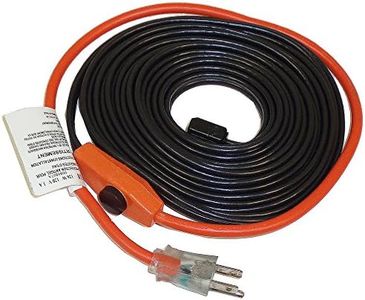
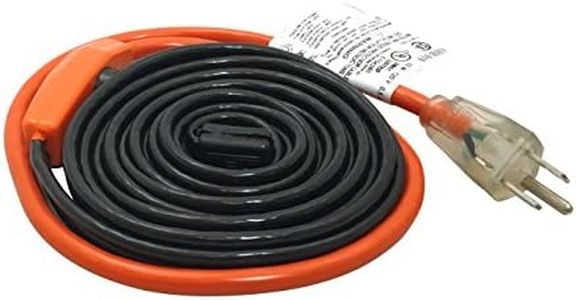
Frost King HC30A Automatic Electric Heat Kit Heating Cables, 30 - Feet, Black

Rating
8.5
Cable Length
Wattage
Self-Regulating vs. Constant Wattage

Most important from
6226 reviews

Cable Length
The cable is notably flexible, making it easy to secure tightly around pipes for effective heat distribution.
Wattage
Delivers reliable performance by maintaining warmth to prevent pipe freezing, even in very cold conditions.
Self-Regulating vs. Constant Wattage
The heat cable reacts appropriately to temperature changes, activating when cold and turning off once warming up, ensuring energy efficiency.
Durability and Weather Resistance
Its durability and safety are enhanced by fire-rated insulation and protective tape, providing peace of mind during use.
Ease of Installation
Installation is straightforward, especially when paired with the included pipe insulation and heat tape.

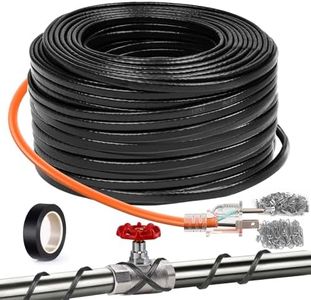
The Frost King HC30A Automatic Electric Heat Kit offers a 30-foot long heat cable designed primarily for residential water pipes rather than direct roof or gutter applications. It operates at 120 volts and provides 7 watts per foot, which is a moderate wattage level sufficient to prevent freezing down to extremely low temperatures (-40°F). The cable is made from stainless steel, contributing to good durability and weather resistance, essential for outdoor use. It is easy to install and comes with pipe insulation and heat tape, making it a convenient choice for homeowners who want a straightforward setup.

This product is a constant wattage cable rather than self-regulating, meaning it uses the same amount of power regardless of temperature, which could lead to higher energy use compared to self-regulating types that adjust heat output. The 30-foot length is suitable for relatively short runs, so it may not cover larger roof or gutter areas without multiple kits. It is highly regarded for pipe protection but is more appropriate for water pipes than roofing or gutter de-icing tasks, where more specialized roof cables with self-regulating features and longer lengths might perform better.

For those needing to keep water pipes from freezing in cold climates, this Frost King cable provides an efficient and reliable option that balances ease of installation with solid performance.

Rating
8.5
Cable Length
Wattage
Self-Regulating vs. Constant Wattage

Most important from
6226 reviews

Cable Length
The cable is notably flexible, making it easy to secure tightly around pipes for effective heat distribution.
Wattage
Delivers reliable performance by maintaining warmth to prevent pipe freezing, even in very cold conditions.
Self-Regulating vs. Constant Wattage
The heat cable reacts appropriately to temperature changes, activating when cold and turning off once warming up, ensuring energy efficiency.
Durability and Weather Resistance
Its durability and safety are enhanced by fire-rated insulation and protective tape, providing peace of mind during use.
Ease of Installation
Installation is straightforward, especially when paired with the included pipe insulation and heat tape.

Buying Guide for the Best Heat Cables For Roof

When choosing heat cables for your roof, it's important to understand that these products are designed to prevent ice dams and snow buildup, which can cause significant damage to your roof and home. The right heat cable will ensure that your roof remains clear of ice and snow, protecting your property and providing peace of mind during the winter months. To make an informed decision, you need to consider several key specifications that will determine the effectiveness and suitability of the heat cable for your specific needs.
Cable LengthCable length is the total length of the heat cable. This is important because it determines how much area of your roof can be covered. Heat cables come in various lengths, typically ranging from 30 feet to over 200 feet. To choose the right length, measure the areas of your roof where you need to prevent ice dams and ensure the cable you select can cover these areas adequately. If you have a larger roof or multiple problem areas, you may need a longer cable or multiple cables.
WattageWattage refers to the power output of the heat cable, usually measured in watts per foot. This is crucial because it affects the cable's ability to melt ice and snow. Heat cables generally range from 3 watts per foot to 12 watts per foot. Higher wattage cables are more powerful and can melt ice more quickly, making them suitable for areas with severe winter conditions. For milder climates, a lower wattage cable may be sufficient. Consider the typical winter weather in your area when choosing the wattage.
VoltageVoltage is the electrical potential required to operate the heat cable, commonly available in 120V or 240V. This is important because it needs to match your home's electrical system. Most residential homes use 120V, but some may have 240V systems. Ensure you check your home's electrical specifications before purchasing a heat cable to avoid compatibility issues. If you're unsure, consult an electrician.
Self-Regulating vs. Constant WattageSelf-regulating cables adjust their heat output based on the surrounding temperature, becoming warmer as it gets colder and cooler as it warms up. This makes them energy-efficient and reduces the risk of overheating. Constant wattage cables, on the other hand, provide a steady amount of heat regardless of the temperature. Self-regulating cables are generally more expensive but offer better energy efficiency and safety. If you want a more hands-off, energy-efficient solution, self-regulating cables are the way to go. For a more budget-friendly option, constant wattage cables can be considered.
Durability and Weather ResistanceDurability and weather resistance refer to the cable's ability to withstand harsh winter conditions, including snow, ice, and UV exposure. This is important because a durable cable will last longer and perform better over time. Look for cables with robust outer jackets made from materials like thermoplastic or rubber, which can resist cracking and degradation. If you live in an area with extreme weather conditions, investing in a high-quality, durable cable will ensure reliable performance and longevity.
Ease of InstallationEase of installation refers to how simple it is to set up the heat cable on your roof. This is important because a cable that is difficult to install can lead to improper setup and reduced effectiveness. Some cables come with pre-assembled kits and clear instructions, making them easier to install. If you're planning to install the cable yourself, look for user-friendly options with comprehensive guides. For more complex installations, you may need to hire a professional, so consider this when choosing your heat cable.

FAQ

Most Popular Categories Right Now