We Use CookiesWe use cookies to enhance the security, performance, functionality and for analytical and promotional activities. By continuing to browse this site you are agreeing to our privacy policy

10 Best Boning Knives 2025 in the United States

How do we rank products for you?

Our technology thoroughly searches through the online shopping world, reviewing hundreds of sites. We then process and analyze this information, updating in real-time to bring you the latest top-rated products. This way, you always get the best and most current options available.

headphones-stars

Our Top Picks

#1

Winner

HexClad Boning Knife, 6-Inch Japanese Damascus Stainless Steel Blade, Pakkawood Handle

Rating
10.0
Chosen by1,139
Weight and Balance
Handle Material

Most important from
983 reviews

Weight and Balance
The knife is exceptionally well balanced and comfortable, making it a pleasure to handle during precise tasks.
Handle Material
The wooden handle provides a high-quality, ergonomic grip that reduces hand fatigue.

The HexClad 6-inch boning knife is designed for precision and control, making it a solid choice for tasks like deboning meat, poultry, and fish. Its standout feature is the 67-layer Japanese Damascus stainless steel blade, which is both hard and flexible thanks to an advanced heat treatment. This means it holds its sharpness longer and can easily slice through ligaments and connective tissue with clean, accurate cuts. The 6-inch blade length is typical and versatile for boning work, giving you enough reach without sacrificing maneuverability.

The handle is made from Pakkawood, an ergonomic material that offers a comfortable grip and good balance, helping reduce hand fatigue during use. Weighing about 14.4 ounces, the knife feels balanced and not too heavy, which is important for the delicate work boning requires. The blade is flexible, which is excellent for detailed work but may not be as sturdy for heavier cutting tasks. Also, the knife is not dishwasher safe and needs regular honing to keep its edge in top shape, so some extra care is necessary. The plain blade edge is standard for boning knives, allowing smooth, clean cuts without tearing.

With a strong customer rating and a lifetime warranty against defects, this knife is ideal for home cooks who want a durable, sharp, and comfortable tool for deboning. It may not be the best fit if you prefer a no-maintenance knife or need a heavier, tougher blade for rougher cutting jobs.

Rating
10.0
Chosen by1,139
Weight and Balance
Handle Material

Most important from
983 reviews

Weight and Balance
The knife is exceptionally well balanced and comfortable, making it a pleasure to handle during precise tasks.
Handle Material
The wooden handle provides a high-quality, ergonomic grip that reduces hand fatigue.
#2

HOSHANHO Fillet Knife 7 Inch, Super Sharp Boning Knife in High Carbon Stainless Steel, Professional Japanese Fish Knives for Meat Poultry Cutting

Rating
7.9
Blade Material
Blade Flexibility
Handle Material

Most important from
2557 reviews

Blade Material
Cuts through gristle and bone with ease, demonstrating its strength and durability.
Blade Flexibility
The blade is stiff with minimal flexibility, providing safety and precision in cutting tasks.
Handle Material
The handle is very comfortable to hold, reducing fatigue during extended use.
Weight and Balance
Balance is good, and the knife feels well-weighted and easy to control.

The HOSHANHO Fillet Knife is a strong contender for anyone looking to slice and prepare meat or fish with precision. Made from high carbon AUS-10 stainless steel, it offers impressive sharpness and durability, making it an excellent choice for both home cooks and professional chefs. Its 7-inch thin blade is particularly effective for various cutting tasks, from filleting fish to trimming meat, and allows for clean cuts with minimal waste, an essential feature in cooking.

One of its standout features is the ergonomic pakkawood handle, which not only feels comfortable to hold but also helps reduce fatigue during extended use. This is a big plus for anyone who spends a lot of time preparing food. Additionally, the knife is lightweight, making it easy to maneuver, which can be helpful when working with different ingredients.

There are a few considerations to keep in mind. While the knife's flexibility is great for adapting to fish shapes, it may not be as effective for tougher cuts of meat. Also, the blade is not dishwasher safe, meaning extra care is needed during cleaning to maintain its sharpness and integrity. This fillet knife is a practical and stylish addition to any kitchen, ideal for those who frequently prepare fish or delicate meats. Its combination of sharpness, comfort, and precision makes it a worthwhile investment, especially for those focused on culinary presentation and efficiency.

Rating
7.9
Blade Material
Blade Flexibility
Handle Material

Most important from
2557 reviews

Blade Material
Cuts through gristle and bone with ease, demonstrating its strength and durability.
Blade Flexibility
The blade is stiff with minimal flexibility, providing safety and precision in cutting tasks.
Handle Material
The handle is very comfortable to hold, reducing fatigue during extended use.
Weight and Balance
Balance is good, and the knife feels well-weighted and easy to control.
#3

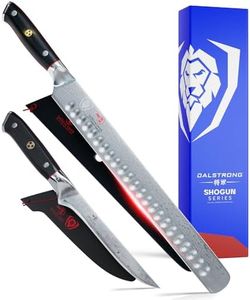
Dalstrong Boning Knife - 6 inch - Shogun Series ELITE - Damascus - AUS-10V Japanese Steel - Fillet Knife Gift - Carving, Boning, Trimming, Deboning - Black G10 Handle - Sheath Included

Rating
7.9
Blade Material
Weight and Balance

Most important from
1384 reviews

Blade Material
Visually stunning Damascus pattern and superb balance make this knife a pleasure to use.
Weight and Balance
The handles fit perfectly and the balance is great, making it a solid, well-built piece of hardware.

The Dalstrong 6-inch Boning Knife from the Shogun Series ELITE stands out with its high-quality blade made from AUS-10V Japanese super steel. This material ensures excellent sharpness, durability, and resistance to corrosion. The blade's 67 layers of high-carbon stainless steel create additional strength and a visually appealing Damascus pattern. Its full tang construction and nitrogen cooling process further enhance its durability and flexibility, making it well-suited for precise tasks such as filleting, boning, trimming, and deboning.

The knife's razor-sharp edge, achieved through a traditional 3-step Honbazuke method, and a 8-12° degree angle per side, ensures effortless cutting performance close to the bone or joints. The handle, made of ultra-premium G-10 material, is known for its resilience to heat, cold, and moisture, providing a comfortable and secure grip. Additionally, the knife's weight (6 ounces) and balance are tailored for optimal control and agility during use.

However, it's important to note that this knife is not dishwasher safe, which might be a drawback for some users. It also comes with a higher price tag, but the lifetime warranty and satisfaction guarantee offer some reassurance. This knife is ideal for both professional chefs and home cooks who seek precision, durability, and a touch of elegance in their kitchen tools.

Rating
7.9
Blade Material
Weight and Balance

Most important from
1384 reviews

Blade Material
Visually stunning Damascus pattern and superb balance make this knife a pleasure to use.
Weight and Balance
The handles fit perfectly and the balance is great, making it a solid, well-built piece of hardware.

Buying Guide for the Best Boning Knives

Choosing the right boning knife can make a significant difference in your kitchen experience, especially if you frequently prepare meat, poultry, or fish. A boning knife is specifically designed to remove bones from meat, and its unique features make it more efficient for this task compared to other types of knives. When selecting a boning knife, it's important to consider several key specifications to ensure you get the best fit for your needs. Here are the key specs to look out for and how to navigate them.
Blade MaterialThe blade material of a boning knife is crucial as it affects the knife's sharpness, durability, and ease of maintenance. Common materials include stainless steel, high-carbon steel, and ceramic. Stainless steel is resistant to rust and easy to maintain, making it a good all-around choice. High-carbon steel is extremely sharp and holds its edge well but requires more maintenance to prevent rust. Ceramic blades are very sharp and lightweight but can be brittle and prone to chipping. Choose a material based on your willingness to maintain the knife and your preference for sharpness and durability.
Blade FlexibilityBlade flexibility refers to how much the blade can bend without breaking. This is important because a more flexible blade can navigate around bones and joints more easily, making it ideal for poultry and fish. Stiffer blades are better for tougher meats like beef and pork. If you primarily work with delicate meats, opt for a more flexible blade. For general use or tougher meats, a stiffer blade will provide better control and strength.
Blade LengthBoning knives typically range from 5 to 7 inches in length. The length of the blade affects how maneuverable the knife is and how much control you have. Shorter blades (around 5 inches) offer more precision and are easier to handle, making them suitable for smaller cuts of meat and intricate work. Longer blades (6-7 inches) are better for larger cuts and provide more leverage. Consider the types of meat you usually work with and choose a blade length that matches your needs.
Handle MaterialThe handle material affects the comfort, grip, and durability of the knife. Common handle materials include wood, plastic, and composite. Wooden handles offer a traditional feel and good grip but require more maintenance to prevent damage from moisture. Plastic handles are durable, easy to clean, and often have ergonomic designs for comfort. Composite handles combine the best of both worlds, offering durability and a good grip. Choose a handle material that feels comfortable in your hand and suits your maintenance preferences.
Blade ShapeThe shape of the blade can influence how well the knife performs specific tasks. Curved blades are excellent for making precise cuts and working around bones, while straight blades provide more power for cutting through tougher sections. If you need a knife for detailed work and maneuvering around bones, a curved blade is ideal. For more general use and cutting through larger sections of meat, a straight blade may be more suitable.
Weight and BalanceThe weight and balance of a boning knife affect how comfortable it is to use over extended periods. A well-balanced knife will feel comfortable and natural in your hand, reducing fatigue. Heavier knives can provide more cutting power, while lighter knives offer more control and precision. Consider your own strength and comfort preferences when choosing the weight and balance of your knife. Holding the knife in your hand before purchasing can help you determine if it feels right for you.

FAQ

Most Popular Categories Right Now