10 Best Borescopes 2026 in the United States

Related Products
Up to 18% off
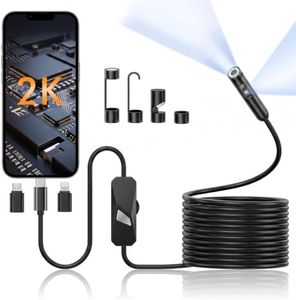
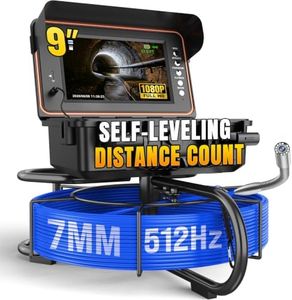
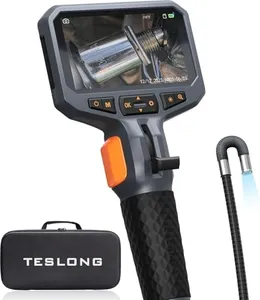
Our technology thoroughly searches through the online shopping world, reviewing hundreds of sites. We then process and analyze this information, updating in real-time to bring you the latest top-rated products. This way, you always get the best and most current options available.

Our Top Picks
Winner
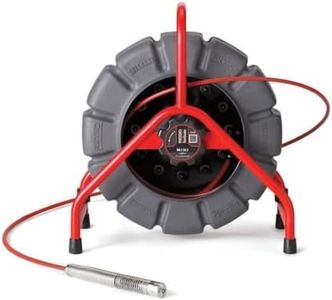
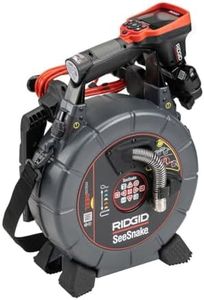
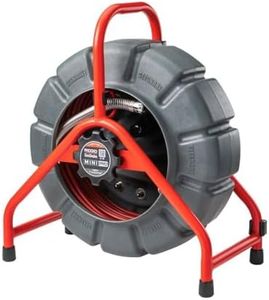
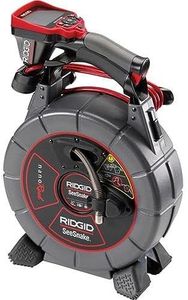
RIDGID 63628 200' Mini SeeSnake Self Leveling TruSense Sewer Camera Reel, Sewer Inspection
The RIDGID 63628 SeeSnake Mini is a solid choice for plumbers or professionals needing to inspect pipes, especially long runs up to 200 feet. Its 1.2-inch diameter camera head fits well in pipes ranging from 1.5 to 8 inches wide, making it versatile for main or branch drain lines. The camera uses TruSense technology with a high dynamic range sensor, offering clear, balanced images even in tricky lighting conditions. The self-leveling camera head with TiltSense inclinometer also helps users understand the angle inside pipes, which is handy for accurate inspections. The push cable strikes a good balance between stiffness and flexibility, so it navigates bends without too much hassle. Bright LED lights and a durable sapphire crystal lens mean the camera is built to last and deliver good visibility.
It connects to RIDGID’s CSx WiFi monitors for viewing, though it doesn’t have its own built-in display. The unit is battery powered and reasonably portable, but at 35 pounds, it’s not ultra-light. Its design suits wet sewer environments, making it appropriate for demanding conditions.
This model is suited for professionals needing reliable, long-distance pipe inspections with advanced image features, while occasional users might find it somewhat heavy and reliant on separate monitors.
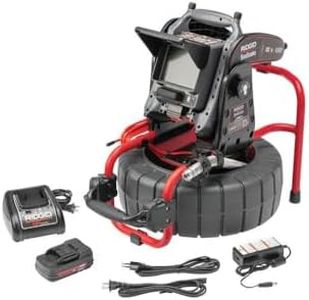
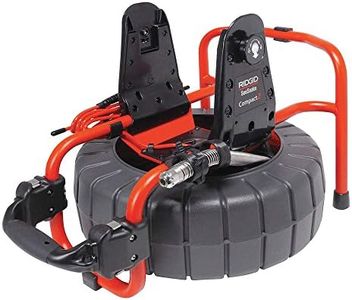
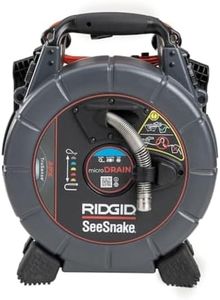
RIDGID 63828 SeeSnake® Compact C40 System with CS6x VERSA Digital Recording Monitor, 18V Battery and Charger, HDR Image Sensor, TruSense, TiltSence Inclinometer
Most important from
2 reviews
The RIDGID 63828 SeeSnake Compact C40 system is a solid choice for pipe and in-pipe inspections, especially in plumbing and maintenance tasks. It features a 0.26-inch (6.7 mm) diameter probe that’s slim enough to fit into pipes as small as 1.5 inches and sturdy enough at 131 feet (40 meters) to handle longer inspections with fewer snags. The camera has a high dynamic range sensor producing clear 720p video, which helps capture bright, detailed images even in tricky lighting inside pipes. Although it lacks autofocus, its fixed focus combined with digital image stabilization still provides sharp views.
The system is equipped with TruSense technology and a TiltSence inclinometer, offering accurate environmental data and tilt angle readings right on the Wi-Fi enabled LCD monitor, which is great for precise navigation and understanding pipe conditions. The camera doesn’t have a built-in flash, relying instead on the high dynamic range sensor for image quality, which might occasionally limit visibility in very dark areas. The device is water resistant, suitable for wet environments typical in pipe inspections.
Weighing around 27 pounds, it’s moderately portable but might be heavy for field use over long periods. While it doesn’t specify articulation capabilities, the flexible yet moderately stiff push cable helps maneuver through bends effectively. The system is best suited for professionals or serious DIYers needing reliable, detailed pipe inspection with added sensor data, though those needing higher camera resolution or more articulation might consider other options.
Most important from
2 reviews
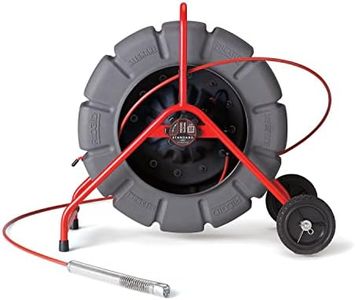
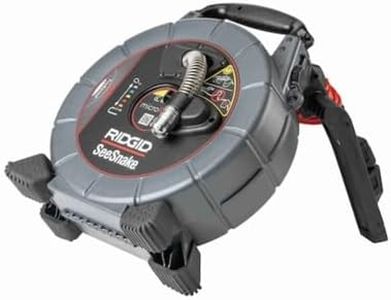
RIDGID 63603 200' Standard SeeSnake Self Leveling TruSense Sewer Camera Reel, Sewer Inspection
The RIDGID 63603 is designed mainly for sewer and pipe inspections, especially in larger pipes ranging from 2 to 12 inches in diameter. It features a 1.4-inch camera head with TruSense technology, which uses HDR sensors to deliver clear, well-balanced images even in challenging lighting conditions. The self-leveling camera head with a TiltSense inclinometer helps you understand the angle of the camera inside pipes, which is quite handy for precise inspections.
The 200-foot stiff push cable reinforced with fiberglass allows you to inspect long pipe runs effectively, making it suitable for professional or serious DIY use. Its high-intensity LED lights and a sapphire crystal lens add durability and good illumination to see inside dark pipes clearly. The unit is manual to operate and compatible with RIDGID’s SeeSnake monitors, but it doesn’t come with its own display.
This product is a robust choice if you need a long cable and strong image quality for sewer work, though casual users might find it bulky and requiring additional equipment to view footage.
Buying Guide for the Best Borescopes
Borescopes are essential tools for inspecting hard-to-reach areas, commonly used in automotive, plumbing, and industrial applications. When choosing a borescope, it's important to consider several key specifications to ensure you select the right one for your needs. Understanding these specifications will help you make an informed decision and get the best performance from your borescope.FAQ
Most Popular Categories Right Now


