10 Best Camera Tripods 2026 in the United States

Related Products
Up to 47% off

Our technology thoroughly searches through the online shopping world, reviewing hundreds of sites. We then process and analyze this information, updating in real-time to bring you the latest top-rated products. This way, you always get the best and most current options available.

Our Top Picks
Winner
Really Right Stuff TFCT-34L Mk2 SOAR Series 3 Carbon Fiber Tripod with Anvil-30 ARC Ball Head, 85 LB Capacity, 4 Leg Sections, 58.2" Max Height (TFCT-MK2-34L-A30ARC)
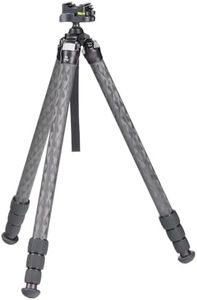
The Really Right Stuff TFCT-34L Mk2 SOAR Series tripod is a high-quality carbon fiber tripod designed for photographers and videographers needing strong support and portability. It can hold up to 85 pounds, making it suitable for heavy camera setups, including professional DSLRs and long lenses. Its maximum height of about 58 inches is comfortable for most shooting situations without needing additional risers.
The four leg sections allow for compact folding, enhancing portability, while offset leg joints and vented clevis design improve stability and quick setup. The R-LOCK safety-stop feature ensures the legs stay securely in place, which is great for confidence on uneven ground. The included Anvil-30 ARC ball head offers smooth manual control for precise camera positioning. The carbon fiber material keeps the tripod lightweight yet sturdy, making it easier to carry on long shoots.
Although it is not water resistant and may require extra care in wet conditions, this tripod is excellent for heavy gear. The price and features might be more than what casual photographers need, making it a strong choice for serious users who prioritize durability, stability, and reliable performance in a portable design.
UBeesize 72'' Magnetic Tripod for iPhone with Remote, Extendable Cell Phone Tripod Stand, Compatible with MagSafe, Selfie Stick Tripod for iPhone 15 14 13 12 11 Series and Android Phones
Most important from
25336 reviews
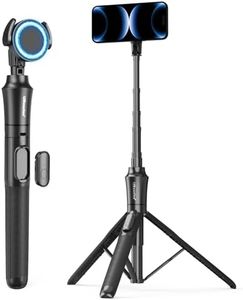
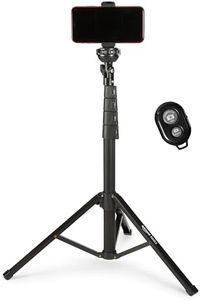
The UBeesize 72'' Magnetic Tripod is a lightweight and portable option made from aluminum, making it durable yet easy to carry. It extends up to an impressive 72 inches, which is quite tall for a phone tripod, and its six leg sections allow for flexible height adjustments. The tripod features a ball head that rotates 360 degrees with an additional 180-degree neck rotation, providing a wide range of angles for creative shots. A standout feature is the magnetic attachment compatible with MagSafe on newer iPhones, making it quick to mount your phone without fuss. For phones without magnetic backs, a silicone clip is included to securely hold your device.
The built-in Bluetooth remote shutter works up to 33 feet away, letting you take photos or videos hands-free, which is great for selfies, vlogging, or group pictures. However, the tripod supports a maximum weight of only 0.7 pounds, so it is best suited for smartphones rather than heavier cameras. Also, it is not water-resistant, so using it outdoors in wet conditions requires caution. While the tripod folds down to 15 inches for portability, its height and magnetic features make it especially good for iPhone users looking for a versatile and easy-to-use tripod. Users wanting a tripod for heavier cameras or rugged outdoor use might find this model less suitable.
Most important from
25336 reviews
Leofoto Carbon Fiber Tripod Kit, 5-Section Legs, Low-Profile Ballhead,
Most important from
4 reviews
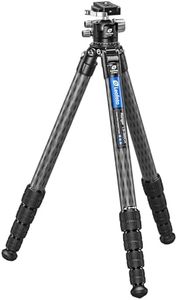
The Leofoto Carbon Fiber Tripod Kit is a solid choice for photographers who want a lightweight yet strong tripod. Made from carbon fiber, it weighs just under 4 pounds but can carry a hefty 44-pound load, meaning it can support heavy cameras and lenses with ease. It has five leg sections, which helps it fold down to a compact size (about 19 inches), making it easy to carry around for travel or outdoor shoots. The tripod can extend up to 63 inches tall, offering flexibility for different shooting angles.
One handy feature is the semi-automatic angle stop system that lets you quickly set and lock the leg angles, including a very low minimum height of just over 3 inches, good for ground-level photography. The leg locks use a simple 1/4 turn rotation, which some users may find quicker than traditional twist locks. The kit includes a low-profile ballhead that offers smooth, flexible camera positioning.
This tripod is not water-resistant, so extra care is needed in wet conditions. While it's lightweight for its strength, it may be a bit heavier compared to ultra-compact travel tripods. The included carry bag and tools add convenience, but if you mainly need a tripod for casual, lightweight setups, this might be more than necessary. The tripod blends portability with stability and load capacity, making it well-suited for serious amateurs or professionals who travel and need reliable support for a range of camera gear.
Most important from
4 reviews
Buying Guide for the Best Camera Tripods
Choosing the right camera tripod is essential for capturing steady and high-quality photos and videos. A good tripod provides stability, flexibility, and ease of use, which are crucial for both amateur and professional photographers. When selecting a tripod, consider the type of photography you do, the weight of your camera, and the environments in which you'll be shooting. Here are some key specifications to help you make an informed decision.FAQ
Most Popular Categories Right Now


