We Use CookiesWe use cookies to enhance the security, performance, functionality and for analytical and promotional activities. By continuing to browse this site you are agreeing to our privacy policy

10 Best Digital Slr Cameras 2026 in the United States
How do we rank products for you?

Our technology thoroughly searches through the online shopping world, reviewing hundreds of sites. We then process and analyze this information, updating in real-time to bring you the latest top-rated products. This way, you always get the best and most current options available.

headphones-stars

Our Top Picks

#1

Winner

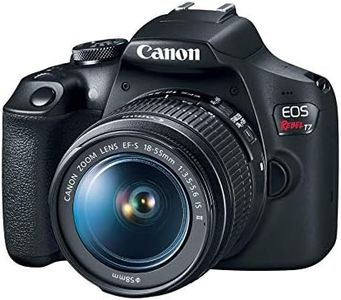
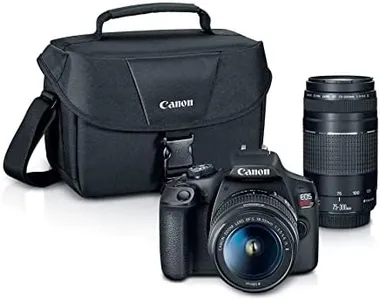
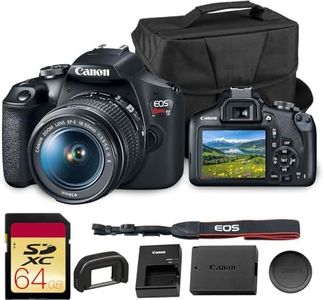
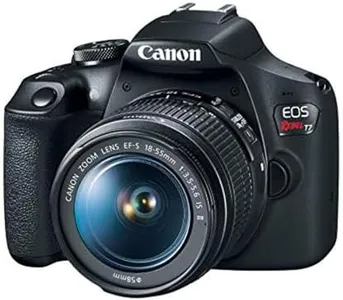
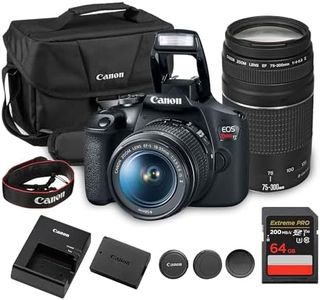
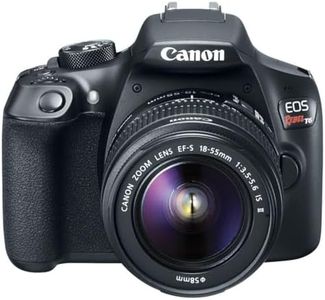
Canon EOS Rebel T7 DSLR Camera|2 Lens Kit with EF18-55mm + EF 75-300mm Lens, Black

Rating
10.0
Chosen by1,376
Megapixels
Build Quality and Ergonomics
Lens Compatibility

Most important from
8391 reviews

Megapixels
Produces sharp, high-quality images that look professional across various lighting conditions.
Build Quality and Ergonomics
The camera’s design is sleek, lightweight, and easy to handle, perfect for extended use and travel.
Lens Compatibility
The included kit lenses offer good zoom range and versatility for portraits, landscapes, and everyday photography.

The Canon EOS Rebel T7 with the 18-55mm and 75-300mm lenses is a solid choice for beginner to amateur photographers who want an easy-to-use DSLR. It features a 24.1-megapixel APS-C sensor that captures detailed images, and the ISO range of 100-6400 (expandable to 12800) helps in various lighting conditions, though it might struggle a bit in very low light compared to higher-end models. The 9-point autofocus system is reliable for stills but not the fastest or most advanced, and continuous shooting speed at 3 frames per second is sufficient for casual use but won't satisfy those shooting fast action or sports frequently.

Video capabilities include 1080p Full HD, which is good for basic video needs but lacks 4K resolution. The camera's build is lightweight and ergonomic, making it comfortable to hold for extended periods, though it uses a mostly plastic body which might feel less durable than professional models. The included lenses cover both wide-angle and telephoto needs, offering good flexibility for different shooting situations without needing to invest in more glass right away.

Built-in Wi-Fi and NFC allow easy sharing and remote control, and the option to use it as a webcam is a nice modern feature. It lacks advanced autofocus points and features found in pricier DSLRs, and its viewfinder covers about 95% of the frame, which is standard but not the most precise. This camera kit is well suited for newcomers wanting good image quality and ease of use without overwhelming complexity, though those aiming for fast action photography or advanced video might look elsewhere.

Rating
10.0
Chosen by1,376
Megapixels
Build Quality and Ergonomics
Lens Compatibility

Most important from
8391 reviews

Megapixels
Produces sharp, high-quality images that look professional across various lighting conditions.
Build Quality and Ergonomics
The camera’s design is sleek, lightweight, and easy to handle, perfect for extended use and travel.
Lens Compatibility
The included kit lenses offer good zoom range and versatility for portraits, landscapes, and everyday photography.
#2

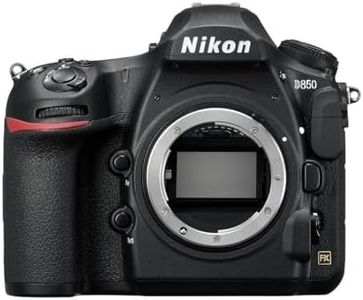
Nikon D850 FX-Format Digital SLR Camera Body

Rating
9.7
Sensor Size
Megapixels
ISO Range

Most important from
772 reviews

Sensor Size
Its high megapixel count and large sensor provide immense cropping flexibility and exceptional dynamic range, rivaling medium format quality when paired with top lenses.
Megapixels
Its high megapixel count and large sensor provide immense cropping flexibility and exceptional dynamic range, rivaling medium format quality when paired with top lenses.
ISO Range
The D850's low-light performance is outstanding, producing clean images at high ISO levels up to 12,800 and workable quality even beyond.
Autofocus System
Its autofocus system matches flagship models, offering incredibly fast and accurate focus with 153 points, making it ideal for tracking moving subjects.
Video Capabilities
The D850's low-light performance is outstanding, producing clean images at high ISO levels up to 12,800 and workable quality even beyond.
Build Quality and Ergonomics
The camera's robust build and weather sealing allow it to perform reliably in demanding conditions, with no built-in flash ensuring superior sealing.

The Nikon D850 is a high-end digital SLR camera designed for professional photographers or serious enthusiasts who want exceptional image quality. It features a large full-frame (FX-format) sensor with 45.7 megapixels, which means it can capture extremely detailed photos, great for landscapes, portraits, or commercial work. Thanks to its back-illuminated sensor without an optical low pass filter, you get sharper images with rich dynamic range and minimal risk of unwanted patterns (moiré).

Its ISO range is broad, expandable up to 102,400, allowing good performance even in low light, though using very high ISO may introduce noise like in most cameras. The camera’s autofocus system is advanced, with 153 points and phase detection, making it reliable for tracking moving subjects, which is helpful for sports or wildlife photography. Shooting speed is strong at up to 9 frames per second with full autofocus, letting you capture fast action without missing key moments. Video capabilities include 4K Ultra HD recording and slow motion at 120 frames per second in 1080p, plus time-lapse options, making it versatile for multimedia work.

The D850 also offers a tilting touchscreen, which adds convenience for shooting at different angles. Its build quality is robust with water resistance, suitable for demanding shooting conditions. Battery life is excellent, supporting longer sessions without frequent recharging. Lens compatibility is broad, supporting Nikon FX and DX mount lenses, giving you access to a wide range of high-quality optics. The camera body weighs about 2 pounds, which might feel heavy for casual use or travel. While it supports modern features, it lacks some slower-motion video options found in newer models and has a complex menu that might take time for beginners to master. It doesn’t include a built-in flash for very low light fill but does have flash sync support. The Nikon D850 stands out as a powerful, versatile DSLR that excels in image quality and professional features, best suited for serious photographers who value resolution, speed, and rugged build.

Rating
9.7
Sensor Size
Megapixels
ISO Range

Most important from
772 reviews

Sensor Size
Its high megapixel count and large sensor provide immense cropping flexibility and exceptional dynamic range, rivaling medium format quality when paired with top lenses.
Megapixels
Its high megapixel count and large sensor provide immense cropping flexibility and exceptional dynamic range, rivaling medium format quality when paired with top lenses.
ISO Range
The D850's low-light performance is outstanding, producing clean images at high ISO levels up to 12,800 and workable quality even beyond.
Autofocus System
Its autofocus system matches flagship models, offering incredibly fast and accurate focus with 153 points, making it ideal for tracking moving subjects.
Video Capabilities
The D850's low-light performance is outstanding, producing clean images at high ISO levels up to 12,800 and workable quality even beyond.
Build Quality and Ergonomics
The camera's robust build and weather sealing allow it to perform reliably in demanding conditions, with no built-in flash ensuring superior sealing.
#3

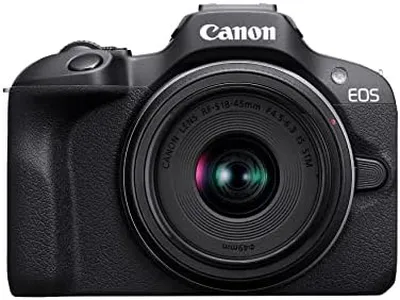
Canon EOS R100 Mirrorless Camera with 18-45mm and 55-210mm Lenses

Rating
9.7
Lens Compatibility
Autofocus System

Most important from
861 reviews

Lens Compatibility
This camera body uses RF lenses amazingly well, and you can also adapt your EF lenses.
Autofocus System
It takes excellent photos, better than any phone, with sharp and fast focusing lenses.

The Canon EOS R100 is a compact and lightweight mirrorless camera, making it an excellent choice for those who prioritize portability and mobility. It features a 24.1 Megapixel CMOS (APS-C) sensor, ensuring high-quality images with good detail and clarity. The DIGIC 8 processor further enhances image processing, allowing for vibrant and accurate colors. Its Dual Pixel CMOS AF system, with 143 autofocus points and Eye Detection AF, offers reliable and quick focusing, which is beneficial for both still photography and video recording. The camera supports continuous shooting speeds of up to 6.5 frames per second, suitable for capturing fast-moving subjects. Additionally, it is capable of recording 4K video, appealing to users interested in videography.

The included RF-S18-45mm and RF-S55-210mm lenses provide versatility for different photography needs, from wide-angle to telephoto shots. However, there are some limitations to consider. The maximum ISO range of 25600 may not perform as well in very low light conditions. The camera's screen is fixed and not touch-sensitive, which might be less convenient for some users. Also, the maximum aperture of the kit lenses is somewhat limited (F4.5-6.3 and F5-7.1), potentially affecting performance in low light and depth of field control.

Despite these drawbacks, the Canon EOS R100 offers a good balance of features and performance for beginners and hobbyists looking for an affordable entry into mirrorless photography.

Rating
9.7
Lens Compatibility
Autofocus System

Most important from
861 reviews

Lens Compatibility
This camera body uses RF lenses amazingly well, and you can also adapt your EF lenses.
Autofocus System
It takes excellent photos, better than any phone, with sharp and fast focusing lenses.

Buying Guide for the Best Digital Slr Cameras

Choosing the right digital SLR (DSLR) camera can be a rewarding experience, especially if you know what to look for. DSLRs are known for their versatility, image quality, and the ability to change lenses to suit different photography needs. When selecting a DSLR, it's important to consider your photography goals, whether you're a beginner, enthusiast, or professional. Understanding the key specifications will help you make an informed decision that matches your needs and preferences.
Sensor SizeThe sensor size in a DSLR camera is crucial because it affects the image quality, depth of field, and low-light performance. Larger sensors, like full-frame sensors, capture more light and detail, making them ideal for professional photography and low-light conditions. APS-C sensors are smaller but still offer excellent image quality and are more affordable, making them suitable for enthusiasts and beginners. Consider what type of photography you will be doing; if you need high detail and better performance in low light, a larger sensor is preferable.
MegapixelsMegapixels refer to the resolution of the camera's sensor, indicating how many millions of pixels the camera can capture. Higher megapixels mean more detail in your images, which is beneficial for large prints or cropping. However, more megapixels also mean larger file sizes. For most users, a camera with 16-24 megapixels is sufficient, providing a good balance between image quality and file size. If you are a professional or need extremely high detail, you might consider cameras with 30+ megapixels.
ISO RangeThe ISO range of a camera determines its sensitivity to light. A wider ISO range allows for better performance in various lighting conditions, from bright daylight to low-light environments. Cameras with higher ISO capabilities can capture clearer images in low light without needing a flash. For general use, an ISO range of 100-6400 is typically sufficient. If you often shoot in low-light conditions, look for a camera with an extended ISO range, such as 100-25600 or higher.
Autofocus SystemThe autofocus (AF) system in a DSLR camera is important for capturing sharp images, especially in fast-moving or dynamic scenes. A more advanced AF system with more focus points and faster focusing speeds will help you achieve better accuracy and reliability. For casual photography, a basic AF system with fewer focus points may be adequate. However, if you are into sports, wildlife, or action photography, look for a camera with a sophisticated AF system that includes features like phase detection and multiple focus points.
Continuous Shooting SpeedContinuous shooting speed, measured in frames per second (fps), indicates how many images a camera can take in a burst. This is particularly important for capturing fast-moving subjects, such as in sports or wildlife photography. Entry-level DSLRs typically offer around 3-5 fps, which is sufficient for general use. Enthusiast and professional models may offer 7-10 fps or higher, providing better performance for action shots. Consider your photography style and whether you need high-speed continuous shooting.
Video CapabilitiesMany DSLRs offer video recording capabilities, which can be a valuable feature if you plan to shoot videos in addition to still photos. Look for the resolution and frame rates the camera supports; Full HD (1080p) is common, but 4K resolution is becoming more popular for higher quality. Also, consider additional features like microphone input, autofocus during video, and image stabilization. If video is a significant part of your work, prioritize these features to ensure good video quality and ease of use.
Build Quality and ErgonomicsThe build quality and ergonomics of a DSLR camera affect how comfortable and durable it is to use. Cameras with a robust, weather-sealed body are better suited for outdoor and rugged use. Ergonomics, including the grip and button layout, are important for handling and ease of use. Try holding different cameras to see which feels most comfortable in your hands. If you plan to shoot in challenging environments or for extended periods, prioritize a camera with good build quality and ergonomics.
Lens CompatibilityOne of the main advantages of DSLRs is the ability to change lenses. Ensure the camera you choose is compatible with a wide range of lenses that suit your photography needs. Consider the availability and cost of lenses for the camera brand you are interested in. If you have specific photography interests, such as macro, portrait, or landscape, check that there are suitable lenses available. Investing in a camera with a versatile lens ecosystem will allow you to expand your capabilities over time.

FAQ

Most Popular Categories Right Now