We Use CookiesWe use cookies to enhance the security, performance, functionality and for analytical and promotional activities. By continuing to browse this site you are agreeing to our privacy policy

10 Best Kayaks 2026 in the United States

How do we rank products for you?

Our technology thoroughly searches through the online shopping world, reviewing hundreds of sites. We then process and analyze this information, updating in real-time to bring you the latest top-rated products. This way, you always get the best and most current options available.

headphones-stars

Our Top Picks

#1

Winner

Wilderness Systems Recon 120 HD - Sit on Top Fishing Kayak - 360 Degree ACES seat & Helix PD™ Pedal Drive System - 12 ft - Desert Sunset

The Wilderness Systems Recon 120 HD is a sit-on-top fishing kayak designed for solo users looking for comfort and functionality during their outdoor adventures. One of its standout features is the AirPro ACES seat, which offers excellent adjustability and comfort, allowing for a relaxed experience whether you're paddling, pedaling, or fishing. The 360-degree swivel capability also enhances your ease of movement when accessing gear or the surrounding environment.

Another impressive feature is the StowPro storage system, which includes an extra-large hatch and organized bins. This thoughtful design helps keep your gear secure and accessible, which is essential for any fishing outing. The kayak's S.M.A.R.T. hull technology ensures stability and responsiveness, making it suitable for various water conditions, enhancing both safety and performance.

There are some drawbacks to consider. Weighing in at 115 pounds, it can be challenging to transport or maneuver for some users, especially if you're planning to launch from a remote location. Additionally, while it boasts a weight capacity of 450 pounds, which is generous, the kayak's overall length of 12 feet may not be suitable for those looking for a more compact option for tight spaces. The Wilderness Systems Recon 120 HD is a well-designed fishing kayak that excels in comfort and storage options, making it a great choice for solo anglers who value accessibility. Just be mindful of its weight and size when considering your kayak adventures.

#2

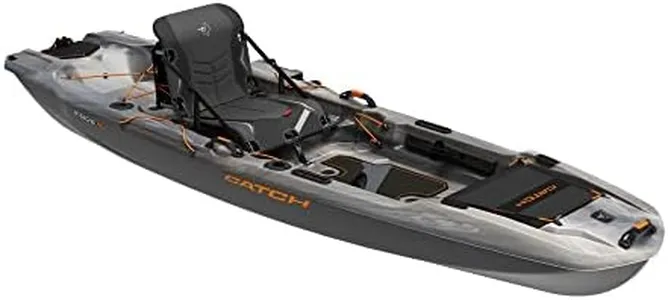
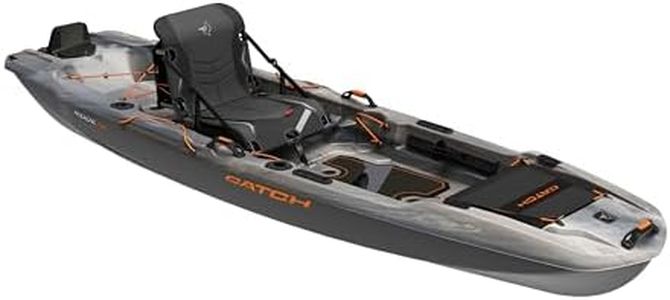
Pelican Catch Mode 110 Fishing Kayak - Premium Angler Kayak with Lawnchair seat, Granite - 10.5 Ft.

Rating
10.0
Weight Capacity
Storage Options

Most important from
412 reviews

Weight Capacity
Surprisingly stable even with a combined weight of 320 lbs, including gear and a dog.
Storage Options
The kayak is wonderfully laid out, ticking every box for fishing needs with ideal rod holder and bungee placements.

The Pelican Catch Mode 110 Fishing Kayak is designed specifically for anglers, boasting features that enhance both stability and comfort. With its tunnel hull, you can expect a secure ride, which is ideal when you're standing to cast or reel in fish. The kayak's lightweight design at 67 pounds makes it easier to transport, a definite plus for those who might be loading it alone. Its generous weight capacity of 375 pounds accommodates most fishermen and their gear comfortably.

One standout feature is the ERGOBOOST seating system, which offers adjustable height and under-seat storage. This thoughtful design enhances your fishing experience by providing a better angle of vision and comfort during long hours on the water. For serious fishing enthusiasts, the kayak includes practical storage options—like front and rear tank wells, along with rod holders and rigging tracks for accessories. The anti-slip deck carpet adds to the safety and convenience while you're on the water.

There are a few things to consider. While the kayak is relatively lightweight, some may still find the 67 pounds a bit heavy, especially when portaging over long distances. Additionally, it is a single-seater, which means it won’t accommodate fishing buddies unless you have extra kayaks. The cockpit size may also feel a bit snug for larger users, limiting comfort for extended trips.

The Pelican Catch Mode 110 Fishing Kayak is suitable for solo anglers looking for a stable, comfortable, and well-equipped fishing kayak, though those who prioritize extreme portability or require space for multiple passengers might want to explore other options.

Rating
10.0
Weight Capacity
Storage Options

Most important from
412 reviews

Weight Capacity
Surprisingly stable even with a combined weight of 320 lbs, including gear and a dog.
Storage Options
The kayak is wonderfully laid out, ticking every box for fishing needs with ideal rod holder and bungee placements.
#3

Wilderness Systems Pungo 120 Recreational Kayak - Sit Inside - Phase 3 Air Pro Comfort Seating - 12.2 ft - Galaxy

Rating
9.7
Type of Kayak
Weight Capacity
Cockpit Size

Most important from
126 reviews

Type of Kayak
The kayak’s design perfectly balances stability and maneuverability, making it easy to handle on the water without feeling confined.
Weight Capacity
Despite its solid build, the kayak’s relatively light weight makes it easier to transport, a big plus for older paddlers or those frequently loading and unloading.
Cockpit Size
The open cockpit design allows for a refreshing connection to the water, even letting paddlers dip their toes while seated.
Storage Options
Some storage features fall short: the dashboard drybox latch is prone to failure, and the rear dry storage isn’t fully sealed, risking water intrusion.

The Wilderness Systems Pungo 120 is a sit-inside recreational kayak measuring 12.2 feet in length and 29 inches wide, making it suitable for small to medium-sized paddlers. It features a well-designed hull that balances stability with performance, delivering best-in-class speed and efficient paddling. The kayak's Phase 3 Air Pro seat provides strong lower back support and airflow through mesh-covered foam, enhancing comfort during longer trips. Adjustable footrests and thigh pads allow the kayak to fit different body sizes.

Weighing 49 pounds, this polyethylene kayak offers relatively easy transport compared to heavier models. It supports a maximum weight of 325 pounds, accommodating most solo paddlers with gear comfortably. Storage options include a rear Orbit hatch with a sealed bulkhead to keep gear dry, along with a dashboard area featuring a removable dry box, cup holders, and accessory mounts—including a dedicated spot for a battery pack to charge electronics on the water.

This kayak is well suited for recreational paddlers seeking a fast, stable, and comfortable boat with good storage options for day trips or casual fishing.

Rating
9.7
Type of Kayak
Weight Capacity
Cockpit Size

Most important from
126 reviews

Type of Kayak
The kayak’s design perfectly balances stability and maneuverability, making it easy to handle on the water without feeling confined.
Weight Capacity
Despite its solid build, the kayak’s relatively light weight makes it easier to transport, a big plus for older paddlers or those frequently loading and unloading.
Cockpit Size
The open cockpit design allows for a refreshing connection to the water, even letting paddlers dip their toes while seated.
Storage Options
Some storage features fall short: the dashboard drybox latch is prone to failure, and the rear dry storage isn’t fully sealed, risking water intrusion.

Buying Guide for the Best Kayaks

Choosing the right kayak can greatly enhance your paddling experience, whether you're a beginner or an experienced kayaker. The key to finding the best kayak for you is to consider where and how you plan to use it, as well as your own physical characteristics and skill level. By understanding the different specifications and features of kayaks, you can make an informed decision that will provide you with comfort, stability, and enjoyment on the water.
Type of KayakKayaks come in various types, each designed for specific activities and water conditions. The main types include recreational kayaks, touring kayaks, whitewater kayaks, and fishing kayaks. Recreational kayaks are great for calm waters and casual paddling, offering stability and ease of use. Touring kayaks are designed for longer trips and open water, providing better speed and storage. Whitewater kayaks are built for navigating rapids and rough waters, offering maneuverability and durability. Fishing kayaks come with features like rod holders and extra storage for gear. Choose the type that matches your intended use and paddling environment.
LengthThe length of a kayak affects its speed, stability, and maneuverability. Shorter kayaks (under 10 feet) are more maneuverable and easier to transport, making them ideal for beginners and those paddling in tight spaces or calm waters. Medium-length kayaks (10-14 feet) offer a balance of speed and stability, suitable for recreational use and light touring. Longer kayaks (over 14 feet) are faster and track better in open water, making them ideal for long-distance touring and sea kayaking. Consider your paddling environment and experience level when choosing the length.
WidthThe width of a kayak, also known as its beam, influences its stability and speed. Wider kayaks (over 30 inches) are more stable and easier to balance, making them suitable for beginners, fishing, and calm waters. Narrower kayaks (under 24 inches) are faster and more efficient in the water, but they require better balance and skill, making them suitable for experienced paddlers and rougher conditions. If you prioritize stability and comfort, opt for a wider kayak. If speed and performance are more important, a narrower kayak may be the better choice.
Weight CapacityWeight capacity refers to the maximum weight a kayak can safely carry, including the paddler and any gear. It's important to choose a kayak with a weight capacity that exceeds your own weight plus any additional gear you plan to bring. Overloading a kayak can affect its performance and stability. For casual paddling and day trips, a lower weight capacity may suffice. For longer trips or if you plan to carry a lot of gear, look for a kayak with a higher weight capacity to ensure safety and comfort.
MaterialKayaks are made from various materials, each with its own advantages and disadvantages. Common materials include plastic, fiberglass, and composite. Plastic kayaks are durable, affordable, and resistant to impacts, making them great for beginners and rough conditions. Fiberglass kayaks are lighter and offer better performance, but they are more expensive and can be damaged more easily. Composite kayaks, made from materials like carbon fiber, are the lightest and offer the best performance, but they are also the most expensive and require careful handling. Consider your budget, intended use, and how much maintenance you're willing to perform when choosing the material.
Cockpit SizeThe size of the cockpit affects your comfort and ease of entry and exit. Larger cockpits provide more room and are easier to get in and out of, making them suitable for recreational use and beginners. Smaller cockpits offer better control and protection from the elements, making them ideal for touring and rough conditions. If you prioritize comfort and ease of use, a larger cockpit may be the best choice. If you need better control and plan to paddle in challenging conditions, a smaller cockpit may be more suitable.
Storage OptionsStorage options in a kayak include hatches, deck rigging, and compartments for gear. If you plan to take long trips or carry a lot of equipment, look for kayaks with ample storage space, including sealed hatches to keep your gear dry. Deck rigging, such as bungee cords, can provide additional storage for items you need to access quickly. For casual paddling and short trips, less storage may be needed. Consider how much gear you plan to bring and choose a kayak with appropriate storage options to meet your needs.

FAQ

Most Popular Categories Right Now