We Use CookiesWe use cookies to enhance the security, performance, functionality and for analytical and promotional activities. By continuing to browse this site you are agreeing to our privacy policy

10 Best Laptops Under 400 Dollars 2026 in the United States
How do we rank products for you?

Our technology thoroughly searches through the online shopping world, reviewing hundreds of sites. We then process and analyze this information, updating in real-time to bring you the latest top-rated products. This way, you always get the best and most current options available.

headphones-stars

Our Top Picks

#1

Winner

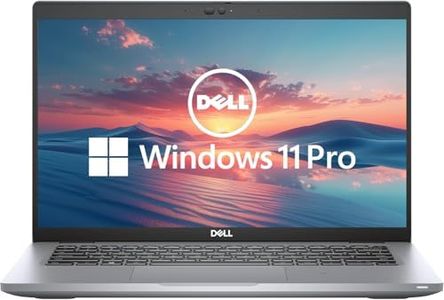
Dell Latitude 5420 14" FHD Business Laptop Computer, Intel Quad-Core i5-1145G7, 16GB DDR4 RAM, 256GB SSD, Camera, HDMI, Windows 11 Pro (Renewed)

Rating
10.0
Chosen by1,196
Battery Life
Display
Build Quality

Most important from
321 reviews

Battery Life
Battery life lasts about three hours, and occasional screen startup quirks require plugging in or waiting, but overall it performs reliably for everyday tasks.
Display
The size strikes a good balance—not too big, yet large enough for comfortable viewing during work or creative projects.
Build Quality
Physical condition upon arrival can be a concern, with some units showing structural damage near the hinge that may worsen over time.
Processor (CPU)
Performance matches expectations for the price, making it a decent choice for those needing solid specs on a tight budget.

The Dell Latitude 5420 is a solid choice if you're looking for a business-style laptop under $400, especially in the renewed/refurbished market. It comes with an 11th Gen Intel Core i5 quad-core processor at 2.4 GHz, which offers good performance for everyday tasks like browsing, office work, and video calls. With 16GB of RAM, multitasking is smooth, allowing you to run multiple apps without slowdowns. The 256GB SSD means faster startup and file access compared to traditional hard drives, although storage might feel a bit limited if you plan to save a lot of files or media.

Its 14-inch matte Full HD (1920x1080) display offers clear visuals without much glare, which is nice for longer use. The laptop has a decent selection of ports: 1 HDMI, 2 Thunderbolt, 4 USB ports, and Ethernet, so connecting to external devices and networks is straightforward. It runs Windows 11 Pro, giving access to the latest features and security updates. The build is business-focused, likely durable but not flashy, and it weighs about 3 pounds, making it reasonably portable.

The wireless is 802.11n, which is older Wi-Fi technology, so wireless speeds might not be as fast as newer models with Wi-Fi 5 or 6. For those needing a reliable, no-nonsense laptop for work or study within a tight budget, this Dell Latitude 5420 delivers good power and features, though storage and wireless connectivity may feel a bit modest compared to pricier options.

Rating
10.0
Chosen by1,196
Battery Life
Display
Build Quality

Most important from
321 reviews

Battery Life
Battery life lasts about three hours, and occasional screen startup quirks require plugging in or waiting, but overall it performs reliably for everyday tasks.
Display
The size strikes a good balance—not too big, yet large enough for comfortable viewing during work or creative projects.
Build Quality
Physical condition upon arrival can be a concern, with some units showing structural damage near the hinge that may worsen over time.
Processor (CPU)
Performance matches expectations for the price, making it a decent choice for those needing solid specs on a tight budget.
#2

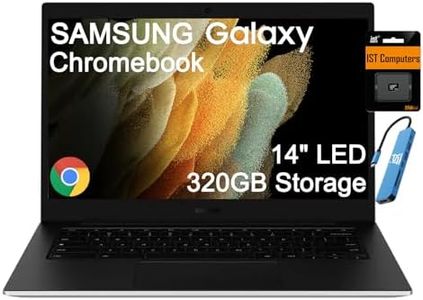
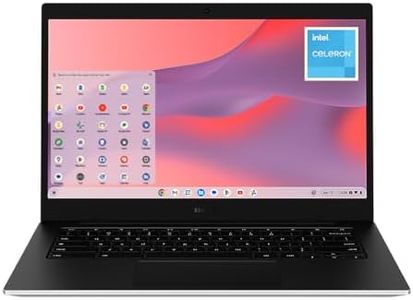
Samsung Galaxy Chromebook Go Laptop (14" LED, Intel Celeron N4500, 64GB eMMC + 256GB SD Card) Home & Student, 12-Hr Long Battery, Spill-Resistant, Webcam, Lightweight, Wi-Fi 6, IST HUB, Chrome OS

Rating
8.8
Processor (CPU)
Storage
Display

Most important from
672 reviews

Processor (CPU)
Performance handles everyday activities like browsing, streaming, and Google Docs smoothly, though it is not designed for heavy multitasking or demanding software.
Storage
Storage is limited but manageable due to reliance on cloud services, making it less of an issue for users focused on online productivity.
Display
The 14-inch display is bright and clear enough for browsing, document editing, and video calls, providing comfortable screen space despite its basic resolution.
Battery Life
Battery life easily lasts through a full day without the need to constantly find a charger, supporting extended work or study sessions.
Build Quality
It feels well-built and durable, suitable for travel and rougher handling, which is especially valuable for students.
Operating System
The Chrome OS environment keeps the system fast, secure, and simple to use, with seamless integration for Google services and Android phones.

The Samsung Galaxy Chromebook Go is designed as an affordable, lightweight laptop suitable for students and everyday users who need reliable basic computing on a budget. It runs on the Intel Celeron N4500 processor with 4 GB of RAM, which handles general tasks like browsing, video calls, and document editing smoothly but may struggle with heavier multitasking or demanding apps. Storage combines a 64GB eMMC drive with an added 256GB SD card, offering good space for files but not as fast as SSDs found in pricier models. The 14-inch LED display has a modest 1366x768 resolution and an anti-glare coating, making it comfortable for extended use though it’s not ideal for detailed graphics or high-definition media.

Battery life is strong, lasting up to 12 hours, which supports a full day of work or study away from outlets. The build is notably rugged with military-grade durability and a spill-resistant keyboard—great for students or anyone prone to accidents. Connectivity is a highlight, featuring Wi-Fi 6, Bluetooth 5.1, USB Type-C and Type-A ports, and a bundled 7-in-1 USB hub to expand options, including support for up to 4K external monitors.

Chrome OS keeps the system fast, secure, and easy to use, with access to Google Play apps, perfect for online classes or casual productivity. The RAM is limited to 4 GB and not upgradeable, and the display resolution is basic, which might feel less sharp compared to other laptops. Also, the Celeron processor is entry-level, so it’s best for light use rather than intensive software. For those seeking a simple, durable laptop with long battery life and solid connectivity under $400, this Chromebook represents a strong choice, especially for students and travelers.

Rating
8.8
Processor (CPU)
Storage
Display

Most important from
672 reviews

Processor (CPU)
Performance handles everyday activities like browsing, streaming, and Google Docs smoothly, though it is not designed for heavy multitasking or demanding software.
Storage
Storage is limited but manageable due to reliance on cloud services, making it less of an issue for users focused on online productivity.
Display
The 14-inch display is bright and clear enough for browsing, document editing, and video calls, providing comfortable screen space despite its basic resolution.
Battery Life
Battery life easily lasts through a full day without the need to constantly find a charger, supporting extended work or study sessions.
Build Quality
It feels well-built and durable, suitable for travel and rougher handling, which is especially valuable for students.
Operating System
The Chrome OS environment keeps the system fast, secure, and simple to use, with seamless integration for Google services and Android phones.
#3

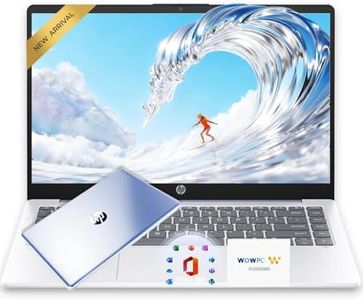
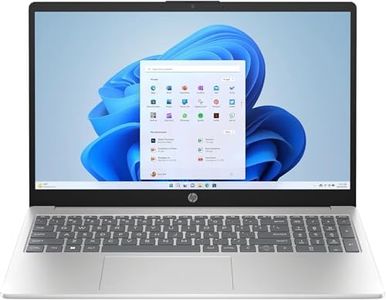
HP Pavilion Laptop Everyday Laptop Computer with Copilot AI | 4GB RAM | 128GB SSD | Latest AMD Processor | Microsoft Office 365 | Up to 11.5 Hrs Use | Windows 11

The HP Pavilion UltraBook offers a solid entry-level laptop experience for those on a budget under $400. Its 12th Gen AMD Athlon processor provides decent everyday performance with energy efficiency, making it suitable for tasks like browsing, streaming, and office work. The 4GB DDR5 RAM is the minimum you’d want today; it can handle basic multitasking but may slow down with multiple apps or heavier workloads. Storage is a 128GB SSD, which helps with faster startup and app loading compared to traditional hard drives, but the capacity is quite limited if you plan to store many files or install large programs.

The 14-inch HD display has a 1366x768 resolution with anti-glare coating, which is good for reducing eye strain indoors but may feel a bit low-res and dim (250 nits brightness) compared to higher-end screens. The laptop is lightweight at just over 3 lbs and offers up to 8-11.5 hours of battery life depending on usage, which supports all-day mobility. Build quality is decent for this price, with a spill-resistant keyboard and a sleek design, though it lacks keyboard backlighting which can make typing in low light harder.

Connectivity options are strong with 6 ports, including 3 USB ports, HDMI, headphone jack, and Wi-Fi 6 support, allowing easy connection to peripherals and external displays. It runs Windows 11, so you get the latest features and security updates. The 4GB RAM and 128GB storage can limit performance and capacity in the long run, and the HD display resolution might not satisfy users wanting sharper images. This HP Pavilion is best for students, casual users, or those needing a lightweight, affordable laptop for basic computing tasks without demanding software or heavy multitasking.

Buying Guide for the Best Laptops Under 400 Dollars

Choosing a laptop can be a daunting task, especially when you're working within a budget. It's important to understand the key specifications that will impact your experience and ensure you get the best value for your money. Here are some essential specs to consider when selecting a laptop under $400.
Processor (CPU)The processor is the brain of your laptop, responsible for executing tasks and running programs. In budget laptops, you'll typically find Intel Core i3, AMD Ryzen 3, or similar processors. These are suitable for everyday tasks like browsing the web, streaming videos, and using office applications. If you need a laptop for more demanding tasks like photo editing or light gaming, look for a slightly higher-end processor within your budget.
RAMRAM (Random Access Memory) is crucial for multitasking and running applications smoothly. For budget laptops, 4GB to 8GB of RAM is common. 4GB is sufficient for basic tasks, but if you plan to run multiple applications simultaneously or use more memory-intensive programs, aim for 8GB. More RAM allows for better performance and a smoother user experience.
StorageStorage determines how much data you can save on your laptop. Budget laptops often come with either HDD (Hard Disk Drive) or SSD (Solid State Drive) storage. SSDs are faster and more reliable but may offer less storage capacity compared to HDDs. For general use, a 128GB or 256GB SSD is a good choice as it provides quick access to files and faster boot times. If you need more storage for files like photos and videos, consider a laptop with a larger HDD or an external storage solution.
DisplayThe display quality affects your viewing experience. Budget laptops usually have screens ranging from 11 to 15 inches with resolutions like HD (1366x768) or Full HD (1920x1080). A Full HD display offers better clarity and is preferable if you plan to watch videos or work with detailed content. Consider the screen size based on your portability needs; smaller screens are more portable, while larger screens provide a better viewing experience.
Battery LifeBattery life is important for using your laptop on the go. Budget laptops typically offer between 4 to 8 hours of battery life. If you need a laptop for travel or long periods away from a power source, look for models with longer battery life. Keep in mind that battery performance can vary based on usage, so consider your typical use case when evaluating this spec.
Build QualityBuild quality refers to the durability and feel of the laptop. Budget laptops may use plastic materials, which can be less durable than metal. Consider how often you'll be transporting your laptop and choose one that feels sturdy and well-built. A solid build can withstand daily wear and tear better, ensuring your laptop lasts longer.
Ports and ConnectivityPorts and connectivity options determine how you can connect peripherals and other devices to your laptop. Common ports include USB, HDMI, and audio jacks. Ensure the laptop has enough USB ports for your needs and consider additional features like an SD card reader or Ethernet port if necessary. Good connectivity options enhance the versatility of your laptop.
Operating SystemThe operating system (OS) is the software that manages your laptop's hardware and software. Common options include Windows, Chrome OS, and Linux. Windows is versatile and supports a wide range of applications, making it suitable for most users. Chrome OS is lightweight and ideal for web-based tasks, while Linux offers customization for tech-savvy users. Choose an OS that aligns with your familiarity and the tasks you plan to perform.

FAQ

Most Popular Categories Right Now