10 Best Monocular Telescopes 2026 in the United States



Related Products
Up to 29% off

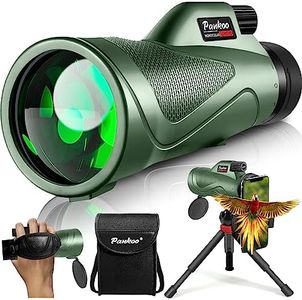
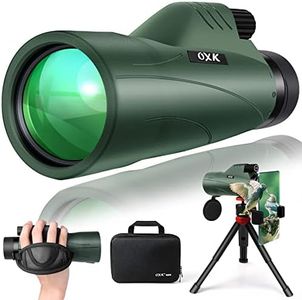
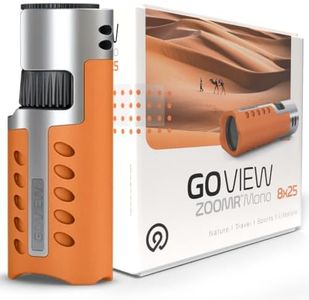
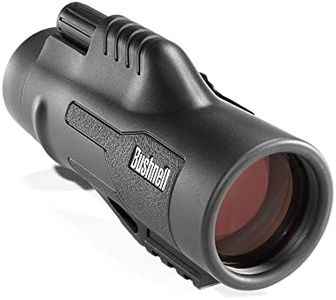


Our technology thoroughly searches through the online shopping world, reviewing hundreds of sites. We then process and analyze this information, updating in real-time to bring you the latest top-rated products. This way, you always get the best and most current options available.

Our Top Picks
Winner
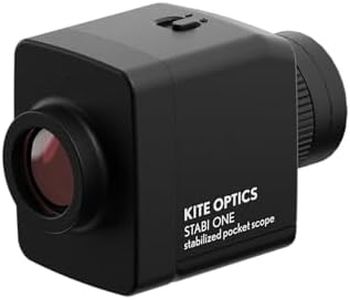
Kite Optics 10x20 Stabi One, Image Stabilized Pocket Monocular, Ultra Compact and Lightweight, 4.5 Oz, AAA Battery, Waterproof IPX1, Birdwatching, Hunting & Outdoor Activities
The Kite Optics 10x20 Stabi One stands out as an ultra-compact monocular that fits comfortably in your pocket, weighing just 4.5 ounces and measuring smaller than a wallet. It offers a fixed 10x magnification with a 20mm objective lens, which is quite small but helps keep the device lightweight and portable. A key highlight is its advanced image stabilization system that reduces hand shakiness, making it easier to see steady, clear images at 10x zoom—a feature rare in such small monoculars. The field of view is 5.15 degrees, which is decent for tracking birds or wildlife but not particularly wide. It uses manual focus and requires a single AAA battery for the stabilization system, with an IPX1 waterproof rating that offers some protection against light rain but isn’t fully waterproof or fogproof like higher-end models.
The monocular can also clip onto your smartphone to boost its zoom capabilities significantly, which is great for casual digiscoping without bulky equipment. However, the small 20mm lens limits brightness and detail in low-light conditions compared to larger lenses, and the waterproof rating may be insufficient for heavy outdoor use. This model is ideal for travelers, hikers, or birdwatchers looking for a highly portable, stabilized monocular that enhances smartphone zoom, but it is less suited for demanding or wet environments where more rugged optics are needed.
Nocs Provisions Zoom Tube 8x32 Monocular, 8X Magnification Telescope, Bak4 Prism, Wide Field of View for Bird Watching, Backpacking & Wildlife Viewing - Juniper Green II
Most important from
440 reviews
The Nocs Provisions Zoom Tube 8x32 monocular is a lightweight and compact option, weighing just 9.5 ounces, making it easy to carry for bird watching, hiking, and wildlife viewing. Its 8x magnification and 32mm objective lens provide a good balance between zoom power and brightness, delivering clear images through the fully multi-coated lenses which enhance clarity and color. The wide field of view (about 384 feet at 1000 yards) helps you track moving subjects easily.
The monocular features a Bak4 prism known for sharp and bright visuals, and it has a central focus system that is straightforward to adjust. The IPX4 water resistance rating means it can handle rain and fog, though it is not fully waterproof for submersion. Additional practical touches include a twist-up eyecup that suits eyeglass wearers, a rubberized grip for secure handling, and compatibility with a tripod for steady viewing.
Its size and design make it an excellent choice for outdoor enthusiasts seeking portability without sacrificing image quality. However, if you need higher magnification or a larger lens diameter for very distant viewing or low-light conditions, this model might feel somewhat limited.
Most important from
440 reviews
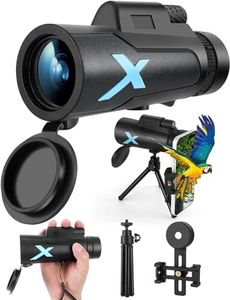
Monocular-Telescope 80x100 High Powered Monoculars High Definition for Adults High Powered with Smartphone Adapter Telescope Bird Watching Travel Camping Hiking
The PhysioPhyx 80x100 monocular offers very high zoom magnification, which helps you see distant objects in detail—making it great for bird watching, hiking, and wildlife observation. It includes a smartphone adapter and tripod, allowing you to easily attach your phone for photos or videos, which is a handy feature for sharing your outdoor experiences. The rubber-coated body provides a comfortable, non-slip grip and protects the device from minor bumps, so it’s built to handle outdoor use. The dual focus wheel system lets you quickly adjust the view for sharp images at various distances.
Its objective lens is only 21mm wide, which is relatively small and may limit how much light enters, potentially affecting clarity in low light conditions. It weighs about 1 pound and has a compact size, making it reasonably portable but not ultra-light for long hikes. This monocular suits casual outdoor enthusiasts who want strong zoom and smartphone compatibility, but those needing sturdier weather resistance or better low-light performance might want to consider other options.
Buying Guide for the Best Monocular Telescopes
Choosing the right monocular telescope can greatly enhance your outdoor experiences, whether you're bird watching, hiking, or stargazing. A monocular telescope is a compact, lightweight optical device that allows you to see distant objects more clearly. To find the best fit for you, it's important to understand the key specifications and how they align with your needs.FAQ
Most Popular Categories Right Now


