We Use CookiesWe use cookies to enhance the security, performance, functionality and for analytical and promotional activities. By continuing to browse this site you are agreeing to our privacy policy

10 Best Octave Pedal 2026 in the United States
How do we rank products for you?

Our technology thoroughly searches through the online shopping world, reviewing hundreds of sites. We then process and analyze this information, updating in real-time to bring you the latest top-rated products. This way, you always get the best and most current options available.

headphones-stars

Our Top Picks

#1

Winner

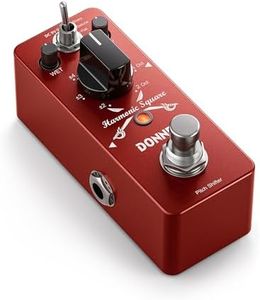
Donner Octave Guitar Pedal, Harmonic Square Digital Octave Mini Pedal Pitch Shifter 7 Shift Types 3 Tone Modes Sharp Detune Flat True Bypass

Rating
10.0
Chosen by1,434
Tracking
Tone Control
Bypass Type

Most important from
1658 reviews

Tracking
Digital tracking works well for single notes and simpler playing styles, though it may be less precise with complex chords or fast passages.
Tone Control
Its versatile pitch shifting with multiple shift types and tone modes provides a wide palette of sounds without needing multiple pedals.
Bypass Type
The pedal maintains a clean, transparent signal path with true bypass, ensuring your original guitar tone stays pure when the effect is off.
Build Quality
The solid aluminum alloy case withstands regular gigging and practice, making it reliable for long-term use.

The Donner Octave Guitar Pedal offers a versatile pitch shifting experience with 7 shift types and 3 tone modes (Sharp, Flat, and Detune), giving you 21 different sound options to experiment with. This makes it a good choice if you want a variety of octave and pitch effects without needing multiple pedals. The pedal features separate WET and DRY knobs, which let you balance your original and octave sounds easily, providing more control over the mix. It uses true bypass, ensuring it won’t affect your guitar’s tone when the pedal is off, keeping your sound clean.

The pedal is built with a solid aluminum alloy case, designed to withstand regular gigging or practice sessions without trouble. As a digital pedal, it offers good tracking for most uses, though it might not be as precise or smooth as higher-end or analog octave pedals, especially when playing complex chords or fast passages. It is generally well suited for single notes or simpler playing styles.

The Donner Octave Pedal requires a 9V adapter with specific power needs, which is not included, so you will need to purchase that separately. This pedal provides a solid, budget-friendly option for guitarists and bassists looking for a compact octave effect with a decent range of sounds and reliable tone control. For those requiring very high tracking accuracy or advanced polyphony, more specialized models may be worth considering.

Rating
10.0
Chosen by1,434
Tracking
Tone Control
Bypass Type

Most important from
1658 reviews

Tracking
Digital tracking works well for single notes and simpler playing styles, though it may be less precise with complex chords or fast passages.
Tone Control
Its versatile pitch shifting with multiple shift types and tone modes provides a wide palette of sounds without needing multiple pedals.
Bypass Type
The pedal maintains a clean, transparent signal path with true bypass, ensuring your original guitar tone stays pure when the effect is off.
Build Quality
The solid aluminum alloy case withstands regular gigging and practice, making it reliable for long-term use.
#2

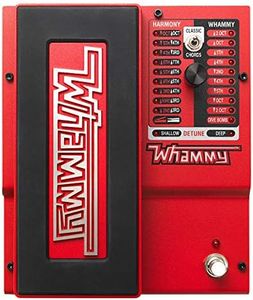
DigiTech Whammy (5th Gen) 2-Mode Pitch-shift Effect with True Bypass

Rating
7.9
Range
Polyphony
Tone Control

Most important from
570 reviews

Range
The pedal allows switching between multiple tunings on a single guitar, eliminating the need to bring several guitars to gigs.
Polyphony
Polyphonic pitch shifting sounds remarkably natural and handles chords without getting confused, unlike many other pitch shifters.
Tone Control
Classic pitch shifting functions add a fun and versatile range of sonic possibilities.
Bypass Type
The momentary switch offers creative control by engaging or disengaging drop tune effects only while pressed, enhancing playability.
Build Quality
The pedal is built solidly and is more compact than expected, making it a durable choice for regular use.

The DigiTech Whammy (5th Gen) pedal is a well-known pitch-shifting effect offering iconic sounds used by many guitarists. It provides 10 pitch-shift settings, including classic Whammy and harmony options, allowing players to explore a variety of creative tones. Its tracking capability is solid for an analog signal format, ensuring your pitch shifts stay relatively accurate, although it might not be as precise as some high-end digital pedals. In terms of range, it covers a useful selection of pitch intervals suitable for expressive playing, but it doesn’t focus on octave-only shifts exclusively—it blends in multiple harmony and detune options too.

Polyphony is typical for this type of pedal: it can handle chords reasonably well with its Chordal Whammy feature, though very complex chords might sometimes lose clarity. The pedal uses true bypass, which is a plus for maintaining your guitar’s natural tone when the effect is off. Tone control is more about selecting presets rather than detailed EQ adjustments, so it’s straightforward but limited if you want precise tone shaping. Build quality is robust, with a sturdy metal chassis and a reliable 9V power supply included, making it durable for regular use. Its size and weight are manageable but a bit heavier than some smaller pedals, which could affect pedalboard space.

This pedal suits players seeking classic and creative pitch-shifting sounds with dependable performance and easy controls, especially in rock and experimental genres. For those needing ultra-precise tracking, extensive tone-shaping, or dedicated octave shifting, there are more specialized options available.

Rating
7.9
Range
Polyphony
Tone Control

Most important from
570 reviews

Range
The pedal allows switching between multiple tunings on a single guitar, eliminating the need to bring several guitars to gigs.
Polyphony
Polyphonic pitch shifting sounds remarkably natural and handles chords without getting confused, unlike many other pitch shifters.
Tone Control
Classic pitch shifting functions add a fun and versatile range of sonic possibilities.
Bypass Type
The momentary switch offers creative control by engaging or disengaging drop tune effects only while pressed, enhancing playability.
Build Quality
The pedal is built solidly and is more compact than expected, making it a durable choice for regular use.
#3

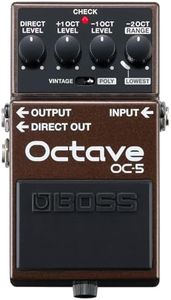
BOSS Octave Pedal (OC-5)

Rating
7.9
Tracking
Polyphony
Bypass Type

Most important from
374 reviews

Tracking
The pedal delivers fast, reliable tracking with a unique feature that applies the octave effect only to the lowest note in polyphonic mode, making it excellent for fingerpicking and clear octave sounds.
Polyphony
Its polyphonic tracking is impressive enough to handle unusual keys and complex playing styles, effectively acting as a versatile 'bass player' that follows chords with precision.
Bypass Type
The OC-5's dry direct output and buffered bypass maintain signal integrity and tone strength even when the pedal is off, which is highly appreciated for live setups.
Build Quality
The pedal is praised as a well-built, durable unit that offers substantial value and sound quality for its price, continuing the legacy of the respected OC series from BOSS.

The BOSS OC-5 is a versatile octave pedal designed for both guitar and bass players who want solid polyphonic octave effects. It offers two modes: mono mode for classic single-note octave tracking and poly mode that can handle chords, with the unique ability to apply the octave effect only to the lowest note in poly mode. This makes it great for players who want clear, well-defined octaves without muddiness. The pedal’s tracking is reliable, thanks to its analog signal format, which helps maintain a natural tone and quick response. You get a dry direct output that preserves your original sound alongside the effected signal, offering flexibility in your setup.

Tone control options are somewhat basic here, mainly relying on the pedal’s inherent sound quality rather than extensive EQ controls. The OC-5 uses a buffered bypass, ensuring your tone stays strong even when the pedal is off, which is beneficial for signal integrity. Build quality is solid with a mix of metal and plastic components, making it durable enough for regular gigging but still lightweight at just over a pound. Some users might find the lack of more advanced tone-shaping features limiting, especially if they want to heavily customize their octave sound.

While polyphonic tracking is impressive, it may not be perfect for very complex chord work. The OC-5 serves as a reliable, well-built pedal ideal for players seeking natural-sounding, clean octave effects with solid tracking and good polyphony, although it may not satisfy those needing deep tone controls.

Rating
7.9
Tracking
Polyphony
Bypass Type

Most important from
374 reviews

Tracking
The pedal delivers fast, reliable tracking with a unique feature that applies the octave effect only to the lowest note in polyphonic mode, making it excellent for fingerpicking and clear octave sounds.
Polyphony
Its polyphonic tracking is impressive enough to handle unusual keys and complex playing styles, effectively acting as a versatile 'bass player' that follows chords with precision.
Bypass Type
The OC-5's dry direct output and buffered bypass maintain signal integrity and tone strength even when the pedal is off, which is highly appreciated for live setups.
Build Quality
The pedal is praised as a well-built, durable unit that offers substantial value and sound quality for its price, continuing the legacy of the respected OC series from BOSS.

Buying Guide for the Best Octave Pedal

Choosing the right octave pedal can significantly enhance your guitar playing experience by adding depth and dimension to your sound. An octave pedal shifts the pitch of your guitar signal up or down by one or more octaves, creating a fuller and more dynamic tone. To find the best octave pedal for your needs, it's important to understand the key specifications and how they impact the pedal's performance. Here are the main specs to consider when selecting an octave pedal.
TrackingTracking refers to how accurately and quickly the pedal can follow the notes you play and produce the corresponding octave effect. Good tracking ensures that the octave effect is smooth and precise, without any glitches or delays. Poor tracking can result in a choppy or out-of-sync sound. If you play fast or complex passages, look for a pedal with excellent tracking capabilities. For simpler, slower playing, a pedal with decent tracking should suffice.
RangeThe range of an octave pedal indicates how many octaves up or down it can shift your signal. Some pedals offer a single octave up or down, while others provide multiple octave options. A wider range allows for more versatility in your sound. If you want to experiment with different octave effects, choose a pedal with a broader range. If you prefer a specific octave shift, a pedal with a narrower range might be more suitable.
PolyphonyPolyphony refers to the pedal's ability to handle multiple notes at once. Monophonic pedals can only process one note at a time, while polyphonic pedals can handle chords and multiple notes simultaneously. If you often play chords or complex melodies, a polyphonic pedal will be more beneficial. For single-note lines or simpler playing styles, a monophonic pedal may be sufficient.
Tone ControlTone control allows you to adjust the sound of the octave effect, such as adding more bass or treble. This feature can help you fine-tune the pedal to match your desired sound. If you like to have control over your tone and want to shape the octave effect to fit different musical contexts, look for a pedal with comprehensive tone control options. If you prefer a straightforward sound, a pedal with basic tone control will do the job.
Bypass TypeBypass type refers to how the pedal handles your signal when it is turned off. True bypass pedals completely remove the effect from your signal chain, preserving your original tone. Buffered bypass pedals maintain the effect in the signal chain, which can help prevent signal loss over long cable runs. If maintaining your original tone is crucial, opt for a true bypass pedal. If you have a complex setup with long cables, a buffered bypass pedal might be more suitable.
Build QualityBuild quality is important for the durability and longevity of the pedal. A well-built pedal can withstand the rigors of regular use and transport. Look for pedals made with sturdy materials and solid construction. If you plan to use the pedal frequently or take it on the road, prioritize build quality. For occasional use at home, a less rugged build may be acceptable.

FAQ

Most Popular Categories Right Now