10 Best PTZ Cameras 2026 in the United States


Related Products
Up to 10% off
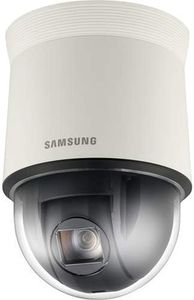
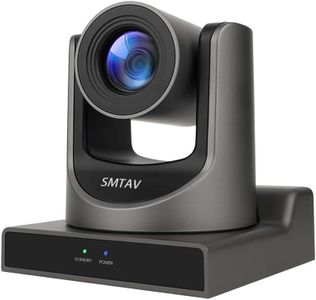
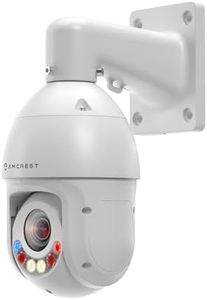


Our technology thoroughly searches through the online shopping world, reviewing hundreds of sites. We then process and analyze this information, updating in real-time to bring you the latest top-rated products. This way, you always get the best and most current options available.

Our Top Picks
Winner
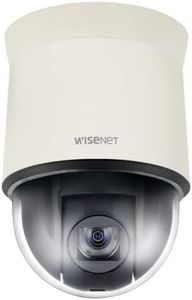
Hanwha Techwin XNP-6400 2MP, 40x PTZ Camera Increased Look-up tilt Range
The Hanwha Techwin XNP-6400 is a solid choice if you're looking for a reliable outdoor PTZ camera. It offers a good 2MP (1080p) resolution which is clear enough for most surveillance needs. The standout feature is its powerful 40x optical zoom combined with a 360-degree continuous pan and an increased look-up tilt range, giving you wide and flexible viewing angles to monitor large areas effectively.
Night vision is supported with IR illumination and true day/night functionality, so it handles low light situations well. It also includes advanced video features like WiseStream II compression to save bandwidth and extreme wide dynamic range to improve image quality in challenging lighting. Connectivity is primarily wired Ethernet with support for Wi-Fi, which means stable connections but might require some setup. Control is straightforward with PTZ technology and an iris controller, though audio features need an additional I/O box for detection and classification, so out-of-the-box sound capability is limited.
The camera is built tough with an aluminum and polycarbonate hard-coated dome, making it durable and weather-resistant for outdoor use. On the downside, it is somewhat heavy at 7 pounds and runs on corded power, which may limit placement flexibility compared to wireless or battery options. Digital zoom is available but optical zoom is more important for clarity at distance. This camera is suitable for outdoor surveillance where detailed zoom, wide coverage, and robust build are priorities, though if you require built-in audio or wireless power options, you might consider other models.
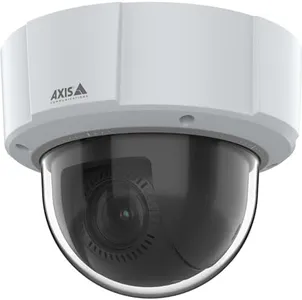
Axis Communication 01925-004 AXIS Q6315-LE 60Hz PTZ Network Camera
Most important from
1 reviews
The Axis Q6315-LE is a strong choice if you're looking for a reliable outdoor PTZ camera for surveillance. It offers sharp HDTV 1080p resolution, which delivers clear video that helps identify details well. The camera boasts a powerful 32x optical zoom, allowing you to focus closely on distant subjects without losing image quality. Its pan and tilt capabilities are good for covering wide areas. For night or low-light conditions, the built-in Lightfinder technology and Night Color mode enhance visibility, providing usable color images even in challenging lighting.
Connectivity is wired with support for ONVIF protocol, making it compatible with many network video setups, which is typical for professional surveillance environments. Included with the camera are useful components like a power midspan and an IP66-rated network connector, ensuring stable installation and operation outdoors. The camera also has strong weather resistance with an IP67 rating, meaning it can handle dust and water, ideal for outdoor setups exposed to the elements.
The control interface includes an iris controller type, giving solid manual control over the camera's lens settings, important for fine-tuned surveillance. The camera is relatively large and heavy (15 pounds), so mounting it securely is necessary. It features autotracking to follow moving objects, which might require some setup and a compatible control system. The Axis Q6315-LE is well suited for users needing a durable, high-quality outdoor PTZ camera with excellent zoom and low-light performance, especially for professional or business security. If audio recording or wireless connectivity is a priority, you may want to consider other options.
Most important from
1 reviews
AXIS outdoor P5655-E PTZ Network Camera, 1080p
The AXIS P5655-E is a solid choice if you're looking for an outdoor PTZ camera with sharp 1080p HD video quality. It offers a powerful 32x optical zoom, letting you clearly see details from far away, which is great for surveillance over large areas. The camera supports remote control, making it easy to pan and tilt to cover wide spaces without needing to reposition it physically. It also features night color vision, improving visibility in low light conditions, though it may not match the clarity of some higher-end models designed specifically for dark environments.
Connectivity is flexible, supporting both wired and Wi-Fi options, which adds convenience depending on your setup. The camera's build is weather-resistant with an IP54 rating, meaning it can handle dust and water splashes but might struggle in very harsh weather. It includes useful accessories like ceiling mounts and an RJ45 connector for secure installation. While it doesn't highlight advanced audio features, its main focus is reliable video surveillance.
This camera suits businesses or property owners who want dependable, clear video coverage with versatile zoom and remote control. Potential buyers should consider weather exposure levels and ease of use based on their specific needs, as the waterproof rating is not top-tier for extreme outdoor conditions and setup or control interface may be less user-friendly for some users.
Buying Guide for the Best PTZ Cameras
PTZ cameras, or Pan-Tilt-Zoom cameras, are versatile devices commonly used for surveillance, live streaming, and video conferencing. They offer the ability to remotely control the camera's movement and zoom, making them ideal for covering large areas or capturing detailed close-ups. When choosing a PTZ camera, it's important to consider several key specifications to ensure you select the best fit for your needs.FAQ
Most Popular Categories Right Now


