We Use CookiesWe use cookies to enhance the security, performance, functionality and for analytical and promotional activities. By continuing to browse this site you are agreeing to our privacy policy

10 Best Pulsar Generators 2026 in the United States
How do we rank products for you?

Our technology thoroughly searches through the online shopping world, reviewing hundreds of sites. We then process and analyze this information, updating in real-time to bring you the latest top-rated products. This way, you always get the best and most current options available.

headphones-stars

Our Top Picks

#1

Winner

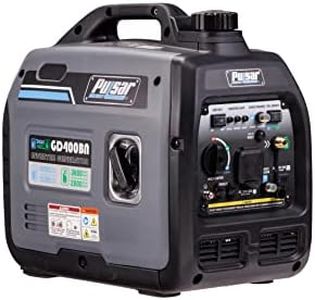
Pulsar Products GX400BN, 4000W Portable Ultra-Quiet Dual Fuel & Parallel Capability, RV-Ready, Handle & Wheels, with CO

Rating
10.0
Chosen by1,265
Power Output (Wattage)
Fuel Type
Run Time

Most important from
1672 reviews

Power Output (Wattage)
Delivers impressive continuous power with 3200 running watts and a 4000-watt surge, easily handling appliances like truck camper A/C units and block heaters.
Fuel Type
Dual-fuel capability offers great convenience, allowing seamless switching between gasoline and propane to avoid fuel storage issues and ensure reliable operation.
Run Time
Fuel efficiency on propane is economical, supporting extended use without frequent refills, and the moderate 1.18-gallon tank balances runtime with portability.
Portability
Portability is excellent given its 55-pound weight, with a trolley-style handle and wheels making it easy to move, even fitting into tight camper compartments.
Noise Level
Runs quietly for its output class, with noise levels close to half the decibels of comparable models while producing nearly twice the power.
Starting Mechanism
Manual start requires a firm pull, especially on propane, but the engine fires up reliably after a couple of pulls.

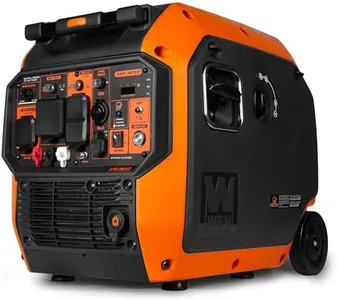
The Pulsar GX400BN is a portable inverter generator that offers a solid 3200 running watts on gasoline and 2800 watts on propane, making it suitable for camping, RV use, and emergency home backup. It runs on either gasoline or propane, which adds flexibility if fuel availability is a concern. Its 5.5HP engine provides reliable power with a peak of 4000 watts, enough to power essential appliances and tools. The generator is designed with portability in mind—though it weighs 55 pounds, it includes a trolley-style handle and wheels, making it easier to move around compared to heavier models.

One of its strong points is its relatively quiet operation at about 62 decibels at half load, which is less noisy than many traditional generators, so it won’t be too disruptive during use. It also has safety features like a carbon monoxide sensor, low oil shutdown, and overload protection, adding peace of mind when used indoors or near living spaces. The starting mechanism is a manual compression ignition, which is typical for generators in this class and generally reliable, though it requires a little effort to start.

The fuel tank holds 1.18 gallons, providing a moderate runtime that should cover most short- to medium-duration needs but might require refilling during extended use. While it performs well as a dual-fuel option with easy portability and quiet operation, the weight and manual start might be considerations if you need something ultra-light or very quick to start. It represents a versatile choice for those who want a balance of power, fuel options, and convenience without too much noise.

Rating
10.0
Chosen by1,265
Power Output (Wattage)
Fuel Type
Run Time

Most important from
1672 reviews

Power Output (Wattage)
Delivers impressive continuous power with 3200 running watts and a 4000-watt surge, easily handling appliances like truck camper A/C units and block heaters.
Fuel Type
Dual-fuel capability offers great convenience, allowing seamless switching between gasoline and propane to avoid fuel storage issues and ensure reliable operation.
Run Time
Fuel efficiency on propane is economical, supporting extended use without frequent refills, and the moderate 1.18-gallon tank balances runtime with portability.
Portability
Portability is excellent given its 55-pound weight, with a trolley-style handle and wheels making it easy to move, even fitting into tight camper compartments.
Noise Level
Runs quietly for its output class, with noise levels close to half the decibels of comparable models while producing nearly twice the power.
Starting Mechanism
Manual start requires a firm pull, especially on propane, but the engine fires up reliably after a couple of pulls.
#2

Pulsar 7,250-Watt Super Quiet Dual Fuel Inverter Generator with Remote Start

Rating
8.5
Power Output (Wattage)
Fuel Type
Portability

Most important from
98 reviews

Power Output (Wattage)
Delivers powerful and stable output with all specifications met or exceeded, including consistent voltage and frequency under various loads.
Fuel Type
Dual fuel capability offers great flexibility, with seamless switching between gasoline and propane, and can even be adapted to run on natural gas with some adjustment.
Portability
Sturdy and well-built with a robust frame, though weighing around 118 pounds means it’s not designed for frequent relocation.
Noise Level
Runs noticeably quieter than many comparable generators, making it ideal for residential and camping use where noise is a concern.
Starting Mechanism
Starts instantly on gasoline, even after storage, rivaling more expensive brands in quick ignition performance.

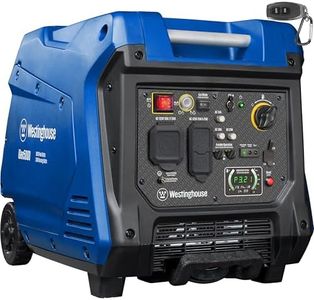
The Pulsar 7,250-Watt Dual Fuel Inverter Generator offers strong power output with 7,250 peak watts on gasoline and 6,500 peak watts on propane, making it suitable for a variety of uses from camping to commercial applications. It runs up to 8 hours on a full tank, which is decent for its size but could be limiting for longer power outages. The dual fuel capability (gasoline and propane) provides flexibility depending on fuel availability and preferences.

Despite weighing 118 pounds, the generator features a sturdy frame and multiple starting options (remote, electric, and recoil), which add convenience, though the weight means it's not the most portable generator if you need to move it frequently. Its noise level is described as super quiet, beneficial for use in residential areas or campsites where low noise is appreciated. The built-in inverter ensures safe power for sensitive electronics, and the digital control center helps you monitor usage easily. Safety features like overload protection, low oil shutdown, and a carbon monoxide sensor enhance reliability and peace of mind.

The generator includes multiple outlet types and a parallel capability to connect two units for more power, adding versatility. If you need a versatile, relatively quiet generator with solid power and dual fuel options, this Pulsar model is a good fit, particularly if mobility is not your top priority.

Rating
8.5
Power Output (Wattage)
Fuel Type
Portability

Most important from
98 reviews

Power Output (Wattage)
Delivers powerful and stable output with all specifications met or exceeded, including consistent voltage and frequency under various loads.
Fuel Type
Dual fuel capability offers great flexibility, with seamless switching between gasoline and propane, and can even be adapted to run on natural gas with some adjustment.
Portability
Sturdy and well-built with a robust frame, though weighing around 118 pounds means it’s not designed for frequent relocation.
Noise Level
Runs noticeably quieter than many comparable generators, making it ideal for residential and camping use where noise is a concern.
Starting Mechanism
Starts instantly on gasoline, even after storage, rivaling more expensive brands in quick ignition performance.
#3

Pulsar 9500W Tri Fuel Gasoline Propane Natural Gas Portable Inverter Generator w/Remote Start & CO Sentry for Home Use GS95TiSCO

Rating
8.2
Power Output (Wattage)
Fuel Type
Run Time

Most important from
58 reviews

Power Output (Wattage)
It delivers reliable whole-house power, handling significant loads including air conditioning and kitchen appliances without issue.
Fuel Type
Propane runs smoothly for extended periods, providing steady power without the hassles of gasoline storage or degradation.
Run Time
Propane runs smoothly for extended periods, providing steady power without the hassles of gasoline storage or degradation.
Portability
Despite its weight, the built-in wheels and handles make moving the unit manageable when needed.
Noise Level
Quiet operation stands out for a unit of this power, making it suitable for residential use without disturbing neighbors.
Starting Mechanism
The generator starts quickly and easily using either the push-button or pull start, making operation straightforward.

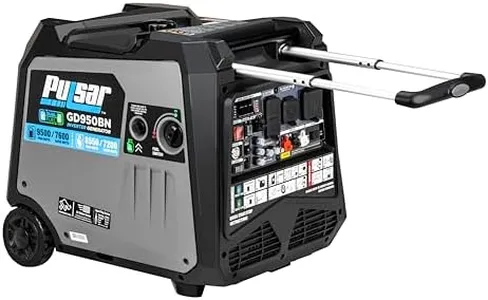
The Pulsar 9500W Tri Fuel Portable Inverter Generator is designed to deliver strong power for residential needs, with a peak output of 9,500 watts and a steady running output of 7,600 watts. Its standout feature is its tri-fuel capability, allowing you to use gasoline, propane, or natural gas, which offers flexibility depending on fuel availability and preference. The inclusion of a CO sensor adds a safety layer by monitoring carbon monoxide levels, which is important for home use. It features an electronic ignition with remote start, making it convenient to operate without manual effort. The generator includes automatic voltage regulation and an automatic shut-down feature, protecting your devices from power surges and preventing damage.

In terms of portability, it weighs 243 pounds and measures about 23 by 29 by 31 inches. While it may not be the lightest option, it remains portable with wheels and handles, though moving it might require some effort. The 1.18-gallon tank supports decent run time, making it suitable for moderate use rather than extended power outages. Inverter generators typically run quieter than traditional models, which helps in residential settings. Some users might find the size and weight bulky compared to smaller, less powerful units.

For those needing a generator that offers versatile fuel options, reliable power output, and safety features for home backup or outdoor activities, this Pulsar model provides a solid choice, though it is important to consider its heavier weight and your fuel preferences.

Rating
8.2
Power Output (Wattage)
Fuel Type
Run Time

Most important from
58 reviews

Power Output (Wattage)
It delivers reliable whole-house power, handling significant loads including air conditioning and kitchen appliances without issue.
Fuel Type
Propane runs smoothly for extended periods, providing steady power without the hassles of gasoline storage or degradation.
Run Time
Propane runs smoothly for extended periods, providing steady power without the hassles of gasoline storage or degradation.
Portability
Despite its weight, the built-in wheels and handles make moving the unit manageable when needed.
Noise Level
Quiet operation stands out for a unit of this power, making it suitable for residential use without disturbing neighbors.
Starting Mechanism
The generator starts quickly and easily using either the push-button or pull start, making operation straightforward.

Buying Guide for the Best Pulsar Generators

When choosing a Pulsar generator, it's important to consider your specific needs and how you plan to use the generator. Whether you need it for home backup, camping, or worksite power, understanding the key specifications will help you make an informed decision. Here are the key specs to consider and how to navigate them to find the best fit for you.
Power Output (Wattage)Power output, measured in watts, indicates how much electricity the generator can produce. This is crucial because it determines what and how many devices you can run simultaneously. Generators typically range from 1,000 watts to over 10,000 watts. For light use, such as camping or running small appliances, a generator with 1,000 to 3,000 watts may suffice. For home backup or powering multiple large appliances, look for 5,000 to 7,500 watts. For heavy-duty use, such as on a construction site, you might need 8,000 watts or more. Assess your power needs by listing the devices you plan to run and their wattage requirements.
Fuel TypeGenerators can run on various types of fuel, including gasoline, propane, and diesel. Gasoline is widely available and convenient for most users, but it has a shorter shelf life. Propane is cleaner burning and can be stored indefinitely, making it a good choice for emergency backup. Diesel generators are more fuel-efficient and durable, ideal for heavy-duty use, but they can be noisier and more expensive. Consider the availability of fuel in your area and how you plan to store it when choosing the fuel type.
Run TimeRun time refers to how long a generator can operate on a full tank of fuel. This is important for determining how often you will need to refuel, especially during extended power outages or long workdays. Generators with larger fuel tanks generally offer longer run times. For occasional use or short power outages, a generator with a run time of 5-8 hours may be sufficient. For longer use, look for models that can run for 10-12 hours or more on a single tank. Consider your typical usage duration and how often you are willing to refuel.
PortabilityPortability is a key factor if you plan to move the generator frequently, such as for camping trips or job sites. Portable generators are designed with wheels and handles for easy transport. They typically weigh less and are more compact. For stationary use, such as home backup, portability may be less of a concern, and you can opt for a larger, more powerful unit. Evaluate how often and where you will need to move the generator to determine the importance of portability.
Noise LevelNoise level, measured in decibels (dB), indicates how loud the generator will be during operation. This is important for user comfort and compliance with noise regulations, especially in residential areas or campsites. Generators can range from 50 dB (quiet) to over 80 dB (loud). For quiet environments, such as camping or residential use, look for generators with a noise level of 50-60 dB. For worksite use, noise may be less of a concern, and you can opt for a louder generator if it meets your power needs. Consider where you will use the generator and any noise restrictions that may apply.
Starting MechanismGenerators can have different starting mechanisms, including manual recoil start, electric start, and remote start. Manual recoil start requires pulling a cord, which can be physically demanding. Electric start uses a push-button or key, making it easier to operate. Remote start allows you to start the generator from a distance, adding convenience. Choose a starting mechanism based on your preference for ease of use and physical capability. Electric and remote starts are generally more user-friendly, especially for those who may have difficulty with manual recoil.

FAQ

Most Popular Categories Right Now