10 Best Rear View Mirror Dash Cams 2026 in the United States

Related Products
Up to 24% off
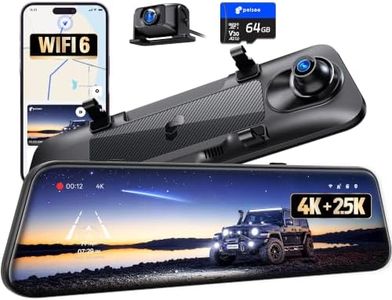
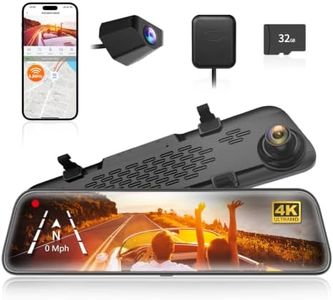
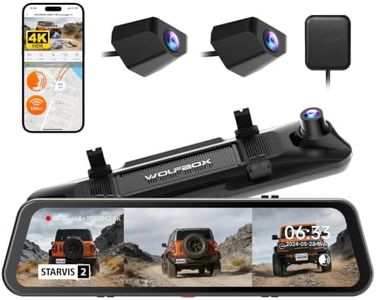
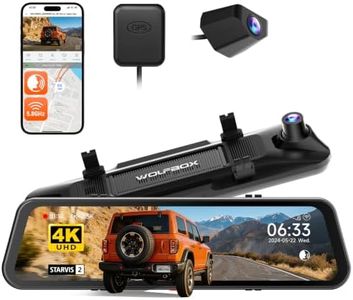
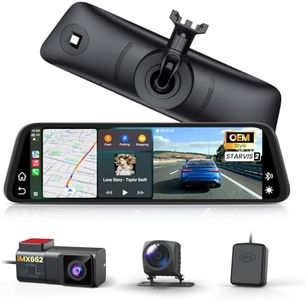
AUTO-VOX
10%OFF
Editor’s Choice
AUTO-VOX Dual 2K OEM Rear View Mirror Camera with Carplay
Recommended lists

Rear View Mirror Dual Camera
Our technology thoroughly searches through the online shopping world, reviewing hundreds of sites. We then process and analyze this information, updating in real-time to bring you the latest top-rated products. This way, you always get the best and most current options available.

Our Top Picks
Winner
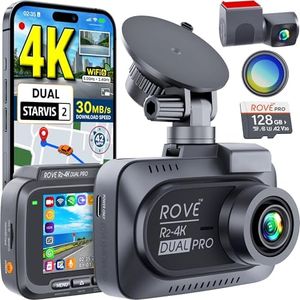
ROVE R2-4K Dual PRO Dash Cam Front and Rear, 4K+2K Dash Camera for Cars, Dual STARVIS 2 IMX678 + IMX675 Sensors, Free 128GB Card + CPL, WiFi 6 - up to 30MB/s Download Speed, 3" IPS, 24Hr Parking Mode
Most important from
591 reviews
The ROVE R2-4K Dual PRO dash cam is an excellent choice for drivers who want sharp, detailed recordings both in front and behind their vehicle. It captures stunning 4K video at the front and 2K at the rear with a wide field of view (150° front and 140° rear), ensuring you catch even small details like license plates and road signs. Thanks to Sony’s advanced STARVIS 2 sensors, the camera performs very well in low light and night conditions, reducing glare and motion blur for clearer footage when it matters most.
This dash cam comes with a bright 3-inch IPS screen, making it easy to see what’s being recorded without needing a smartphone. Speaking of smartphones, it supports high-speed WiFi 6 for quick wireless transfers of large 4K videos through the ROVE app, which also helps manage settings and firmware updates. A standout feature is the built-in quad-mode GPS that tracks your route, speed, and position, which is helpful for reviewing trips and verifying incidents. The included 128GB microSD card is generous, and the system supports up to 1TB, so running out of storage won’t be a concern.
Parking mode is available 24/7 with options for time-lapse, motion, and collision detection, but to use it fully, you’ll need to buy a hardwire kit separately. The included CPL filter is a nice bonus that reduces windshield glare for clearer images. While the ROVE R2-4K Dual PRO is packed with high-end features suitable for most vehicles—from cars to trucks—the slightly smaller screen and the need for extra accessories for parking mode may be minor inconveniences. Its combination of video quality, reliable night vision, GPS functionality, and easy wireless connectivity makes this dash cam a strong contender for anyone looking to protect their car and capture their driving experience in great detail.
Most important from
591 reviews
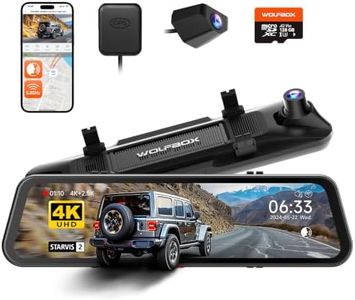
WOLFBOX G900 PRO Mirror Dash Cam with 8MP STARVIS IMX678, 12 inches Rear View Mirror Camera with Front 4K and Rear 2.5K, Included 128GB Card, Voice Control, 5.8GHz WiFi, Loop Recording, G-Sensor & GPS
Most important from
1032 reviews
The WOLFBOX G900 PRO mirror dash cam is a solid choice if you want high-quality footage from both front and rear cameras. It offers impressive front 4K resolution and 2.5K rear recording, providing clear, detailed video that can be very helpful for road safety and evidence in case of incidents. The 170-degree field of view covers a wide angle, and the STARVIS IMX678 sensor ensures good night vision, capturing clearer images in low light conditions than many competitors. The large 12-inch screen is convenient for viewing recordings directly on the mirror without needing an extra device. It also includes built-in GPS, which tracks your location and speed, useful for reviewing trips.
Storage-wise, it comes with a generous 128GB memory card and supports up to 512GB, meaning you can store many hours of footage before needing to delete files. The dash cam supports parking mode, but you'll have to buy a separate hardware kit to enable 24-hour surveillance when your car is parked. Additional features like voice control and 5.8GHz WiFi make it easy and safe to operate, letting you manage the device without distraction or quickly transfer videos to your phone. The built-in G-sensor helps protect important recordings by locking files if it detects sudden impacts.
A small downside is the need for that extra hardware purchase to fully use parking mode, which can add to the cost. Also, although the device is relatively easy to install, the various cables and components might require some patience during setup. The WOLFBOX G900 PRO mirror dash cam is well-suited for drivers who want high-resolution dual-camera recording with a large display and smart features, especially if capturing clear video day and night is a priority.
Most important from
1032 reviews
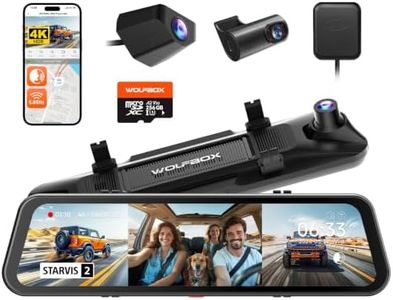
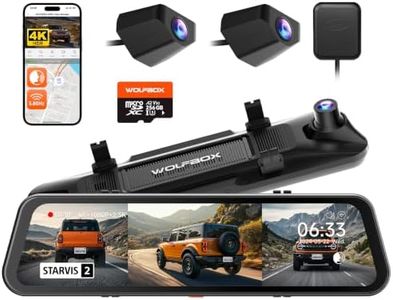
WOLFBOX G900 Tripro 3 Channel 4K Rear View Mirror Camera,8MP STARVIS IMX678
Most important from
290 reviews
The WOLFBOX G900 Tripro is a solid choice for anyone wanting a high-quality rear-view mirror dash cam with thorough coverage. It records in impressive 4K resolution from the front camera, 2.5K for the rear, and 1080P inside the vehicle, giving you clear and detailed footage from all angles. Its 170-degree wide field of view means it captures a broad scene, which is great for catching important details on the road. Night vision is handled very well thanks to the STARVIS 2 IMX678 sensor and Purecel Plus technology in the rear camera, making low-light and nighttime recordings much clearer than average. The built-in GPS tracks your driving route, while the included 256GB storage card offers plenty of space to save videos without needing to delete files often. The 12-inch screen is large and easy to view, and the mirror mount keeps the device discreet. Convenient features like 5.8GHz WiFi and voice control allow you to operate the camera hands-free and quickly access footage on your smartphone.
The dash cam also supports parking mode to monitor your vehicle while parked, but note that an additional hardware kit is needed to activate this feature. One minor drawback is the need to buy this parking hardware separately, which adds to the cost and setup complexity. Additionally, although the device is quite feature-packed, its weight and size are on the larger side for a mirror cam, which may require some adjustment. This makes the WOLFBOX G900 Tripro ideal for drivers looking for sharp video quality, strong night vision, and extensive coverage, especially if you want a reliable all-in-one mirror dash cam with useful extras like GPS and voice commands.
Most important from
290 reviews
Buying Guide for the Best Rear View Mirror Dash Cams
Choosing the right rear-view mirror dash cam can significantly enhance your driving experience by providing added security and convenience. These devices combine the functionality of a rear-view mirror with the recording capabilities of a dash cam, capturing footage of the road ahead and sometimes behind you. When selecting a rear-view mirror dash cam, it's important to consider several key specifications to ensure you get the best fit for your needs.FAQ
Most Popular Categories Right Now


