10 Best Robotics Kits 2026 in the United States

Related Products


Recommended lists
Robotics Starter Kits
Our technology thoroughly searches through the online shopping world, reviewing hundreds of sites. We then process and analyze this information, updating in real-time to bring you the latest top-rated products. This way, you always get the best and most current options available.

Our Top Picks
Winner
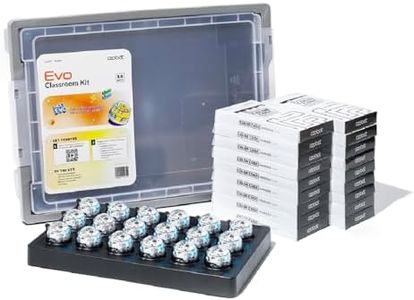
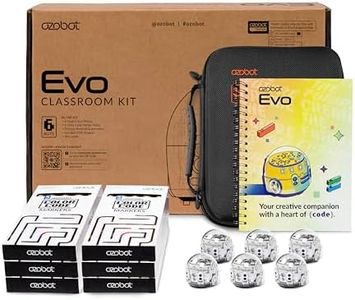
Ozobot Evo 18 Bot Classroom Kit | Ages 5-11 | STEM Coding for Schools
Most important from
581 reviews
The Ozobot Evo Classroom Kit offers a solid robotics solution for K-12 STEM education, especially useful for schools and teachers introducing coding to students at different skill levels. It includes 18 small, durable robots that can be programmed in two ways: using colorful markers on paper (screen-free coding) or through a visual drag-and-drop programming language called Ozobot Blockly. This flexibility allows kids to start with basic, hands-on coding before moving to digital programming. The kit also comes with over 700 free lesson plans that cover a wide variety of STEAM topics, making it easier for educators to integrate robotics into their curriculum without needing advanced tech knowledge. The included accessories, like a wireless charging cradle and labeling stickers, help keep a classroom organized and the robots powered up efficiently.
The kit is well-suited for group activities and encourages creativity and problem-solving, making it ideal for younger beginners and intermediate students rather than advanced users looking for complex robotics projects. While it covers many subjects broadly, the expandability is somewhat limited compared to kits that allow building custom hardware or more advanced sensors. This kit serves as a classroom-friendly, engaging way to introduce diverse coding skills and STEAM concepts to children in an accessible and interactive manner.
Most important from
581 reviews
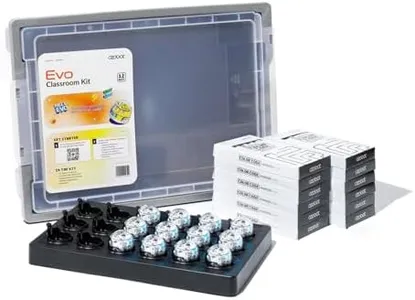
Ozobot Evo 12 Bot Classroom Kit | Ages 5-11 | STEM Coding for Schools
Most important from
581 reviews
The Ozobot Evo 12 Bot Classroom Kit is designed primarily for young learners aged 5 to 11, making it a great fit for early STEM education in classrooms. It offers two ways to code: using colorful markers on paper or visually programming online with Blockly, which supports beginners and gradually introduces more advanced coding concepts. This flexibility helps kids with different learning styles and skill levels. With 12 robots and marker sets included, it’s ideal for group activities or individual learning sessions.
The kit’s strong point is its extensive educational content, featuring over 700 free lessons that cover science, technology, engineering, arts, and math subjects. This depth boosts critical thinking and problem-solving skills beyond just basic coding, making the kit more than just a toy. The robots themselves are durable and designed for classroom use, and the wireless charging cradle simplifies keeping them powered up during busy school days.
On the downside, while the kit encourages creativity and collaboration, the programming options are mainly visual and screen-free coding, which might not appeal to older kids looking for text-based coding or more advanced robotics components like motors or complex sensors. Expandability is somewhat limited compared to kits that allow hardware customization. However, the strong support from Ozobot’s community and abundant lesson plans help overcome this by providing plenty of project ideas and troubleshooting help. This kit is a solid choice for educators seeking a ready-to-use, engaging robotics learning experience for younger students, especially in group settings. It excels in making coding accessible and fun but may feel basic for older or more experienced learners who want deeper hardware tinkering.
Most important from
581 reviews
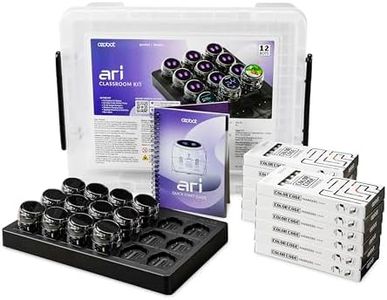
Ozobot Ari 12 Bot Classroom Kit | Ages 8-14 | STEM Coding for Schools
Most important from
8 reviews
The Ozobot Ari Classroom Kit is designed for STEM education, especially suitable for classrooms or homeschooling environments with multiple students, as it includes 12 interactive robots. It targets a wide age range (8 years and up), making it accessible for beginners and intermediate learners interested in robotics and coding. Its standout feature is the vibrant built-in touch screen on each bot, which encourages hands-on interaction and real-time feedback, helping students engage more naturally with learning activities.
The kit supports motion-based learning through built-in sensors like an accelerometer, gyroscope, and time-of-flight sensor, enabling students to explore physics and obstacle detection in a practical way. AI integration personalizes the learning experience, adapting to different student needs and creativity, which is a modern approach to keep lessons dynamic and relevant.
This kit is a strong choice for educators and parents aiming to introduce children to STEM concepts through interactive, sensor-rich robots with an easy-to-use interface, though those looking for more advanced programming options might need to look elsewhere.
Most important from
8 reviews
Buying Guide for the Best Robotics Kits
Choosing the right robotics kit can be a fun and educational experience, whether you're a beginner or an experienced hobbyist. The right kit can help you learn about electronics, programming, and engineering in an engaging way. To make the best choice, consider your skill level, the complexity of the projects you want to undertake, and the specific features of the kits available. Here are some key specifications to consider when selecting a robotics kit.FAQ
Most Popular Categories Right Now


