We Use CookiesWe use cookies to enhance the security, performance, functionality and for analytical and promotional activities. By continuing to browse this site you are agreeing to our privacy policy

10 Best Sailing Books 2026 in the United States

#4
Sailing Am
How do we rank products for you?

Our technology thoroughly searches through the online shopping world, reviewing hundreds of sites. We then process and analyze this information, updating in real-time to bring you the latest top-rated products. This way, you always get the best and most current options available.

headphones-stars

Our Top Picks

#1

Winner

Chapman Piloting & Seamanship 69th Edition: The Boating Book of Record

Rating
10.0
Chosen by1,189
Content Level
Reviews and Recommendations

Most important from
441 reviews

Content Level
An excellent introduction to boating, even for those getting their first boat.
Reviews and Recommendations
This book is an indispensable resource, highly recommended for its comprehensive coverage.

The 'Chapman Piloting & Seamanship 69th Edition' is a comprehensive guide often regarded as the authoritative reference for boating enthusiasts. This hefty book, weighing 5.5 pounds and spanning 920 pages, is packed with detailed information suitable for both beginners and seasoned sailors. The content level is extensive, covering a wide array of topics from basic boating techniques to advanced seamanship, navigation, and safety protocols.

Its focus area includes practical guidance on piloting and seamanship, making it valuable for anyone looking to enhance their boating skills or knowledge. The authors are highly experienced, lending credibility and depth to the material covered. Rich with illustrations and diagrams, the book helps readers visualize concepts, which is especially beneficial for understanding complex navigational techniques and boat handling maneuvers.

Practical tips and exercises are scattered throughout, providing hands-on advice that can be directly applied on the water. However, due to its depth and size, some readers might find it overwhelming if they are looking for a quick reference or simpler guide. Additionally, its large dimensions make it less portable, which can be a drawback for those who want to carry it on their boat for quick consultations. These minor drawbacks do not overshadow the book's value and reliability in the sailing community, as evidenced by its longstanding reputation as a best-seller.

Rating
10.0
Chosen by1,189
Content Level
Reviews and Recommendations

Most important from
441 reviews

Content Level
An excellent introduction to boating, even for those getting their first boat.
Reviews and Recommendations
This book is an indispensable resource, highly recommended for its comprehensive coverage.
#2

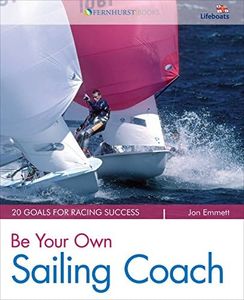
Be Your Own Sailing Coach: 20 Goals for Racing Success

Rating
10.0
Content Level
Focus Area
Illustrations and Diagrams

Most important from
13 reviews

Content Level
The book covers many facets of sailing but doesn’t explore any topic in great depth, making it more of a broad primer than an advanced coaching manual.
Focus Area
A perfect guide for sailors aiming to coach themselves and improve racing skills independently.
Illustrations and Diagrams
Clear and understandable illustrations support the concepts, making complex ideas accessible.
Reviews and Recommendations
A German translation would be valuable, as the current edition is only available in English.

Be Your Own Sailing Coach: 20 Goals for Racing Success is a practical guide aimed primarily at sailors who want to improve their racing skills through structured self-coaching. With 290 pages, the book offers a focused approach by setting clear goals, which is great for readers looking for actionable steps rather than just theory. Published by Wiley Nautical, a respected name in sailing literature, it suggests credible expertise behind the content. The book is designed to be accessible for intermediate sailors who already have some basic knowledge and want to push their performance further.

Books like this typically include illustrations or diagrams to clarify sailing concepts, which can be very helpful for visual learners. Practical tips and exercises are expected, given the coaching theme, making it useful for hands-on practice rather than just reading. The book's size and weight suggest it’s a portable resource for on-the-go reference.

Since it was published in 2008, some racing techniques or equipment references might be slightly outdated compared to the latest trends in sailing. This book suits sailing enthusiasts focused on racing who prefer a goal-oriented, self-directed learning style, but beginners might find it a bit challenging without foundational sailing knowledge.

Rating
10.0
Content Level
Focus Area
Illustrations and Diagrams

Most important from
13 reviews

Content Level
The book covers many facets of sailing but doesn’t explore any topic in great depth, making it more of a broad primer than an advanced coaching manual.
Focus Area
A perfect guide for sailors aiming to coach themselves and improve racing skills independently.
Illustrations and Diagrams
Clear and understandable illustrations support the concepts, making complex ideas accessible.
Reviews and Recommendations
A German translation would be valuable, as the current edition is only available in English.
#3

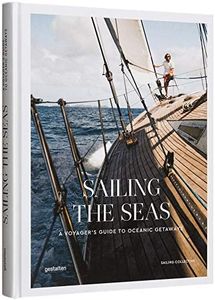
Sailing the Seas: A Voyager's Guide to Oceanic Getaways

Rating
8.8
Illustrations and Diagrams

Most important from
95 reviews

Illustrations and Diagrams
A gorgeous visual guide that leaves readers eagerly anticipating the next edition.

Sailing the Seas: A Voyager's Guide to Oceanic Getaways is a substantial hardcover book, weighing 4 pounds and spanning 256 pages. It's published by gestalten, known for visually engaging books, which suggests that this guide likely contains high-quality illustrations and diagrams. This can be a significant strength for visual learners or those who appreciate a more pictorial approach to understanding oceanic navigation and getaways.

In terms of content, the book's focus seems to be on providing a comprehensive guide to exploring the seas, which may appeal to both novice sailors looking for inspiration and seasoned voyagers seeking new destinations. The book is written in English and appears to be targeted at an English-speaking audience interested in sailing. With its large dimensions, it may not be the most convenient for onboard reading while sailing, making it more suitable for pre-trip planning or for those who enjoy leisurely reading about travel at home.

Rating
8.8
Illustrations and Diagrams

Most important from
95 reviews

Illustrations and Diagrams
A gorgeous visual guide that leaves readers eagerly anticipating the next edition.

Buying Guide for the Best Sailing Books

Choosing the right sailing book can be a rewarding experience, whether you're a beginner looking to learn the basics or an experienced sailor seeking advanced techniques and insights. The key is to identify what you need from the book and match it with the right content. Here are some key specifications to consider when selecting a sailing book, along with explanations to help you make the best choice for your needs.
Content LevelThe content level of a sailing book refers to the complexity and depth of the information provided. This is important because it ensures that the book matches your current knowledge and skill level. Beginners should look for books that cover fundamental concepts and basic techniques in an easy-to-understand manner. Intermediate sailors might seek books that delve into more advanced topics and practical tips. Advanced sailors should look for books that offer in-depth analysis, expert strategies, and detailed case studies. Choose a book that aligns with your experience to get the most benefit from it.
Focus AreaThe focus area of a sailing book indicates the specific topics or aspects of sailing it covers. This is important because sailing encompasses a wide range of activities, from navigation and seamanship to racing and cruising. If you're interested in learning how to navigate, look for books that specialize in navigation techniques and tools. If you're more into racing, find books that cover racing strategies and rules. For those who enjoy leisurely cruising, books that discuss cruising routes, destinations, and onboard living will be more suitable. Identify your primary interest in sailing and choose a book that focuses on that area.
Author ExpertiseThe expertise of the author is crucial because it determines the credibility and reliability of the information presented. Experienced sailors, instructors, or professionals in the sailing community are more likely to provide accurate and valuable insights. Look for books written by authors with a proven track record in sailing, such as those who have participated in major sailing events, have extensive sailing experience, or are recognized experts in the field. Reading reviews and author bios can help you gauge their expertise. Choose books by authors whose experience and knowledge align with your learning goals.
Illustrations and DiagramsIllustrations and diagrams in a sailing book are important because they help visualize complex concepts and techniques, making them easier to understand. This is particularly useful for beginners who may find textual descriptions challenging to follow. Books with clear, detailed illustrations and diagrams can enhance your learning experience by providing visual aids that complement the written content. When choosing a book, consider how well it uses visuals to explain key points. If you learn better with visual aids, prioritize books with plenty of illustrations and diagrams.
Practical Tips and ExercisesPractical tips and exercises in a sailing book are valuable because they provide hands-on guidance and real-world applications of the concepts discussed. This is important for reinforcing learning and building practical skills. Books that include step-by-step exercises, practice drills, and real-life scenarios can help you apply what you've learned and improve your sailing abilities. When selecting a book, look for those that offer practical advice and exercises that match your skill level and learning style. This will ensure that you can effectively translate the knowledge from the book into actual sailing practice.
Reviews and RecommendationsReviews and recommendations from other readers and experts can provide insights into the quality and usefulness of a sailing book. This is important because it helps you gauge whether the book meets the expectations and needs of its audience. Positive reviews and recommendations from experienced sailors or reputable sources can indicate that the book is well-regarded and valuable. When choosing a book, take the time to read reviews and seek recommendations from trusted sources. This can help you make an informed decision and select a book that is likely to be beneficial for your sailing journey.

FAQ

Most Popular Categories Right Now