10 Best Smoke Detectors 2026 in the United States
Winner


Related Products
Up to 13% off
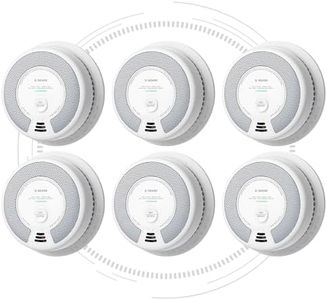
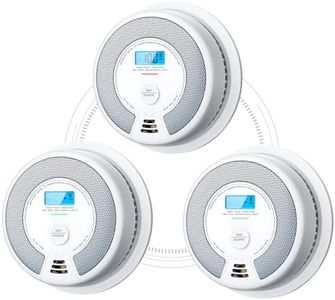
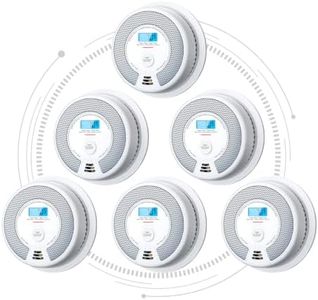
X-Sense
16%OFF
Editor’s Choice
X-Sense 6-Pack Interconnected Smoke and CO Detector, SC06-W

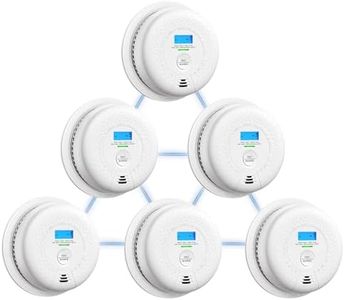
Recommended lists

KIDDE smoke detectors
Our technology thoroughly searches through the online shopping world, reviewing hundreds of sites. We then process and analyze this information, updating in real-time to bring you the latest top-rated products. This way, you always get the best and most current options available.

Our Top Picks
Winner
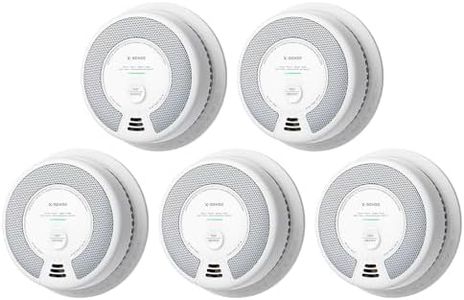
X-Sense Smoke & Carbon Monoxide Alarm, SC06, 5-Pack
The X-Sense SC06 is a reliable combination smoke and carbon monoxide alarm designed to protect your home from two serious dangers with one device. It uses photoelectric and electrochemical sensors, which are effective at detecting smoke and carbon monoxide accurately, offering upgraded sensitivity that reacts quickly while helping reduce false alarms. The unit is powered by a built-in lithium battery that lasts up to 10 years, eliminating frequent battery changes and providing alerts when the battery is low. The alarm is loud enough at 85 decibels to wake most people in case of emergency.
Installation is straightforward since it’s battery-operated and doesn’t require wiring or an electrician. Testing and silencing the alarm is simple with a one-button control. A key limitation is that the SC06 model is a standalone unit without wireless interconnectivity, so if one alarm detects a problem, it won’t trigger other alarms in the house. For those who want interconnected alarms, a different model (SC06-W) is necessary.
While it doesn’t have smart features like Wi-Fi or app connectivity, this basic model focuses on dependable detection and long battery life, making it a solid choice for users who want effective, low-maintenance protection without extra technology. The package includes five alarms, which is convenient for covering multiple rooms. It is a straightforward, quality product ideal for homeowners or renters seeking dependable smoke and carbon monoxide detection without complex features.
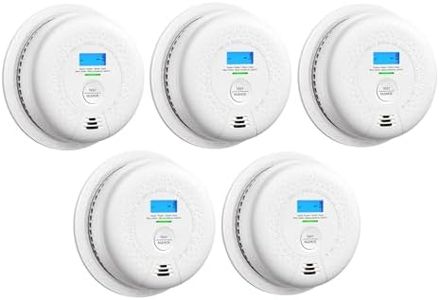
X-Sense Smoke Detector Carbon Monoxide Detector Combo, SC07, 5-Pack
Most important from
4049 reviews
The X-Sense SC07 is a reliable smoke and carbon monoxide detector that combines two important safety functions in one device. It uses photoelectric and electrochemical sensors, which are effective in detecting smoke and carbon monoxide quickly. Powered by a sealed lithium battery, it offers a worry-free 10-year lifespan without needing battery replacements, which is a big convenience. The alarm sounds at 85 decibels, loud enough to alert most people in your home. It features a large LCD screen that shows real-time carbon monoxide levels, battery status, and device health, helping you stay informed about your safety. Installation is straightforward since it’s battery-operated and standalone, requiring no wiring or professional help. The large mounting bracket also helps hide previous holes or marks on your ceiling for a nicer look.
This model does not support interconnectivity, meaning alarms won’t link to each other to sound simultaneously across multiple rooms—a feature some users might prefer for larger homes. The test and silence functions are handled by a single button, keeping maintenance simple. This pack of five alarms represents a solid choice for those seeking long-lasting, easy-to-install detectors that cover both smoke and carbon monoxide without the need for complicated setup or frequent battery changes.
Most important from
4049 reviews
X-Sense Smoke Detector and Carbon Monoxide Detector, SC01, 5-Pack
Most important from
2252 reviews
The X-Sense SC01 smoke and carbon monoxide detector offers reliable dual protection with its photoelectric smoke sensor and electrochemical CO sensor, meeting important safety standards (UL 217 and UL 2034). Its 10-year sealed lithium battery is a standout feature, providing long-lasting power without the hassle of frequent replacements. Installation is straightforward since it’s a standalone unit powered solely by the battery, requiring no wiring. The alarm reaches a loud 85 dB, which is effective for alerting people in most home environments.
This model does not support wireless interconnection, meaning you cannot link multiple alarms to sound simultaneously, which could be a drawback if you want a connected system for larger homes. For those who want interconnectivity, X-Sense offers a different model (SC01-W). The lack of smart features like Wi-Fi or app integration also means no remote alerts or advanced monitoring. Maintenance is mostly hands-off due to the sealed battery, but you’ll still need to test the device regularly using its built-in test button.
This 5-pack is great for users seeking a simple, dependable smoke and CO detector that lasts a decade without battery changes. It is especially suited for smaller homes or those who prioritize easy installation and low upkeep over networked alarms. If you don’t need the latest smart features or interconnectivity, this model effectively covers essential safety needs with a solid build and clear alarm sound.
Most important from
2252 reviews
Buying Guide for the Best Smoke Detectors
When choosing a smoke detector, your main goal is to ensure safety and early warning in case of fire. Smoke detectors come in different types and with various features, so it's important to understand what makes one suitable for your living space. You should think about where the detector will be placed, how easy it is to maintain, and which safety features matter most to you. By focusing on the main specifications, you can find a smoke detector that provides dependable protection for you and your household.FAQ
Most Popular Categories Right Now


