We Use CookiesWe use cookies to enhance the security, performance, functionality and for analytical and promotional activities. By continuing to browse this site you are agreeing to our privacy policy

10 Best Sony Alpha Full Frame 2026 in the United States
How do we rank products for you?

Our technology thoroughly searches through the online shopping world, reviewing hundreds of sites. We then process and analyze this information, updating in real-time to bring you the latest top-rated products. This way, you always get the best and most current options available.

headphones-stars

Our Top Picks

#1

Winner

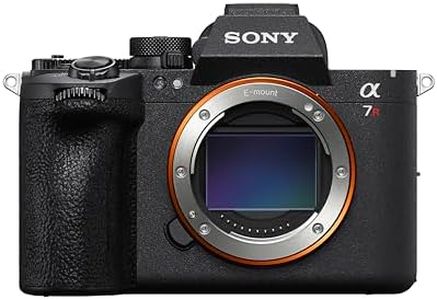
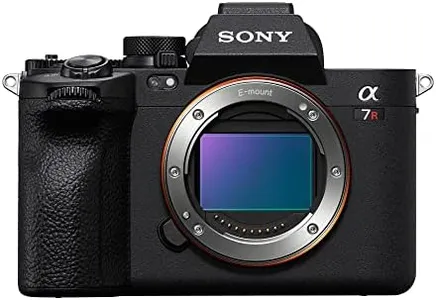
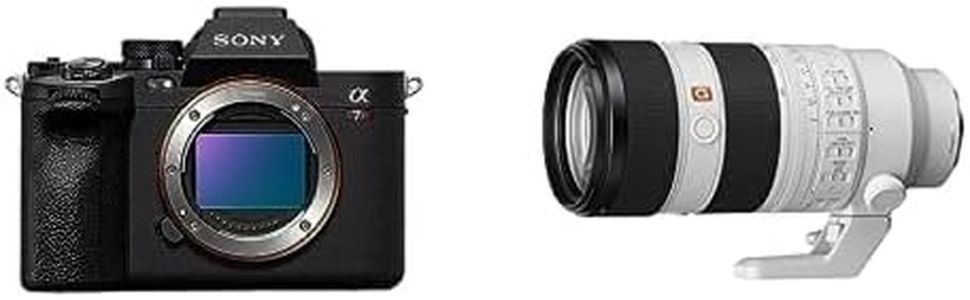
Sony Alpha 7R V Full-Frame Mirrorless Interchangeable Lens Camera with Sony FE 70-200mm F2.8 GM OSS II Full-Frame Constant-Aperture telephoto Zoom G Master Lens (SEL70200GM2)

Rating
10.0
Chosen by1,159
Sensor Resolution
Autofocus System
Continuous Shooting Speed

Most important from
261 reviews

Sensor Resolution
The 61 MP sensor delivers exceptional image detail, allowing extensive cropping without loss of quality.
Autofocus System
Autofocus is highly reliable, featuring advanced Eye AF for humans and animals that works flawlessly even with narrow depth of field lenses.
Continuous Shooting Speed
Continuous shooting at 10 fps with a large buffer supports capturing fast action without compromise.
Video Capabilities
Video capabilities are improved but remain secondary to the camera’s primary strength in high-resolution still photography.
Battery Life
Battery life is noticeably better than earlier Sony Alpha models, supporting longer shooting sessions.

The Sony Alpha 7R V is a top-tier full-frame mirrorless camera boasting a very high 61 MP resolution, ideal for photographers seeking detailed and sharp images, especially in studio, landscape, or commercial settings. Its wide ISO range up to 25600 helps in low-light conditions, although extremely high ISO might introduce some noise. The autofocus system is advanced, featuring 250 focus points and AI-driven Real-time Recognition, which improves tracking fast-moving subjects—great for wildlife or sports photography.

Paired with the Sony FE 70-200mm F2.8 GM OSS II lens, it offers excellent image quality across the zoom range, thanks to specialized lens elements that minimize distortion and chromatic aberrations. The lens’s fast F2.8 aperture also supports good background blur and better performance in dim light. For video, it records 4K footage at 24/25/30 fps with features to reduce focus breathing and noise, making it a solid choice for filmmakers.

The camera benefits from robust build quality and advanced image stabilization to reduce blur from shaky hands, but it is not fully weather-sealed, so extra care is needed in harsh environments. Battery life is decent for a professional mirrorless camera, though heavy users might want to carry a spare. Connectivity includes Wi-Fi and USB, enabling easy file transfer and remote control. It is aimed at professionals or serious enthusiasts due to its price and complexity, packing features that justify the investment if you want high resolution, fast and reliable autofocus, and excellent video capability in a flexible zoom lens. For casual users or beginners, the size, cost, and learning curve might be challenging.

Rating
10.0
Chosen by1,159
Sensor Resolution
Autofocus System
Continuous Shooting Speed

Most important from
261 reviews

Sensor Resolution
The 61 MP sensor delivers exceptional image detail, allowing extensive cropping without loss of quality.
Autofocus System
Autofocus is highly reliable, featuring advanced Eye AF for humans and animals that works flawlessly even with narrow depth of field lenses.
Continuous Shooting Speed
Continuous shooting at 10 fps with a large buffer supports capturing fast action without compromise.
Video Capabilities
Video capabilities are improved but remain secondary to the camera’s primary strength in high-resolution still photography.
Battery Life
Battery life is noticeably better than earlier Sony Alpha models, supporting longer shooting sessions.
#2

Sony Alpha 9 III Mirrorless Camera with World's First Full-Frame 24.6MP Global Shutter System and 120fps Blackout-Free Continuous Shooting

Rating
10.0
Sensor Resolution
ISO Range
Autofocus System

Most important from
18 reviews

Sensor Resolution
Despite the lower MP, the sensor quality ensures great image results even after cropping with high ISO.
ISO Range
Despite the lower MP, the sensor quality ensures great image results even after cropping with high ISO.
Autofocus System
The autofocus and ergonomics are so much improved that using other cameras feels annoying.
Continuous Shooting Speed
The speed of focus, shutter, and customization make this camera stand out.
Build Quality and Weather Sealing
Feels great in the hand and allows capturing shots that wouldn't be possible otherwise.

The Sony Alpha 9 III is designed for professional photographers who demand speed, precision, and high-quality images. Its standout feature is the world's first full-frame global shutter, which captures fast-moving subjects without distortion, making it ideal for sports and wildlife photography. With a resolution of 24.6MP and an advanced BIONZ XR processing engine, it offers impressive image quality and vibrant color reproduction, even in challenging lighting conditions due to its wide ISO range of 125 to 51,200.

For those who require fast shooting capabilities, the Alpha 9 III shines with its blackout-free continuous shooting at up to 120 frames per second. This feature ensures that photographers can capture sharp images of fleeting moments without any visual interruption. Additionally, the autofocus system is highly sophisticated, with 759 points and AI-assisted subject recognition, which helps in tracking subjects accurately.

The camera's build quality is robust, with water resistance and weather sealing, making it suitable for outdoor use. The 3-inch touch screen is articulated, allowing for versatile shooting angles, which is a plus for creative composition. Connectivity options like Bluetooth and Wi-Fi enable easy file sharing and remote control capabilities, enhancing user experience. The Alpha 9 III is positioned at a premium price point, which might be a barrier for amateur photographers or enthusiasts. Its advanced features and complexity may also overwhelm those who are not as tech-savvy. Furthermore, despite excellent battery life for prolonged shooting sessions, heavy users may still find the need to carry extra batteries for extended outings.

The Sony Alpha 9 III is a powerhouse for professionals focused on speed and performance, particularly in dynamic environments. It may not be the best fit for casual users or beginners due to its advanced capabilities and cost, but for those who need top-tier performance, it stands out in the full-frame mirrorless camera category.

Rating
10.0
Sensor Resolution
ISO Range
Autofocus System

Most important from
18 reviews

Sensor Resolution
Despite the lower MP, the sensor quality ensures great image results even after cropping with high ISO.
ISO Range
Despite the lower MP, the sensor quality ensures great image results even after cropping with high ISO.
Autofocus System
The autofocus and ergonomics are so much improved that using other cameras feels annoying.
Continuous Shooting Speed
The speed of focus, shutter, and customization make this camera stand out.
Build Quality and Weather Sealing
Feels great in the hand and allows capturing shots that wouldn't be possible otherwise.
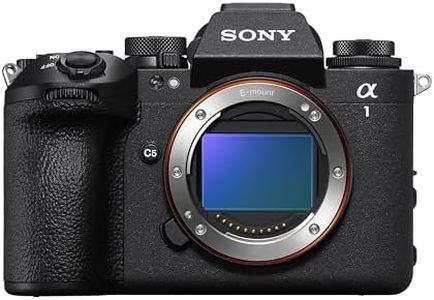
#3

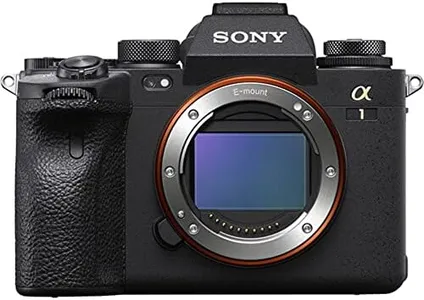
Sony Alpha 1 II Full-Frame Mirrorless Interchangeable Lens Camera

Rating
9.4
Video Capabilities
Build Quality and Weather Sealing

Most important from
13 reviews

Video Capabilities
This camera delivers exceptional video performance, including 4K with impressive zoom and reliable touch focus, making it arguably the best video camera currently available.
Build Quality and Weather Sealing
The in-body image stabilization (IBIS) is excellent, significantly enhancing handheld shooting quality.

The Sony Alpha 1 II is a high-end full-frame mirrorless camera designed for serious photographers and videographers. It features an impressive 50.1-megapixel sensor that delivers incredibly detailed images, making it ideal for large prints or cropping without losing quality. The ISO range goes from 50 to 102400, allowing good performance in low light, though very high ISO shots may still show some noise. The autofocus system is advanced, with 759 points and AI-driven subject recognition, including people, animals, and vehicles. This makes focusing fast and accurate for moving subjects, suitable for wildlife, sports, or events.

One standout feature is its high-speed continuous shooting at up to 30 frames per second with full autofocus and auto exposure tracking — great for capturing fast action. Video capabilities are strong as well, offering 8K recording and 4K oversampled from 5.8K, delivering sharp and vibrant footage. The camera uses Sony’s BIONZ XR processor, which handles large data quickly and supports smooth performance.

The build quality is robust and suitable for travel, wedding, and wildlife photography, although it is not officially water resistant, so extra care is needed in harsh weather. Battery life is average for a professional mirrorless camera, with a 3-ounce lithium-ion battery, so carrying spares might be necessary for long shoots. Connectivity options include USB-C, HDMI, Wi-Fi, and Bluetooth, providing versatile ways to transfer images and control the camera remotely. The camera is relatively heavy at nearly 3 pounds, which could be tiring for handheld use over long periods. Its price and complexity may be overwhelming for beginners, making it better suited to amateurs with some experience or professionals who need top-tier performance. The Sony Alpha 1 II excels in resolution, autofocus, speed, and video, but users should consider its size, price, and lack of weather sealing depending on their shooting conditions.

Rating
9.4
Video Capabilities
Build Quality and Weather Sealing

Most important from
13 reviews

Video Capabilities
This camera delivers exceptional video performance, including 4K with impressive zoom and reliable touch focus, making it arguably the best video camera currently available.
Build Quality and Weather Sealing
The in-body image stabilization (IBIS) is excellent, significantly enhancing handheld shooting quality.

Buying Guide for the Best Sony Alpha Full Frame

When choosing a Sony Alpha full-frame camera, it's important to consider your specific needs and how you plan to use the camera. Full-frame cameras are known for their superior image quality, low-light performance, and depth of field control. However, they come with a variety of features and specifications that can be overwhelming. Understanding these key specs will help you make an informed decision and find the best fit for your photography or videography needs.
Sensor ResolutionSensor resolution, measured in megapixels (MP), determines the amount of detail a camera can capture. Higher resolution sensors can produce larger prints and allow for more cropping without losing image quality. For general photography, a resolution of around 24MP is often sufficient. If you plan to do a lot of large prints or detailed cropping, you might want to consider a higher resolution sensor, such as 42MP or more. However, higher resolution sensors can also produce larger file sizes, which require more storage space and processing power.
ISO RangeThe ISO range of a camera indicates its sensitivity to light. A wider ISO range allows for better performance in low-light conditions. For most users, an ISO range of 100-32000 is adequate, providing good flexibility for various lighting situations. If you frequently shoot in very low light or need to capture fast-moving subjects in dim conditions, look for a camera with an extended ISO range, such as up to 102400 or higher. Keep in mind that higher ISO settings can introduce more noise into your images.
Autofocus SystemThe autofocus (AF) system is crucial for capturing sharp images, especially in fast-paced or dynamic environments. Sony Alpha full-frame cameras often feature advanced AF systems with numerous focus points and fast tracking capabilities. For general use, a camera with a reliable AF system and around 300-400 focus points should suffice. If you are into sports, wildlife, or action photography, consider a model with a more sophisticated AF system, offering over 500 focus points and advanced tracking features.
Continuous Shooting SpeedContinuous shooting speed, measured in frames per second (fps), is important for capturing fast-moving subjects. A higher fps rate allows you to take more shots in a short period, increasing your chances of getting the perfect shot. For casual photography, a continuous shooting speed of 5-10 fps is usually enough. However, if you are into sports or wildlife photography, you might want a camera that offers 10 fps or higher to ensure you don't miss any critical moments.
Video CapabilitiesIf you plan to use your camera for videography, consider its video capabilities. Look for features like 4K resolution, high frame rates (such as 60fps or 120fps for slow-motion), and advanced video codecs. For casual video recording, 4K at 30fps is typically sufficient. If you are a professional videographer or plan to do a lot of video work, you might want a camera that offers 4K at 60fps or higher, along with additional features like S-Log profiles for better color grading in post-production.
Build Quality and Weather SealingBuild quality and weather sealing are important if you plan to use your camera in challenging environments. A well-built camera with weather sealing can withstand dust, moisture, and minor impacts, making it more durable and reliable. For general use, a camera with a solid build and basic weather sealing should be adequate. If you frequently shoot in harsh conditions, such as rain, snow, or dusty environments, look for a model with more robust weather sealing and a magnesium alloy body for added durability.
Battery LifeBattery life is a crucial factor, especially if you plan to shoot for extended periods without access to charging. Full-frame cameras tend to consume more power, so having a camera with a long battery life is beneficial. For casual use, a battery life of around 400-600 shots per charge is usually sufficient. If you are a professional or plan to shoot extensively, consider a camera with a battery life of 700 shots or more, or invest in additional batteries and a battery grip for extended shooting sessions.
Connectivity OptionsConnectivity options, such as Wi-Fi, Bluetooth, and NFC, allow you to easily transfer images and control your camera remotely. These features can be very convenient for sharing photos on the go or using your smartphone as a remote control. For most users, basic Wi-Fi and Bluetooth connectivity will be sufficient. If you require more advanced features, such as tethered shooting or faster file transfers, look for a camera with more comprehensive connectivity options, including USB-C and Ethernet ports.

FAQ

Most Popular Categories Right Now