10 Best Soy Sauces 2026 in the United States

Related Products
Up to 5% off


Our technology thoroughly searches through the online shopping world, reviewing hundreds of sites. We then process and analyze this information, updating in real-time to bring you the latest top-rated products. This way, you always get the best and most current options available.

Our Top Picks
Winner
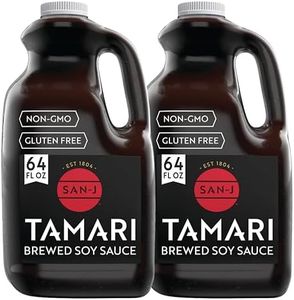
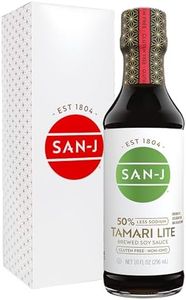
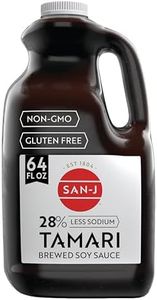
San-J Gluten Free Tamari Soy Sauce, Brewed 100% Soy, 64 oz Bottles, 2 Pack
San-J Gluten Free Tamari Soy Sauce is a great choice if you want a richer, bolder soy sauce with a strong umami flavor. Unlike regular soy sauces that often contain wheat, this one is made from 100% soybeans, making it naturally gluten-free and suitable for people with gluten sensitivities. The fermentation process follows traditional family methods, which helps deliver an authentic Japanese taste without artificial additives or color. Its simple ingredients list—water, soybeans, salt, and a bit of alcohol for freshness—keeps it clean and natural.
The sauce comes in large 64-ounce bottles sold as a two-pack, which is handy if you use soy sauce frequently in cooking or as a dip. While it has a richer flavor, the sodium level is typical for soy sauces, so it should be used moderately if you are watching your salt intake. The jug packaging may not be ideal for precise pouring, but it works well for kitchen use. This Tamari soy sauce is versatile, pairing well with sushi, stir-fries, marinades, and vegetables. It is a solid pick for those seeking a gluten-free, flavorful soy sauce with a traditional brewing background.
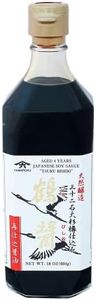
Yamaroku Shoyu Pure Artisan Dark Sweet Japanese Premium Gourmet Barrel Aged 4 Year Soy Sauce "Tsuru Bisiho", 18oz (532ml) (18oz, 1)… (1 Pack)
Yamaroku Shoyu Pure Artisan Dark Sweet Japanese Soy Sauce is a premium, traditionally brewed soy sauce aged for 4 years in 100-year-old wooden barrels. This slow fermentation process gives it a rich, mellow, and well-rounded umami flavor, combining both sweet and salty notes. The soy sauce contains simple, natural ingredients—soybeans, wheat, salt, and water—without preservatives or artificial additives, making it a clean and authentic choice. Its flavor is versatile enough for sushi, sashimi, tofu, grilled fish, and can even enhance dishes like ramen or homemade teriyaki and ponzu sauces. Interestingly, it can also be paired with vanilla ice cream for a unique caramel-like twist. The product is packaged in an easy-to-use glass dispenser bottle, which adds to its premium feel.
This soy sauce is a niche product that may be pricier than regular soy sauces, and its strong, complex flavor is more suitable for those who appreciate traditional, aged soy sauces rather than someone looking for a basic, everyday soy sauce. While it doesn’t list sodium content explicitly, traditionally brewed soy sauces tend to have moderate salt levels, so users mindful of sodium intake should use it sparingly. It is ideal for food enthusiasts or home cooks interested in authentic Japanese flavors and artisanal ingredients.
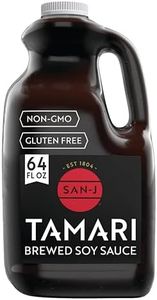
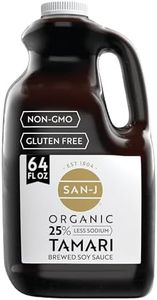
San-J Gluten Free Tamari Soy Sauce, 100% Soy, Bulk Family Size, 64 oz Jug
Most important from
4621 reviews
San-J Gluten Free Tamari Soy Sauce is an excellent choice for anyone needing a gluten-free soy sauce without sacrificing rich flavor. Made entirely from soybeans and no wheat, it offers a bolder and more complex taste with extra umami compared to regular soy sauce, enhancing dishes like sushi, stir-fries, or marinades. The traditional fermentation process, passed down through eight generations, avoids artificial additives, providing an authentic Japanese flavor. The simple, non-GMO ingredients include water, soybeans, salt, and a bit of alcohol to maintain freshness. Tamari typically has a higher sodium content than some low-sodium soy sauces, so it is advisable to use it sparingly if monitoring salt intake.
The product is available in a large 64-ounce bottle, suitable for frequent use or larger households, though it may feel bulky for casual users or those with limited storage space. With a strong customer rating, this tamari soy sauce is a reliable option for those seeking a flavorful, gluten-free soy sauce that complements a variety of dishes.
Most important from
4621 reviews
Buying Guide for the Best Soy Sauces
Choosing the right soy sauce can significantly enhance the flavor of your dishes. Soy sauce is a staple in many cuisines, particularly in Asian cooking, and it comes in various types and flavors. When selecting a soy sauce, it's important to consider the type, flavor profile, sodium content, and any dietary restrictions you may have. Understanding these key specifications will help you pick the best soy sauce for your needs.FAQ
Most Popular Categories Right Now


