We Use CookiesWe use cookies to enhance the security, performance, functionality and for analytical and promotional activities. By continuing to browse this site you are agreeing to our privacy policy

10 Best Usb Wifi Adapters 2026 in the United States
How do we rank products for you?

Our technology thoroughly searches through the online shopping world, reviewing hundreds of sites. We then process and analyze this information, updating in real-time to bring you the latest top-rated products. This way, you always get the best and most current options available.

headphones-stars

Our Top Picks

#1

Winner

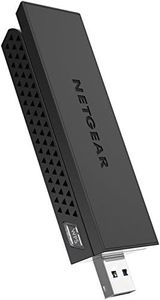
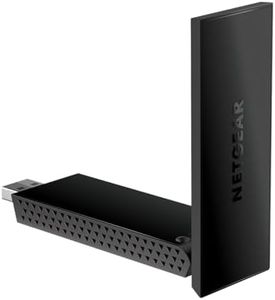
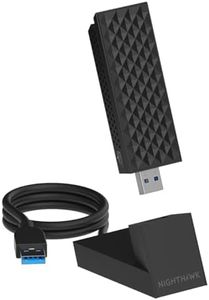
NETGEAR AC1200 Wi-Fi USB 3.0 Adapter for Desktop PC | Dual Band WiFi Stick for Wireless Internet (A6210-100PAS)

Rating
10.0
Chosen by1,263
Speed Ratings
Frequency Bands
Antenna Type

Most important from
2920 reviews

Speed Ratings
Achieves impressive speeds over 200 Mbps on the 5 GHz band, eliminating buffering during HD streaming.
Frequency Bands
Beamforming and high-gain antennas deliver a strong, consistent signal that outperforms built-in laptop adapters limited to 2.4 GHz.
Antenna Type
Significantly boosts Wi-Fi reception in areas with previously weak or spotty signals, enabling smooth video conferences and remote desktop use.
WiFi Standards
The adapter occasionally shows connection as 802.11n instead of 802.11ac on Windows 7, but still delivers download speeds consistent with 802.11ac performance.
Size and Design
Best suited for stationary setups due to its larger size compared to tiny USB adapters, offering better range rather than portability.

The NETGEAR AC1200 Wi-Fi USB Adapter (A6210) is a solid choice for Windows users looking to improve their wireless connection speed and range. It supports dual-band Wi-Fi (both 2.4 GHz and 5 GHz), offering combined speeds up to 1200 Mbps — 300 Mbps on 2.4 GHz and 867 Mbps on 5 GHz. This makes it suitable for streaming HD videos and lag-free online gaming. The adapter uses high-gain antennas and Beamforming+ technology, which helps boost the Wi-Fi signal strength and reliability, especially in larger spaces. The USB 3.0 interface means faster data transfer compared to older USB 2.0 models, though it remains compatible with USB 2.0 ports for flexibility.

It comes with a desktop dock, allowing you to place the adapter in an optimal location to further improve signal reception. The design is relatively compact but larger than typical tiny USB adapters, so it’s better suited for stationary setups rather than frequent travel. One limitation is that it only supports Windows PCs and does not work with Apple Macs, which reduces its versatility if you use multiple operating systems. Also, while it supports the latest Wi-Fi standards including 802.11ac, it was first released in 2014, so newer models may offer slightly faster speeds or more modern features.

This adapter provides a dependable option for boosting Wi-Fi performance on a Windows device, especially in a home environment where range and a stable connection are important.

Rating
10.0
Chosen by1,263
Speed Ratings
Frequency Bands
Antenna Type

Most important from
2920 reviews

Speed Ratings
Achieves impressive speeds over 200 Mbps on the 5 GHz band, eliminating buffering during HD streaming.
Frequency Bands
Beamforming and high-gain antennas deliver a strong, consistent signal that outperforms built-in laptop adapters limited to 2.4 GHz.
Antenna Type
Significantly boosts Wi-Fi reception in areas with previously weak or spotty signals, enabling smooth video conferences and remote desktop use.
WiFi Standards
The adapter occasionally shows connection as 802.11n instead of 802.11ac on Windows 7, but still delivers download speeds consistent with 802.11ac performance.
Size and Design
Best suited for stationary setups due to its larger size compared to tiny USB adapters, offering better range rather than portability.
#2

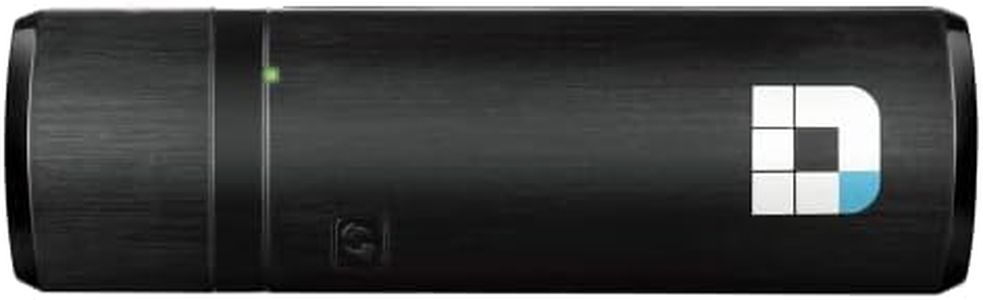
D-Link WiFi USB Adapter AC1200 Mini Wireless Internet Dual Band 3.0 Wi-Fi Netowrk Desktop Laptop (DWA-182),Black

Rating
9.4
Speed Ratings
Compatibility
Antenna Type

Most important from
1024 reviews

Speed Ratings
The adapter delivers reliable wireless speeds around 176 Mbps down and maxes out upload speeds even through walls, showing strong real-world performance.
Compatibility
It works well with Linux (Ubuntu 18.04.02 LTS) after a straightforward driver installation process, proving more versatile than officially stated.
Antenna Type
Signal strength surpasses many other USB WiFi sticks, providing stable connections ideal for gaming and everyday browsing without issues.
Size and Design
The compact design does not compromise performance, allowing easy use without blocking adjacent USB ports.

The D-Link AC1200 Mini USB WiFi Adapter is a solid choice for anyone needing to add or improve wireless connectivity on a desktop or laptop. It supports dual-band WiFi, working on both 2.4GHz (up to 300Mbps) and 5GHz (up to 867Mbps) frequencies, which helps reduce interference and improve speed depending on your network environment. Its use of the latest WiFi AC standard means it can deliver faster and more reliable wireless performance compared to older adapters. The adapter connects via USB 3.0, allowing for better data transfer speeds if your computer supports this port, but it is also backward compatible with USB 2.0. It supports common WiFi security protocols (WPA and WPA2), ensuring your connection stays safe. The compact design makes it easy to carry and use without blocking other USB ports.

One limitation is that it officially supports only Windows operating systems, so Mac or Linux users might face compatibility issues. Also, while the dual-band is helpful, the maximum speeds are moderate compared to some newer models, so it might not be the best fit for very high-speed internet plans or heavy streaming and gaming. This adapter provides a convenient and reliable option for general users looking to upgrade their wireless connection with an easy plug-and-play device.

Rating
9.4
Speed Ratings
Compatibility
Antenna Type

Most important from
1024 reviews

Speed Ratings
The adapter delivers reliable wireless speeds around 176 Mbps down and maxes out upload speeds even through walls, showing strong real-world performance.
Compatibility
It works well with Linux (Ubuntu 18.04.02 LTS) after a straightforward driver installation process, proving more versatile than officially stated.
Antenna Type
Signal strength surpasses many other USB WiFi sticks, providing stable connections ideal for gaming and everyday browsing without issues.
Size and Design
The compact design does not compromise performance, allowing easy use without blocking adjacent USB ports.
#3

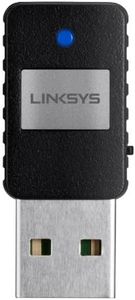
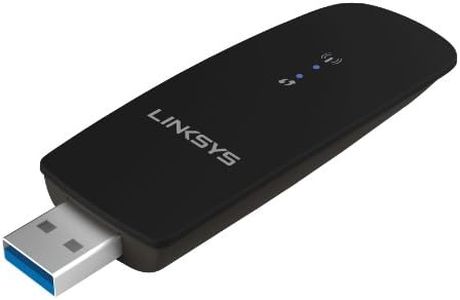
Linksys AE6000 Dual-Band Wireless Mini USB Adapter

Rating
9.4
Frequency Bands
Speed Ratings
Compatibility

Most important from
100 reviews

Frequency Bands
Works seamlessly with Debian Linux on the 5GHz band after a simple firmware installation.
Speed Ratings
Reliable performance for gaming, with good range and decent speed.
Compatibility
Instant setup with Windows 10 – just plug it in and it installs automatically.
Size and Design
Compact design makes it easy to carry and use on the go.

The Linksys AE6000 Dual-Band Wireless Mini USB Adapter is designed to enhance wireless connectivity for laptops and desktops, especially for users who want to upgrade to Wireless-AC. One of its main strengths is its high performance in HD video streaming and gaming, which is supported by impressive speed ratings—up to 430 Mbps on the 5 GHz band and up to 150 Mbps on the 2.4 GHz band. This makes it suitable for activities that demand high-speed internet, such as streaming and online gaming.

Additionally, the mini design of the adapter adds to its portability and convenience, making it easy to carry around and use on the go. Compatibility with Windows operating systems ensures it can be used with a range of devices, and it effectively connects to Wi-Fi hotspots, making it versatile for different usage scenarios. However, for optimal performance, it is recommended to pair it with a Linksys Wireless-AC Router, which might be a drawback for users who do not already own or plan to purchase a Linksys router.

Its data transfer rate on the 2.4 GHz band is relatively lower compared to other USB Wi-Fi adapters in the market. The adapter also helps avoid wireless interference in crowded areas, making it reliable in dense environments. Given its compact size and easy setup, this adapter is a solid choice for users looking to boost their Wi-Fi performance without dealing with bulky hardware.

Rating
9.4
Frequency Bands
Speed Ratings
Compatibility

Most important from
100 reviews

Frequency Bands
Works seamlessly with Debian Linux on the 5GHz band after a simple firmware installation.
Speed Ratings
Reliable performance for gaming, with good range and decent speed.
Compatibility
Instant setup with Windows 10 – just plug it in and it installs automatically.
Size and Design
Compact design makes it easy to carry and use on the go.

Buying Guide for the Best Usb Wifi Adapters

Choosing the right USB WiFi adapter can significantly improve your internet connectivity and overall online experience. A USB WiFi adapter allows you to connect your computer to a wireless network without needing an internal WiFi card. When selecting a USB WiFi adapter, it's important to consider several key specifications to ensure you get the best performance and compatibility for your needs.
WiFi StandardsWiFi standards determine the speed and range of your wireless connection. The most common standards are 802.11n, 802.11ac, and 802.11ax. 802.11n is older and offers decent speeds for basic tasks like browsing and streaming. 802.11ac provides faster speeds and better performance for activities like online gaming and HD video streaming. 802.11ax, also known as WiFi 6, is the latest standard, offering the highest speeds and improved performance in crowded networks. Choose a standard based on your internet usage and the capabilities of your router.
Frequency BandsUSB WiFi adapters can operate on different frequency bands, primarily 2.4 GHz and 5 GHz. The 2.4 GHz band has a longer range but is more prone to interference from other devices, making it suitable for general web browsing and email. The 5 GHz band offers faster speeds and less interference, ideal for streaming, gaming, and other high-bandwidth activities. Dual-band adapters support both frequencies, providing flexibility and better performance. Consider a dual-band adapter if you need a balance of range and speed.
Antenna TypeThe type of antenna on a USB WiFi adapter can affect its range and signal strength. Internal antennas are built into the adapter and are more compact, making them convenient for travel and use with laptops. External antennas are larger and can be adjusted for better signal reception, offering improved range and performance. If you need a strong and stable connection, especially in areas with weak signals, an adapter with an external antenna may be a better choice.
Speed RatingsSpeed ratings indicate the maximum data transfer rate of a USB WiFi adapter, usually measured in megabits per second (Mbps). Common ratings include 150 Mbps, 300 Mbps, 600 Mbps, and higher. Higher speed ratings provide faster internet connections, which are beneficial for activities like streaming HD videos, online gaming, and large file downloads. Match the speed rating of the adapter to your internet plan and usage requirements to ensure optimal performance.
CompatibilityCompatibility refers to whether the USB WiFi adapter works with your operating system and hardware. Most adapters support Windows, macOS, and Linux, but it's important to check the specific compatibility details. Additionally, ensure the adapter is compatible with the USB ports on your device, whether they are USB 2.0, 3.0, or newer. Choosing a compatible adapter ensures a smooth installation process and reliable performance.
Size and DesignThe size and design of a USB WiFi adapter can impact its portability and convenience. Compact, low-profile adapters are easy to carry and less likely to be damaged when plugged into a laptop. Larger adapters with external antennas may offer better performance but can be bulkier and less portable. Consider your usage scenario and whether you need a portable solution or prioritize performance.

FAQ

Most Popular Categories Right Now