10 Best Water Filter Systems 2026 in the United States

Winner
Related Products
Up to 10% off
Recommended lists
Our technology thoroughly searches through the online shopping world, reviewing hundreds of sites. We then process and analyze this information, updating in real-time to bring you the latest top-rated products. This way, you always get the best and most current options available.

Our Top Picks
Winner
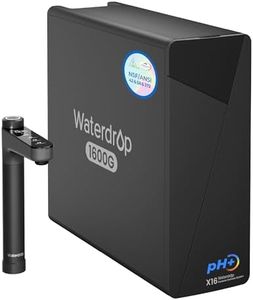
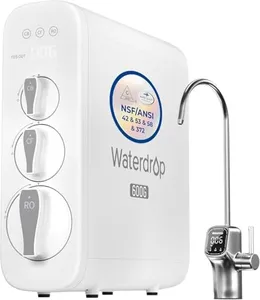
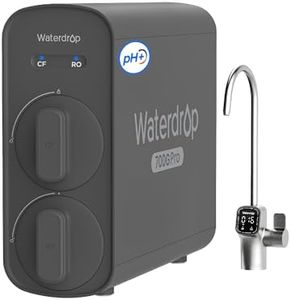
Waterdrop G3P600 Reverse Osmosis System, 600 GPD Tankless RO Water Filter
Most important from
4221 reviews
The Waterdrop G3P600 is a strong choice for anyone looking for a high-performance under-sink water filter system. It uses an 8-stage filtration process, including reverse osmosis and carbon block filters, which effectively remove a wide range of contaminants like chlorine, heavy metals, fluoride, and some radioactive substances. This makes it a great option if you're concerned about water purity and taste. The system is well-certified (NSF/ANSI 42, 53, 58, and 372), assuring you of its safety and effectiveness.
One of its standout features is the tankless design, which saves about 70% of under-sink space compared to traditional RO systems, and the filters can be replaced quickly without tools. It produces up to 600 gallons of clean water per day with a good flow rate—an 8 oz glass fills in about 8 seconds—and its low 2:1 drain ratio means it wastes less water than many other RO systems. The smart LED faucet is also handy, showing water quality and filter status, so you won't be guessing when to change filters.
A potential downside is that it requires an electrical connection under the sink, which might need extra setup if you don’t already have power there. The system's physical size means you should measure your cabinet to make sure it fits. This system is well-suited for users who want reliable, advanced filtration with space-saving and smart features, although it may not be ideal if you need a completely passive system without power.
Most important from
4221 reviews
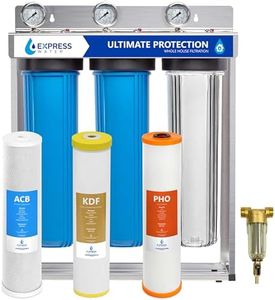
Express Water Whole House Water Filter System | Ultimate Protection | 3 Stage Water Purifier Whole Home, Heavy Metal + Anti-Scale Filters, High Reduction in Scale, Chlorine, PFAs, Lead, Arsenic & more
Most important from
122 reviews
The Express Water Whole House Water Filter System is designed to improve water quality for your entire home, making it a solid choice if you're looking to reduce contaminants like chlorine, heavy metals, and scale. It uses a three-stage filtration process, including a reusable 50-micron sediment filter that protects the specialty filters and helps maintain good water flow. With a maximum flow rate of 17 gallons per minute, it can support typical household water needs without sacrificing pressure. The filters last around six months or up to 100,000 gallons, which is reasonable for a system of this size and capacity.
Installation is fairly straightforward with standard 1-inch connections, and the system includes helpful features like pressure gauges and a stainless steel stand to ensure durability and easy monitoring. However, it doesn’t have smart home compatibility, so remote monitoring or alerts aren’t available. Also, it’s a manual system, meaning you’ll need to handle filter changes yourself. While it effectively reduces a wide range of impurities, the upper temperature limit of 100°F and the recommended pressure range (20-80 PSI) should be considered to avoid performance issues.
This system is well suited for homeowners wanting a durable, heavy-duty filtration solution that improves water taste and protects plumbing and appliances, but it requires some hands-on maintenance and isn’t geared toward tech-savvy users looking for smart features.
Most important from
122 reviews
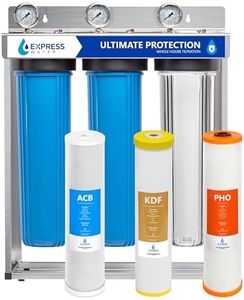
Express Water 3-Stage Whole House Water Filter System, Reduces Heavy Metals, Scale, Chloramine, Chlorine, PFAs, Lead & Arsenic, Free-standing Stainless Steel Frame & 3 Pressure Gauges
Most important from
412 reviews
The Express Water 3-Stage Whole House Water Filter System is designed to provide cleaner and safer water throughout your entire home. It uses a three-stage filtration process combining activated carbon, KDF, and polyphosphate media, which effectively reduces chlorine, heavy metals like lead and arsenic, chloramine, PFAs, and prevents scale buildup. This helps protect your pipes and appliances from damage, improving water taste and safety at every faucet.
The system supports a strong flow rate of up to 17 gallons per minute, suitable for most household needs without noticeable pressure loss. Filters typically last about 6 months or up to 100,000 gallons, which means you'll need to replace them twice a year depending on water use and quality. Installation is straightforward with a heavy-duty stainless steel freestanding frame and included pressure gauges to monitor system health, making filter changes easier. However, this system does not reduce total dissolved solids (TDS), so if that is important for your water quality, you might want to consider a reverse osmosis system instead. Also, there is no smart home compatibility for remote monitoring.
This filter system is a solid choice for homeowners wanting reliable reduction of common contaminants and scale protection across their whole house, particularly if heavy metal removal is a priority.
Most important from
412 reviews
Buying Guide for the Best Water Filter Systems
Choosing the right water filter system is crucial for ensuring that you and your family have access to clean, safe drinking water. There are various types of water filter systems available, each designed to address different water quality issues. To make an informed decision, it's important to understand the key specifications and how they relate to your specific needs. Here are some key specs to consider when selecting a water filter system.FAQ
Most Popular Categories Right Now


