We Use CookiesWe use cookies to enhance the security, performance, functionality and for analytical and promotional activities. By continuing to browse this site you are agreeing to our privacy policy

10 Best Wifi Router 2026 in the United States
How do we rank products for you?

Our technology thoroughly searches through the online shopping world, reviewing hundreds of sites. We then process and analyze this information, updating in real-time to bring you the latest top-rated products. This way, you always get the best and most current options available.

headphones-stars

Our Top Picks

#1

Winner

Amazon eero 7 dual-band mesh Wi-Fi 7 router (newest model) - Supports internet plans up to 2.5 Gbps, Coverage up to 6,000 sq. ft., 3-pack

Rating
10.0
Chosen by1,433
Coverage Area
Speed

Most important from
1110 reviews

Coverage Area
The mesh system delivers strong, consistent signal strength even through thick brick walls and challenging environments.
Speed
Speeds are impressive and stable, outperforming many previous mesh systems and delivering pure, consistent Wi-Fi.

The Amazon eero 7 is a budget-friendly Wi-Fi 7 mesh router system designed to cover up to 6,000 square feet with a 3-pack setup, making it a solid choice for larger homes or spaces with many connected devices (over 120 supported). It uses the latest Wi-Fi 7 standard, which means faster speeds and improved performance, especially with features like multi-link operation that help reduce dead spots and disruptions. The router supports internet plans up to 2.5 Gbps and offers wireless speeds up to 1.8 Gbps, which suits most high-speed home internet connections but might not fully utilize gigabit-plus plans if you want peak wireless speeds.

It’s a dual-band router with two radios, which is less than tri-band models, so very crowded networks might occasionally face more traffic management challenges. With two 2.5 GbE ports, it provides solid wired connection options, including for high-speed devices. Security-wise, it offers WPA3 encryption and an optional subscription for advanced protections like malware blocking and parental controls, which adds good value. The mesh system integrates well with smart home setups, including Alexa and Zigbee support, and its TrueMesh software helps keep devices on the best connection.

While its antenna setup is modest (2x2 for both 2.4 GHz and 5 GHz bands), the mesh design compensates by spreading coverage. This router suits users wanting an easy-to-manage, modern Wi-Fi 7 mesh network with strong coverage and decent speeds, but those needing the highest tri-band performance or ultra-high wireless speeds might want to consider other options.

Rating
10.0
Chosen by1,433
Coverage Area
Speed

Most important from
1110 reviews

Coverage Area
The mesh system delivers strong, consistent signal strength even through thick brick walls and challenging environments.
Speed
Speeds are impressive and stable, outperforming many previous mesh systems and delivering pure, consistent Wi-Fi.
#2

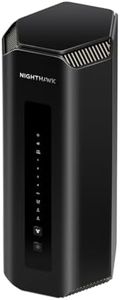
NETGEAR Nighthawk Tri-Band WiFi 7 Router (RS700S) - Router Only- BE19000 Wireless Speed (up to 19 Gbps) – 10 Gig Internet Port - Covers up to 3,500 sq. ft. – 1-Year Armor & Free Expert Help

Rating
9.1
Speed
Range
Security Features

Most important from
1802 reviews

Speed
Future-proof with the ability to scale up to 5Gbps or 7Gbps plans.
Range
Handles over 30 devices effortlessly, with range meeting expectations.
Security Features
Quick and easy setup with added protection from Netgear Armor.
Additional Features
Range, speed, setup, and quality are exceptional, making it worth the investment.

The NETGEAR Nighthawk Tri-Band WiFi 7 Router (RS700S) is a high-performance router designed for demanding applications like real-time gaming, 4K/8K streaming, and AR/VR entertainment. It supports the latest WiFi 7 standard, which offers speeds up to 19Gbps—2.4 times faster than WiFi 6. This makes it an excellent choice for households with multiple devices and heavy internet usage, covering up to 3,500 sq. ft. and supporting up to 200 devices.

Security is robust with automatic firmware updates and NETGEAR Armor, providing real-time protection against hackers and added privacy with a VPN, which includes a one-year trial. The router features a 10 Gig internet port for ultra-fast wired connections and comes with 4 additional 1 Gig LAN ports, making it versatile for various wired connections. Setting it up is straightforward using the Nighthawk app.

On the downside, the router is relatively expensive and primarily designed for use in the U.S. only. It's also quite heavy at 5.17 pounds, which might be a consideration for some users. It might be overkill for smaller households or those with less intensive internet needs.

Rating
9.1
Speed
Range
Security Features

Most important from
1802 reviews

Speed
Future-proof with the ability to scale up to 5Gbps or 7Gbps plans.
Range
Handles over 30 devices effortlessly, with range meeting expectations.
Security Features
Quick and easy setup with added protection from Netgear Armor.
Additional Features
Range, speed, setup, and quality are exceptional, making it worth the investment.
#3

Amazon eero Max 7 mesh wifi router (newest model) - Supports internet plans up to 10 Gbps, Coverage up to 2,500 sq. ft., Connect 250+ devices, 1-pack

Rating
8.8
WiFi Standards
Speed
Coverage Area

Most important from
794 reviews

WiFi Standards
The system’s advanced Wi-Fi 7 technology is ready for future devices, while current setups still benefit from robust speed and coverage improvements.
Speed
The router delivers blazing speeds, boosting wireless performance from tens of Mbps to nearly full gigabit speeds even in distant rooms.
Coverage Area
Coverage is solid across a single-story home around 2600 square feet, with strong signals reaching front and back outdoor areas.
Additional Features
Multi-gigabit LAN networking with 10 Gbps Ethernet ports enables future-proofing and supports high-speed wired backhaul for superior performance.

The Amazon eero Max 7 is a modern mesh WiFi router that supports the latest Wi-Fi 7 standard, offering much faster speeds and better efficiency compared to older Wi-Fi 6 devices. It is a tri-band router, which means it uses three separate frequency bands to manage connections, helping reduce congestion and improve overall performance. This model can deliver impressive wireless speeds up to 4.3 Gbps and supports wired speeds up to 9.4 Gbps through its two 10 Gigabit Ethernet ports, making it well-suited for activities like gaming, streaming, and handling many smart home devices at once.

This router covers about 2,500 square feet and supports over 250 devices simultaneously, which is excellent for medium to larger homes with many connected gadgets. It includes multiple antennas (2x2 for 2.4 GHz, 4x4 for 5 GHz, and 4x4 for 6 GHz) that help maintain strong and stable signals throughout the coverage area. The built-in mesh technology ensures smooth roaming and reliable connections across the home.

Security-wise, the eero Max 7 offers WPA3 protection and optional subscription-based advanced security features to guard your data and devices from online threats. It also acts as a smart home hub, supporting popular smart home protocols like Thread, Zigbee, and Matter, which simplifies managing connected devices. Setup is straightforward with the easy-to-use eero app, and the device comes with a three-year warranty. While the coverage might be limited for very large homes unless paired with additional units, and some advanced security features require a paid subscription after a free trial, this router excels in speed and device handling. Users without Wi-Fi 7 devices might not fully benefit from the latest technology yet. It is a strong choice for those wanting cutting-edge Wi-Fi performance, good coverage in medium-sized homes, and a smart home-friendly router that can handle many devices smoothly.

Rating
8.8
WiFi Standards
Speed
Coverage Area

Most important from
794 reviews

WiFi Standards
The system’s advanced Wi-Fi 7 technology is ready for future devices, while current setups still benefit from robust speed and coverage improvements.
Speed
The router delivers blazing speeds, boosting wireless performance from tens of Mbps to nearly full gigabit speeds even in distant rooms.
Coverage Area
Coverage is solid across a single-story home around 2600 square feet, with strong signals reaching front and back outdoor areas.
Additional Features
Multi-gigabit LAN networking with 10 Gbps Ethernet ports enables future-proofing and supports high-speed wired backhaul for superior performance.

Buying Guide for the Best Wifi Router

Choosing the right WiFi router is essential for ensuring a strong, reliable internet connection throughout your home or office. The right router can enhance your online experience, whether you're streaming videos, playing online games, or working from home. To make an informed decision, it's important to understand the key specifications and how they relate to your specific needs.
WiFi StandardsWiFi standards determine the speed and range of your wireless network. The most common standards are 802.11n, 802.11ac, and 802.11ax (also known as WiFi 6). 802.11n is older and slower, suitable for basic internet use. 802.11ac offers faster speeds and better range, ideal for HD streaming and gaming. 802.11ax (WiFi 6) provides the fastest speeds, improved range, and better performance in crowded environments, making it perfect for smart homes with many connected devices. Choose a standard based on your internet usage and the number of devices you plan to connect.
Dual-Band vs. Tri-BandRouters can operate on different frequency bands, typically 2.4 GHz and 5 GHz. Dual-band routers offer both bands, allowing you to separate devices based on their bandwidth needs. The 2.4 GHz band is slower but has a longer range, suitable for basic tasks like browsing and email. The 5 GHz band is faster but has a shorter range, ideal for streaming and gaming. Tri-band routers add an additional 5 GHz band, reducing congestion and improving performance for multiple high-bandwidth devices. Choose a dual-band router for moderate use and a tri-band router for heavy use with many devices.
SpeedRouter speed is measured in megabits per second (Mbps) and indicates the maximum data transfer rate. Common speed ratings include AC1200, AC1900, and AC3200, where higher numbers mean faster speeds. However, actual speeds depend on your internet service plan and network conditions. For basic tasks like browsing and email, lower speeds (up to AC1200) are sufficient. For streaming HD videos, online gaming, and smart home devices, higher speeds (AC1900 and above) are recommended. Match the router speed to your internet plan and usage requirements.
Coverage AreaThe coverage area of a router determines how far the WiFi signal can reach. This is influenced by the router's antennas and power. Small apartments or single rooms can be covered by most routers, while larger homes may require more powerful routers or additional access points. Mesh WiFi systems are ideal for large homes, as they use multiple units to provide seamless coverage. Consider the size and layout of your space when choosing a router to ensure adequate coverage.
Number of AntennasAntennas play a crucial role in the strength and range of your WiFi signal. Routers can have internal or external antennas, with external ones generally providing better performance. More antennas can help improve signal strength and coverage, especially in larger homes or areas with many obstacles. For small spaces, a router with fewer antennas may suffice, while larger homes or those with many connected devices may benefit from a router with multiple antennas.
Security FeaturesSecurity features protect your network from unauthorized access and cyber threats. Look for routers with WPA3 encryption, the latest and most secure WiFi encryption standard. Additional features like guest networks, parental controls, and built-in firewalls can enhance security and provide more control over your network. Choose a router with robust security features to safeguard your personal information and ensure a safe online experience.
Additional FeaturesModern routers come with various additional features that can enhance your network experience. These may include Quality of Service (QoS) settings to prioritize certain types of traffic, USB ports for sharing printers or storage devices, and compatibility with smart home systems. Consider which additional features are important to you based on your specific needs and how you plan to use your network.

FAQ

Most Popular Categories Right Now