We Use CookiesWe use cookies to enhance the security, performance, functionality and for analytical and promotional activities. By continuing to browse this site you are agreeing to our privacy policy

10 Best Yamaha Audio Receivers 2026 in the United States
How do we rank products for you?

Our technology thoroughly searches through the online shopping world, reviewing hundreds of sites. We then process and analyze this information, updating in real-time to bring you the latest top-rated products. This way, you always get the best and most current options available.

headphones-stars

Our Top Picks

#1

Winner

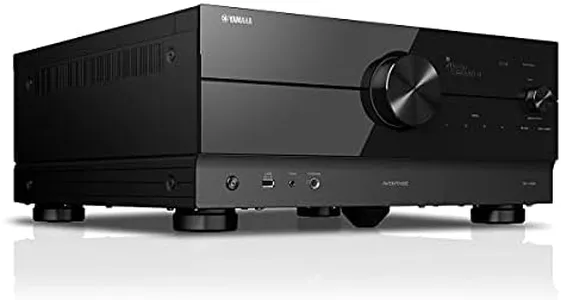
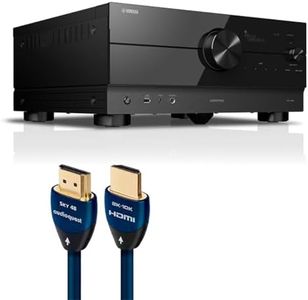
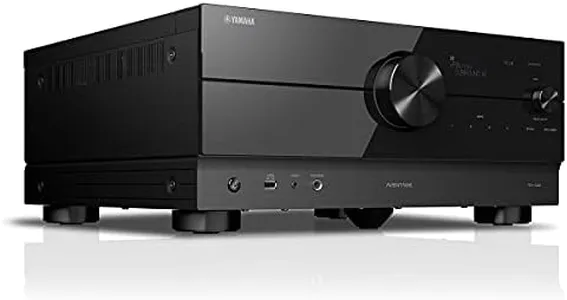
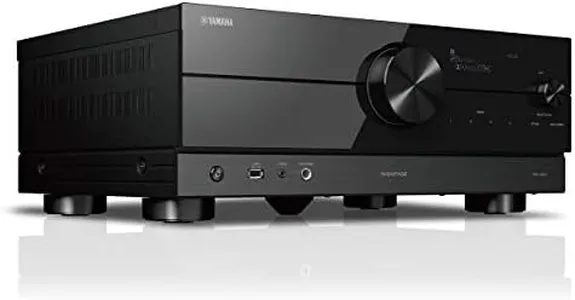
Yamaha RX-A8A AVENTAGE 11.2-Channel AV Receiver - 8K and 4K/120, eARC, Dolby Atmos, DTS:X, Auro-3D, Surround:AI, Wi-Fi, Bluetooth, MusicCast

Rating
10.0
Chosen by1,214
Power Output
Connectivity Options
Audio Formats

Most important from
84 reviews

Power Output
It is a blast to watch movies; the sound is very punchy, especially in the mid bass, and the lower bass is literally room shaking.
Connectivity Options
Poor instructions to connect the sub-woofer.
Audio Formats
The sound is just outstanding, especially with the surround AI feature which makes dialogue more intelligible and creates a wide sound field.
User Interface
The remote is backlit, which is great for usability.

The Yamaha RX-A8A AVENTAGE 11.2-Channel AV Receiver is a feature-rich option for audio enthusiasts looking for a high-performance home theater experience. It boasts an impressive 11.2 channel setup, which supports a powerful and immersive surround sound with formats like Dolby Atmos and DTS:X, enhanced by Yamaha's CINEMA DSP HD3 technology. This makes it a great choice for creating a theater-like experience at home. The receiver also supports 4K and 8K video passthrough, ensuring it is future-proof for modern and upcoming video standards.

The inclusion of HDMI 2.1 and eARC ensures high-quality audio and video signal transmission with minimal lag, which is ideal for gamers and cinephiles alike. Connectivity is a strong suit with multiple HDMI ports (7 in, 3 out), Wi-Fi, Bluetooth, AirPlay 2, and various streaming services like Spotify and TIDAL, allowing for versatile audio sources and multi-room audio options via MusicCast. Voice control compatibility with Amazon Alexa, Siri, and Google Assistant adds a layer of convenience, enabling hands-free operation.

However, the complexity of its features might be a bit overwhelming for beginners, and it requires a good understanding to fully utilize its capabilities. The user interface, while comprehensive, can be challenging to navigate for those not familiar with AV receivers. The unit is also quite heavy, weighing in at 53.8 pounds, which might be a concern for some users when it comes to installation and placement. In summary, the Yamaha RX-A8A AVENTAGE is a high-end AV receiver with robust features and excellent audio performance, best suited for users who are willing to invest time in learning its functionalities to get the most out of their home entertainment system.

Rating
10.0
Chosen by1,214
Power Output
Connectivity Options
Audio Formats

Most important from
84 reviews

Power Output
It is a blast to watch movies; the sound is very punchy, especially in the mid bass, and the lower bass is literally room shaking.
Connectivity Options
Poor instructions to connect the sub-woofer.
Audio Formats
The sound is just outstanding, especially with the surround AI feature which makes dialogue more intelligible and creates a wide sound field.
User Interface
The remote is backlit, which is great for usability.
#2

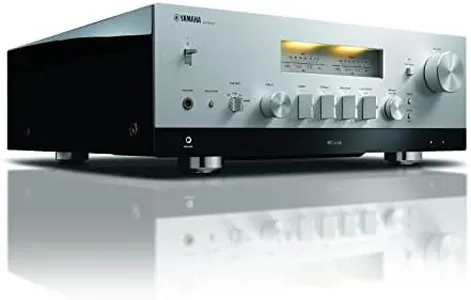
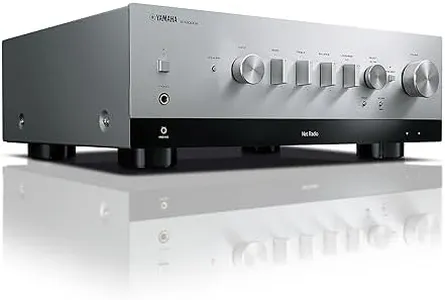
Yamaha R-N800A Network Receiver with Phono and Built-in DAC, Silver

Rating
8.8
Channels
Power Output
Connectivity Options

Most important from
111 reviews

Channels
The amplifier delivers incredibly clean and spacious sound, with instruments distinctly positioned in a vivid 3D soundstage.
Power Output
Power output of 100W per channel is sufficient to drive a full system, including a 12" subwoofer, with balanced and impactful audio.
Connectivity Options
Network connectivity is versatile and convenient, supporting Apple AirPlay, Wi-Fi, Bluetooth, and Ethernet, making streaming effortless and high quality.
Audio Formats
The built-in ESS SABRE DAC and USB DAC input bring out remarkable detail and clarity, especially when streaming high-res files or connecting directly to a computer.
Room Calibration
Yamaha’s YPAO room calibration accurately measures speaker distances and improves sound balance, though some prefer to disable it for a fuller, more original tone at higher volumes.
User Interface
The user interface and phone app are intuitive and provide extensive control options, enhancing the overall user experience.

The Yamaha R-N800A Network Receiver is a solid choice if you want a high-quality stereo experience with modern streaming capabilities. It supports 2.1 channel sound, which means it’s great for rich music playback but less suited for full surround sound home theater setups. One of its biggest strengths is the ESS SABRE ultra DAC, which ensures crisp and clear audio, and it can handle high-resolution files, including DSD and 384 kHz formats, so your music will sound detailed and dynamic. The built-in phono input is a nice touch for vinyl lovers who want to connect their turntable directly.

Connectivity options are versatile, with Wi-Fi, Bluetooth, Ethernet, and multiple HDMI ports, making it easy to connect smartphones, speakers, or other devices. Yamaha’s YPAO-R.S.C. room calibration helps tailor sound to your room’s acoustics, improving listening quality without complicated adjustments. The user interface is designed for convenience with Android control support and built-in multiroom features, although some users might find the setup a bit detailed if they’re new to receivers.

At around 29.8 pounds, it’s a fairly substantial unit, reflecting its solid build. If you want a straightforward, high-quality stereo receiver that handles modern streaming, vinyl, and high-res audio, the R-N800A is a good fit, but if you’re looking for full home theater surround sound, you might want to explore models with more channels.

Rating
8.8
Channels
Power Output
Connectivity Options

Most important from
111 reviews

Channels
The amplifier delivers incredibly clean and spacious sound, with instruments distinctly positioned in a vivid 3D soundstage.
Power Output
Power output of 100W per channel is sufficient to drive a full system, including a 12" subwoofer, with balanced and impactful audio.
Connectivity Options
Network connectivity is versatile and convenient, supporting Apple AirPlay, Wi-Fi, Bluetooth, and Ethernet, making streaming effortless and high quality.
Audio Formats
The built-in ESS SABRE DAC and USB DAC input bring out remarkable detail and clarity, especially when streaming high-res files or connecting directly to a computer.
Room Calibration
Yamaha’s YPAO room calibration accurately measures speaker distances and improves sound balance, though some prefer to disable it for a fuller, more original tone at higher volumes.
User Interface
The user interface and phone app are intuitive and provide extensive control options, enhancing the overall user experience.
#3

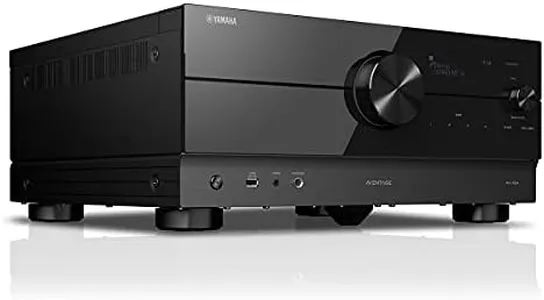
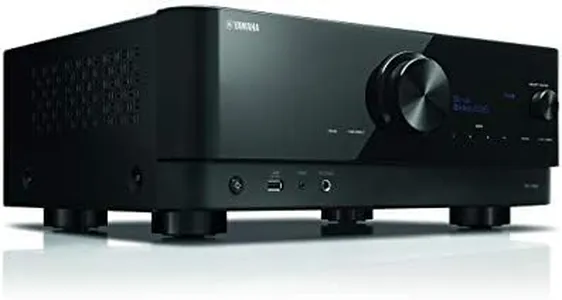
Yamaha RX-A6A AVENTAGE 9.2-Channel AV Receiver – 8K and 4K/120 HDMI, eARC, Dolby Atmos, DTS:X, Auro-3D, Surround:AI, Wi-Fi, Bluetooth, MusicCast

Rating
8.8
Channels
User Interface

Most important from
136 reviews

Channels
Upgrading from a 7.1 to a 9.2 system brings an awesome and big sound experience.
User Interface
Setting up the receiver is straightforward, especially for those familiar with Yamaha products.

The Yamaha RX-A6A AVENTAGE 9.2-Channel AV Receiver stands out in the home audio category with its robust set of features. It supports a 9.2 channel configuration, which means it can power multiple speakers for a comprehensive surround sound experience. With high power output, it can drive even demanding speakers with ease, ensuring clear and powerful audio performance. Connectivity is a strong point, as it includes Wi-Fi, Bluetooth, AirPlay 2, and Spotify Connect, making it easy to stream music from various devices and services.

HDMI support (7 inputs, 3 outputs) with features like HDCP 2.3 and eARC ensures compatibility with the latest video formats, including 4K and 8K resolutions, and HDR10+ for impressive visual quality. Additionally, it supports advanced audio formats like Dolby Atmos and DTS:X, providing immersive sound experiences. The receiver also excels in voice control, compatible with Amazon Alexa, Siri, and Google Assistant, offering hands-free operation. Room calibration tools help optimize audio performance based on your room’s acoustics.

However, the receiver is quite heavy at 41.1 pounds, which might be cumbersome for some users to install or move. It’s also relatively expensive, reflecting its high-end features. The user interface, while feature-rich, could be overwhelming for those not familiar with AV equipment. In summary, the Yamaha RX-A6A is ideal for home theater enthusiasts who seek top-tier performance and are willing to invest in a high-quality audio receiver with extensive connectivity and format support.

Rating
8.8
Channels
User Interface

Most important from
136 reviews

Channels
Upgrading from a 7.1 to a 9.2 system brings an awesome and big sound experience.
User Interface
Setting up the receiver is straightforward, especially for those familiar with Yamaha products.

Buying Guide for the Best Yamaha Audio Receivers

Choosing the right Yamaha audio receiver can significantly enhance your home entertainment experience. To make an informed decision, it's important to understand the key specifications and how they align with your needs. Here are some essential specs to consider when selecting a Yamaha audio receiver.
ChannelsChannels refer to the number of separate audio signals the receiver can process and output. This is important because it determines the surround sound capabilities of your system. Basic models may have 2 channels (stereo), while more advanced models can have 5.1, 7.1, or even 9.2 channels. If you want a simple setup for music, a 2-channel receiver might suffice. For a more immersive home theater experience, consider a receiver with at least 5.1 channels.
Power OutputPower output, measured in watts per channel, indicates how much power the receiver can deliver to your speakers. This is crucial for determining the volume and clarity of the sound. Lower power output (around 50 watts per channel) is suitable for smaller rooms or less demanding setups. Higher power output (100 watts per channel or more) is better for larger rooms or if you want to achieve higher volumes without distortion. Consider the size of your room and your listening habits when choosing the power output.
Connectivity OptionsConnectivity options include the types and number of inputs and outputs available on the receiver. This is important for ensuring compatibility with your other devices, such as TVs, gaming consoles, and media players. Look for HDMI inputs and outputs for modern devices, optical and coaxial inputs for older equipment, and Bluetooth or Wi-Fi for wireless streaming. Assess your current and future device needs to determine the right connectivity options for you.
Audio FormatsAudio formats refer to the types of audio signals the receiver can decode and process. This is important for ensuring you can enjoy the latest surround sound technologies. Common formats include Dolby Digital, DTS, and newer formats like Dolby Atmos and DTS:X. If you want a cutting-edge home theater experience, look for receivers that support the latest audio formats. For simpler setups, basic format support may be sufficient.
Room CalibrationRoom calibration features help optimize the sound quality based on the acoustics of your room. This is important for achieving the best possible audio performance. Many Yamaha receivers come with automatic calibration systems that use a microphone to measure and adjust the sound. If you want a hassle-free setup with optimal sound, look for receivers with advanced room calibration features. If you prefer manual adjustments, this may be less critical.
User InterfaceThe user interface includes the on-screen menus and remote control functionality. This is important for ease of use and overall user experience. A well-designed interface makes it easier to navigate settings and features. Look for receivers with intuitive menus, clear displays, and user-friendly remotes. If you value simplicity and convenience, prioritize models with a good user interface.

FAQ

Most Popular Categories Right Now