10 Best Tankless Hot Water Heaters 2026 in the United States


Related Products
Up to 21% off



Recommended lists
Tankless Water Heaters
Our technology thoroughly searches through the online shopping world, reviewing hundreds of sites. We then process and analyze this information, updating in real-time to bring you the latest top-rated products. This way, you always get the best and most current options available.

Our Top Picks
Winner
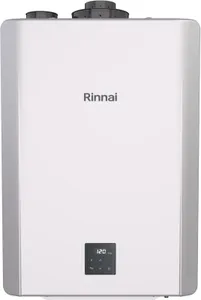
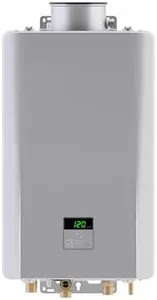
NEW Rinnai RXP199iN Smart Sense Condensing Tankless Water Heater, 199,000 BTU, Up to 11.1 GPM, Natural Gas or Propane, Indoor/Outdoor Installation, Built-In Recirculation Pump
Most important from
119 reviews
The Rinnai RXP199iN is a versatile tankless water heater designed for both indoor and outdoor use, thanks to its Versa Vent system. It runs on either natural gas or propane, which adds flexibility depending on your fuel preference. With a strong flow rate of up to 11.1 gallons per minute, it can supply hot water to around seven fixtures simultaneously, making it suitable for medium to large households. Its energy efficiency is excellent, boasting a UEF (Uniform Energy Factor) of 0.98, which means it uses fuel very efficiently and can help reduce energy bills.
The built-in Smart-Circ recirculation pump is a smart feature that learns your hot water usage patterns and adjusts accordingly, improving efficiency and convenience by reducing wait times for hot water. The water heater is quite compact, about the size of a small suitcase, which helps save space during installation. However, it is fairly heavy at 58 pounds and requires professional installation, which could add to upfront costs. The maximum temperature is 140°F, which fits most household needs. While it offers WiFi connectivity through an optional Control-R module for remote monitoring and control, this is not included and must be purchased separately.
Customer reviews are positive, with a high rating around 4.6 out of 5, reflecting satisfaction with performance and reliability. This Rinnai model is a solid choice for those needing reliable, efficient, and flexible hot water delivery, especially if you want advanced features like smart recirculation and WiFi control. Be prepared for professional installation and consider the additional cost of the WiFi module if desired.
Most important from
119 reviews
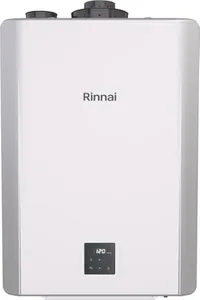
NEW Rinnai RX199iN Condensing Smart Sense Natural Gas or Propane Tankless Water Heater, Indoor or Outdoor Water Heater, Up to 11.1 GPM, 199,000 BTU
Most important from
140 reviews
The Rinnai RX199iN is a powerful tankless water heater that stands out for its impressive flow rate of up to 11.1 gallons per minute, making it suitable for homes with multiple fixtures needing hot water simultaneously. It's designed to operate on either natural gas or propane, giving you flexibility depending on your fuel source. The energy efficiency is top-notch, boasting a UEF rating of .98, which means it uses energy very effectively, potentially saving you on utility bills.
One of the great features is its compact size, comparable to that of a small suitcase, making it easier to fit into various spaces. The Smart Sense gas control system adds convenience, allowing for easier operation. However, the installation of this unit is recommended to be done by a professional. While this ensures safety and proper functionality, it could increase your expenses if you don’t have a technician readily available.
While its high efficiency is a significant advantage, it may not be the best choice for all water temperature needs depending on your region’s groundwater temperature. Additional considerations include the need for the RX-OVC vent cap for outdoor installation, which adds to the installation complexity and cost. Also, the Controlr module for WiFi control is sold separately, which might be a drawback for those looking for smart home integration right out of the box. If you are looking for a tankless heater that offers high performance and efficiency, the Rinnai RX199iN is a strong contender. Just ensure you’re prepared to handle the installation requirements and additional features you may want to consider.
Most important from
140 reviews
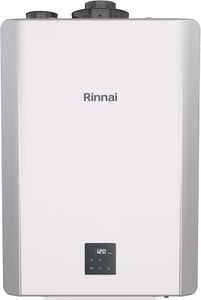
NEW Rinnai RX180iN Condensing Smart Sense Natural Gas or Propane Tankless Water Heater, Indoor or Outdoor Water Heater, Up to 10 GPM, 180,000 BTU
The Rinnai RX180iN tankless water heater is a versatile choice for homeowners needing reliable, on-demand hot water. It offers a solid flow rate of up to 10 gallons per minute, enough to supply hot water to about six fixtures simultaneously, which suits larger households or homes with higher hot water demands. This model runs on either natural gas or propane, providing flexibility depending on your fuel preference or availability. Its energy efficiency is very high, with a UEF rating of 0.98, meaning it wastes very little energy, which can help reduce utility bills over time.
One standout feature is its compact size, roughly the size of a small suitcase, allowing it to be installed indoors or outdoors with the appropriate venting accessory. The installation process is best handled by a professional, ensuring safety and optimal performance. It includes smart features like an easy-to-use control interface and compatibility with WiFi control modules (sold separately), adding convenience and modern control options. Temperature-wise, it can heat water up to 140°F, suitable for most home uses.
The build quality uses durable materials like copper and stainless steel, which supports long-term reliability. The product comes with a strong warranty: 15 years on the heat exchanger and 5 years on parts and labor, as long as you register within 90 days. The need for professional installation may add to upfront costs, and the WiFi control feature requires an additional purchase if desired. It requires a 120-volt power source for its controls, despite not being electric. This unit suits families or users seeking a smart, reliable hot water solution, especially if you want propane or natural gas options and are ready to invest in professional setup.
Buying Guide for the Best Tankless Hot Water Heaters
Choosing the right tankless hot water heater can significantly improve your home's energy efficiency and ensure you have a reliable supply of hot water. Unlike traditional water heaters that store hot water in a tank, tankless models heat water on demand, which can save space and reduce energy costs. To find the best fit for your needs, it's important to understand the key specifications and how they relate to your household's requirements.FAQ
Most Popular Categories Right Now


