We Use CookiesWe use cookies to enhance the security, performance, functionality and for analytical and promotional activities. By continuing to browse this site you are agreeing to our privacy policy

10 Best Tankless Water Heaters 2025 in the United States

How do we rank products for you?

Our technology thoroughly searches through the online shopping world, reviewing hundreds of sites. We then process and analyze this information, updating in real-time to bring you the latest top-rated products. This way, you always get the best and most current options available.

headphones-stars

Our Top Picks

#1

Winner

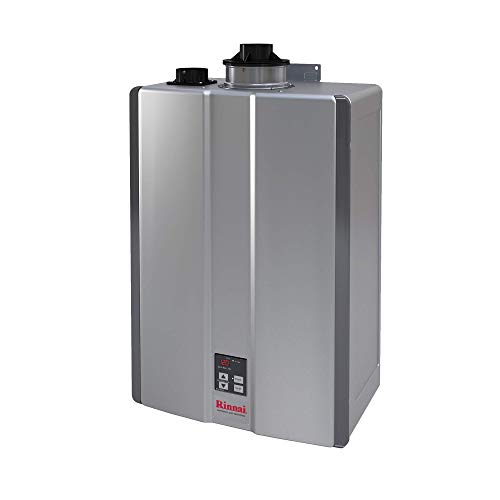
NEW Rinnai RXP199iN Condensing Smart Sense Natural Gas or Propane Tankless Water Heater, Indoor or Outdoor Water Heater, Up to 11.1 GPM, 199,000 BTU, with Recirculation Pump

Rating
10.0
Chosen by1,251
Flow Rate
Energy Efficiency
Fuel Type

Most important from
293 reviews

Flow Rate
Powerful enough to provide hot water simultaneously at four places in a household of five or more.
Energy Efficiency
For maximum energy efficiency, the BLE Bluetooth button accessory is recommended to activate the water recirculation cycle, saving lots of water and energy.
Fuel Type
Supports both natural gas and propane, making it versatile for different household setups.
Size and Installation
Installation is straightforward with the excellent, detailed instruction manual, though pre-planning for mounting location, materials, and electrical service is advised.
Warranty and Support
While the quick start guide can be confusing, the manufacturer's tech support is very helpful for resolving issues.

The Rinnai RXP199iN Condensing Smart Sense Tankless Water Heater offers impressive versatility, operating with either natural gas or propane and being suitable for both indoor and outdoor installations. With a flow rate of up to 11.1 GPM, it can handle multiple fixtures at once, making it ideal for larger households. Its compact size and modern design, which includes features like Quick Flush and Smart-Circ Intelligent Recirculation, enhance its efficiency and user-friendliness.

Additionally, the unit boasts a high energy efficiency factor of 0.98, translating to significant energy savings. The option for WiFi connectivity through the Control-R module adds to its smart appeal, although this module is not included with the water heater. Installation should be performed by a professional, which adds to the initial cost but ensures proper setup and operation. The unit's temperature rise and maximum output of 199,000 BTU make it suitable for demanding environments, but users should ensure their home’s infrastructure supports this capacity.

The warranty and support are implied to be robust through Rinnai's recommendation for professional installation and their central app for service and troubleshooting. This tankless water heater is best suited for those needing a high-performance, energy-efficient solution for a large household.

Rating
10.0
Chosen by1,251
Flow Rate
Energy Efficiency
Fuel Type

Most important from
293 reviews

Flow Rate
Powerful enough to provide hot water simultaneously at four places in a household of five or more.
Energy Efficiency
For maximum energy efficiency, the BLE Bluetooth button accessory is recommended to activate the water recirculation cycle, saving lots of water and energy.
Fuel Type
Supports both natural gas and propane, making it versatile for different household setups.
Size and Installation
Installation is straightforward with the excellent, detailed instruction manual, though pre-planning for mounting location, materials, and electrical service is advised.
Warranty and Support
While the quick start guide can be confusing, the manufacturer's tech support is very helpful for resolving issues.
#2

NEW Rinnai RX180iN Condensing Smart Sense Natural Gas or Propane Tankless Water Heater, Indoor or Outdoor Water Heater, Up to 10 GPM, 180,000 BTU

Rating
9.4
Flow Rate (Gallons Per Minute - GPM)
Energy Source (Gas vs. Electric)
Installation Requirements

Most important from
293 reviews

Flow Rate (Gallons Per Minute - GPM)
Delivers prompt and continuous hot water flow, even when multiple fixtures run simultaneously.
Energy Source (Gas vs. Electric)
Highly efficient and economical to operate, significantly reducing utility costs compared to electric models.
Installation Requirements
Installation is straightforward for those with plumbing knowledge, with simple ventilation adjustments needed.
Size and Dimensions
Saves space compared to traditional tank heaters, freeing up room for other appliances.

The Rinnai RX180iN is a powerful and versatile tankless water heater designed to provide continuous hot water for medium to large households. It delivers up to 10 gallons per minute, which means it can handle multiple fixtures at once, such as showers and sinks running simultaneously. This high flow rate is suitable if you have a busy home or want to avoid running out of hot water during peak times. It runs on natural gas or propane, giving you flexibility depending on your energy source, and it has a very high energy efficiency rating (UEF 0.98), which helps reduce utility costs compared to traditional water heaters. The compact size (about the size of a small suitcase) and indoor or outdoor installation options add convenience, although outdoor installation requires a specific vent cap.

Professional installation is recommended due to the technical nature of gas hookups and venting requirements. Maintenance is made easier with features like a Quick Flush, which helps keep the system clean and running smoothly, though periodic servicing by a technician will still be necessary. The unit operates quietly and includes smart controls compatible with WiFi modules (sold separately), allowing for remote monitoring and adjustments.

The initial cost and installation complexity can be higher than standard tank heaters, and it requires a 120-volt power supply mainly for controls rather than heating. If your home needs a reliable, efficient, and space-saving water heating solution with the ability to supply multiple fixtures simultaneously, the Rinnai RX180iN is an excellent choice.

Rating
9.4
Flow Rate (Gallons Per Minute - GPM)
Energy Source (Gas vs. Electric)
Installation Requirements

Most important from
293 reviews

Flow Rate (Gallons Per Minute - GPM)
Delivers prompt and continuous hot water flow, even when multiple fixtures run simultaneously.
Energy Source (Gas vs. Electric)
Highly efficient and economical to operate, significantly reducing utility costs compared to electric models.
Installation Requirements
Installation is straightforward for those with plumbing knowledge, with simple ventilation adjustments needed.
Size and Dimensions
Saves space compared to traditional tank heaters, freeing up room for other appliances.
#3

Rinnai RE199iP Non-Condensing Propane Tankless Water Heater, Up to 9.8 GPM, Indoor Installation, 199,000 BTU

Rating
8.2
Installation Requirements
Temperature Rise
Size and Dimensions

Most important from
208 reviews

Installation Requirements
Installation is straightforward for those with experience, making setup efficient and hassle-free.
Temperature Rise
The unit operates exceptionally well, delivering reliable hot water with great temperature control.
Size and Dimensions
Its compact design frees up valuable space, enhancing utility in water heater closets.
Flow Rate (Gallons Per Minute - GPM)
High heating capacity and efficient heat transfer make it a powerful choice for larger homes.

The Rinnai RE199iP is a propane-powered tankless water heater designed for indoor use, offering a strong flow rate of up to 9.8 gallons per minute (GPM). This allows it to comfortably supply hot water to multiple fixtures simultaneously, making it ideal for medium to larger homes requiring consistent hot water. Its heating capacity of 199,000 BTU supports a significant temperature rise, suitable for colder groundwater regions. The unit’s compact dimensions, approximately 14 x 27 inches, facilitate convenient wall mounting without occupying much space.

This model features an energy-saving design that heats water only as needed, which helps reduce utility bills. The LED display is user-friendly, providing service reminders and error codes to assist with maintenance. The heater includes substantial warranty coverage, with 15 years on the heat exchanger, enhancing confidence in its durability. It is important to note that it is a non-condensing unit, making it less energy efficient compared to condensing models that recover additional heat from exhaust gases.

Installation requires professional expertise due to its propane fuel source and high BTU output, involving strict safety measures, so it is not suitable for simple DIY setup. While WiFi control capability is supported, the necessary module must be purchased separately, meaning remote monitoring is not available immediately. Maintenance is straightforward with clear guides and professional service options provided by Rinnai. This model is well-suited for users seeking reliable, high-capacity hot water from a compact propane unit and who are prepared to invest in professional installation. For those prioritizing energy efficiency, especially in mild winter regions, considering a condensing model may be beneficial.

Rating
8.2
Installation Requirements
Temperature Rise
Size and Dimensions

Most important from
208 reviews

Installation Requirements
Installation is straightforward for those with experience, making setup efficient and hassle-free.
Temperature Rise
The unit operates exceptionally well, delivering reliable hot water with great temperature control.
Size and Dimensions
Its compact design frees up valuable space, enhancing utility in water heater closets.
Flow Rate (Gallons Per Minute - GPM)
High heating capacity and efficient heat transfer make it a powerful choice for larger homes.

Buying Guide for the Best Tankless Water Heaters

Choosing a tankless water heater can be a smart way to ensure you have hot water on demand without taking up much space or worrying about running out. Unlike traditional heaters with storage tanks, tankless models heat water only when it's needed, making them energy-efficient and generally more durable over time. To find the best fit for your household, it's essential to understand the main specifications and features, as these will directly affect your experience and satisfaction.
Flow Rate (Gallons Per Minute - GPM)Flow rate measures how much hot water the unit can provide at once, typically shown in gallons per minute (GPM). This is important because if the flow rate is too low, you might struggle to use hot water in multiple places at the same time (like a shower and kitchen sink). Lower GPM units (around 2-4 GPM) work well for small households or single fixtures, while larger homes or those who need hot water at several points at once should look at higher GPM units (6+ GPM). To pick the right flow rate, add up the GPM of appliances you normally use together at peak times; choose a model that covers your total need.
Temperature RiseTemperature rise tells you how much a heater can increase the water's temperature as it flows through. This matters because the incoming water is colder in some places or during certain seasons. Units are rated based on how much they can heat the water at a given flow rate. If you live in a colder area, or want extra-hot showers, choose a model that can deliver a higher temperature rise at your required flow rate. Manufacturers often provide charts; match your expected flow and local cold water temperature to select the right fit.
Energy Source (Gas vs. Electric)Tankless water heaters can be powered by natural gas, propane, or electricity. Gas models usually provide higher flow rates and can keep up with larger demand, while electric models are often more compact and easier to install in smaller spaces. The choice comes down to what's available in your home and your hot water use. If you need high capacity or already have a gas line, gas may be better. For smaller needs, or if you want a simpler setup, electric could be the way to go.
Installation RequirementsInstallation involves factors like ventilation for gas models, electrical capacity for electric ones, and space for fitting the unit on a wall. Gas models need proper venting to the outside, which can add to the installation steps, while electric heaters often require an upgraded electrical panel. Consider what's easier and feasible in your home; if your installation location can't easily be adapted, that should guide your choice.
Size and DimensionsWhile tankless heaters are much smaller than traditional tanks, they still come in different sizes. Size affects where you can place your unit, especially if you want to install it in a tight spot, like under a sink or in a closet. Measure your available space and make sure the unit you pick will fit comfortably, including space for any necessary maintenance.
Maintenance NeedsTankless units generally need less day-to-day attention than tanks, but they should still be cleaned (descaled) annually, especially if you have hard water. Some models make this easier than others. If you want minimal hassle, look for units with simple maintenance requirements and easy access for servicing. Think about your ability and willingness to keep up with maintenance when making your choice.

FAQ

Most Popular Categories Right Now