We Use CookiesWe use cookies to enhance the security, performance, functionality and for analytical and promotional activities. By continuing to browse this site you are agreeing to our privacy policy

10 Best Home Flour Mills 2026 in the United States
How do we rank products for you?

Our technology thoroughly searches through the online shopping world, reviewing hundreds of sites. We then process and analyze this information, updating in real-time to bring you the latest top-rated products. This way, you always get the best and most current options available.

headphones-stars

Our Top Picks

#1

Winner

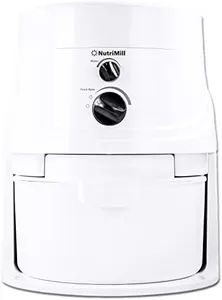
NutriMill Impact Compact High Speed Electric Grain Mill for Fresh Flour Wheat Grinder with Stainless Steel Milling Heads

Rating
10.0
Chosen by1,433
Capacity
Grinding Mechanism
Noise Level

Most important from
127 reviews

Capacity
This mill saves a lot of time by efficiently grinding large quantities of grain into high-quality flour.
Grinding Mechanism
It produces majestic fine to coarse flours, offering versatility for different baking needs.
Noise Level
The grinder is a game changer for home bread makers, quickly milling wheat berries despite some noise.
Ease of Cleaning
Cleaning the top part is challenging and requires a brush to remove flour from tight crevices.

The NutriMill Impact is an electric grain mill designed for home bakers who want fresh, fine-textured flour, especially for bread. It uses a powerful 1200-watt motor paired with impact milling heads to efficiently grind hard grains like wheat into a consistent flour texture. This makes it a good choice for those focused on bread baking. The mill has a large capacity, with an 8-cup hopper for grains and a 12-cup flour canister, allowing you to mill larger batches without frequent refills. Its compact design helps with storage, and the included patented cyclone air filtration system helps maintain performance by keeping airflow steady during milling. Users have praised it for being reliable and effective.

Impact mills tend to produce more heat and noise compared to stone mills, so it might be louder and could slightly affect some delicate grains’ nutritional qualities. Cleaning is relatively easy as the parts nest together, but as with many electric mills, some grain dust can escape during use. The build quality appears solid with stainless steel milling heads and durable materials, suitable for regular use.

If you want a powerful, fast, and user-friendly mill mainly for hard grains and bread flour, the NutriMill Impact is a suitable option. Those looking for quieter operation or milling a wider variety of grains might want to consider their specific needs before purchasing.

Rating
10.0
Chosen by1,433
Capacity
Grinding Mechanism
Noise Level

Most important from
127 reviews

Capacity
This mill saves a lot of time by efficiently grinding large quantities of grain into high-quality flour.
Grinding Mechanism
It produces majestic fine to coarse flours, offering versatility for different baking needs.
Noise Level
The grinder is a game changer for home bread makers, quickly milling wheat berries despite some noise.
Ease of Cleaning
Cleaning the top part is challenging and requires a brush to remove flour from tight crevices.
#2

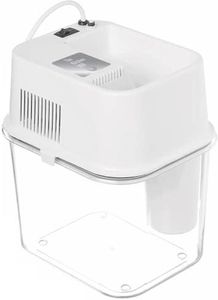
The Kitchen Mill - Electric Grain Mill - High Speed Wheat, Corn, & Grain Grinder, Flour Mill - Assembled in the USA - Stainless Steel Milling Chamber

The Kitchen Mill electric grain mill is a solid choice for anyone wanting to make fresh flour at home quickly. It uses a high-speed 1000-watt motor to grind a variety of grains, including wheat, corn, beans, and soybeans, producing up to 24 cups of flour in under 10 minutes. Its stainless steel milling chamber is designed to avoid jamming or clogging, which helps deliver consistent, nutrient-rich flour.

The mill's compact size and light weight make it easy to store and handle, while the clear mill pan lets you watch the flour as it’s made. Cleaning is straightforward since the milling chamber doesn’t gum up and can be wiped or brushed clean with minimal effort. It’s relatively quiet compared to some other mills, making it suitable for everyday kitchen use. Built mainly from plastic with stainless steel parts, this mill balances durability with a lightweight design, although it might not be as rugged as all-metal mills intended for heavy-duty or commercial use.

The 3.8-pound capacity is decent for most home baking needs, but larger families or frequent bakers might need multiple batches. As a USA-assembled product with a 90-day warranty, it reflects good craftsmanship, though the limited warranty means you should handle it with care. The Kitchen Mill offers a convenient and efficient option for home users who want fresh, homemade flour without complicated setup or heavy maintenance.

#3

NutriMill Classic High Speed Grain Mill, 1200 Watt, 5 Cups Per Minute

Rating
9.4
Type of Mill
Grain Compatibility
Ease of Cleaning

Most important from
1379 reviews

Type of Mill
Much faster and less messy compared to stone mills, though still noisy.
Grain Compatibility
Grinding corn with this mill is far superior, no need for sifting, and it produces fine flour.
Ease of Cleaning
Cleaning requires careful attention to avoid residue, a portable vacuum is ideal for dusting off flour.
Noise Level
Noise level is significant, ear protection recommended, but it reduces noticeably a few feet away.
Durability and Build Quality
Durable plastic parts, confident in long-term use with proper handling.

The NutriMill Classic High Speed Electric Grain Mill is a strong contender in the home flour mill category, especially for those looking to grind wheat and a variety of other grains efficiently. With its powerful 10 amp motor, it can produce fine, medium, or coarse flour at a quick rate of up to 5 cups per minute. This feature makes it suitable for home bakers who need a steady supply of fresh flour. One standout aspect is its advanced technology that minimizes noise by 50%, providing a quieter milling experience. This is a significant advantage for those who may be sensitive to sound or live in shared spaces.

Another benefit is the stainless steel milling heads, which offer a remarkable range of adjustment for flour textures – ten times more than previous models, allowing for versatile usage with different grains. The ability to maintain low temperatures (around 118°F) while milling helps preserve nutrients, making it a healthier option for flour grinding.

There are some areas to consider. The NutriMill Classic, while effective, has a weight of approximately 14 pounds, which may make it less portable for those who need to move it frequently. Additionally, its cleaning process, although manageable, could be a bit tricky due to the design of the milling heads and internal components. Finally, while it caters to a broad range of grains, it may not be ideal for users who want to grind very oily seeds or beans, as this could lead to clogs.

The NutriMill Classic is well-suited for home bakers who value speed, versatility, and nutrient preservation in their flour milling. While it has some minor drawbacks, its pros far outweigh them, making it a solid investment for those serious about their baking.

Rating
9.4
Type of Mill
Grain Compatibility
Ease of Cleaning

Most important from
1379 reviews

Type of Mill
Much faster and less messy compared to stone mills, though still noisy.
Grain Compatibility
Grinding corn with this mill is far superior, no need for sifting, and it produces fine flour.
Ease of Cleaning
Cleaning requires careful attention to avoid residue, a portable vacuum is ideal for dusting off flour.
Noise Level
Noise level is significant, ear protection recommended, but it reduces noticeably a few feet away.
Durability and Build Quality
Durable plastic parts, confident in long-term use with proper handling.

Buying Guide for the Best Home Flour Mills

Choosing the right home flour mill can significantly enhance your baking and cooking experience by providing fresh, high-quality flour. When selecting a flour mill, it's important to consider several key specifications to ensure you get the best fit for your needs. Understanding these specs will help you make an informed decision and find a mill that suits your lifestyle and culinary preferences.
Type of MillThere are two main types of home flour mills: manual and electric. Manual mills require physical effort to grind the grains, making them a good choice if you want a more hands-on experience or if you need a mill that can operate without electricity. Electric mills, on the other hand, are more convenient and efficient, as they can grind larger quantities of grain quickly with minimal effort. Choose a manual mill if you enjoy the process and don't mind the workout, or an electric mill if you prefer speed and ease of use.
Grinding MechanismThe grinding mechanism is the part of the mill that actually grinds the grain. Common mechanisms include burrs and impact mills. Burr mills use two grinding plates to crush the grain, which can be adjusted to produce different textures of flour. Impact mills use high-speed blades to pulverize the grain into fine flour. Burr mills are generally quieter and can produce a wider range of textures, making them ideal for bakers who need versatility. Impact mills are faster and can produce very fine flour, which is great for those who primarily bake bread or pastries.
Grain CompatibilityNot all flour mills can handle every type of grain. Some mills are designed to grind only certain grains, such as wheat, while others can handle a variety of grains, including corn, rice, and even beans. It's important to consider what types of grains you plan to grind and ensure the mill you choose is compatible with them. If you plan to experiment with different grains, look for a versatile mill that can handle a wide range of ingredients.
CapacityCapacity refers to the amount of grain the mill can process at one time. This can range from small mills that handle a few cups of grain to larger models that can process several pounds. If you bake frequently or in large quantities, a mill with a higher capacity will save you time and effort. For occasional use or smaller batches, a mill with a lower capacity may be sufficient.
Ease of CleaningKeeping your flour mill clean is essential for maintaining its performance and ensuring the quality of your flour. Some mills are easier to disassemble and clean than others. Look for a mill with removable parts and simple cleaning instructions. If you plan to use your mill frequently, ease of cleaning will be an important factor to consider to ensure it remains in good working condition.
Noise LevelElectric flour mills can be quite noisy, which may be a concern if you have a quiet household or sensitive ears. Manual mills are generally quieter but require more effort to use. If noise is a significant factor for you, look for mills that are specifically designed to operate quietly or consider a manual mill if you don't mind the extra work.
Durability and Build QualityA well-built flour mill will last longer and perform better over time. Look for mills made from high-quality materials such as stainless steel or heavy-duty plastic. Check for reviews and ratings to get an idea of the mill's durability and reliability. Investing in a durable mill will save you money in the long run and ensure you have a reliable tool for years to come.

FAQ

Most Popular Categories Right Now